
Picture this: you’re staring at the same email for the third time, rereading the words but not absorbing them. You care, but your brain feels like a browser with 47 tabs open—spinning, loud, and weirdly slow.
Most people blame workload. Here’s the twist—burnout isn’t just about hours. Chronic stress can shift how your brain fires, pushing you into survival mode even when you’re sitting at your desk with a latte. That’s why rest alone doesn’t always “fix” it.
The good news: there are science-aligned ways to recalibrate—small, repeatable moves that rebuild energy, agency, and meaning without needing a month-long sabbatical.
- Burnout is a brain-body shift, not a personal failure—survival circuits get loud while planning circuits go quiet.
- Recovery is two-lane: change what you can system-wise, and train skills (like psychological flexibility) that buffer stress.
- ACT and Compassion-Focused practices may help restore clarity, values, and self-kindness when motivation is flat.
- Online therapy and social support can be effective, accessible ways to get momentum without disrupting your week.
- Counterintuitive: You don’t have to feel motivated first—tiny “values-first” actions can create motivation afterward.
Your Brain on Burnout: Survival Mode Isn’t Laziness
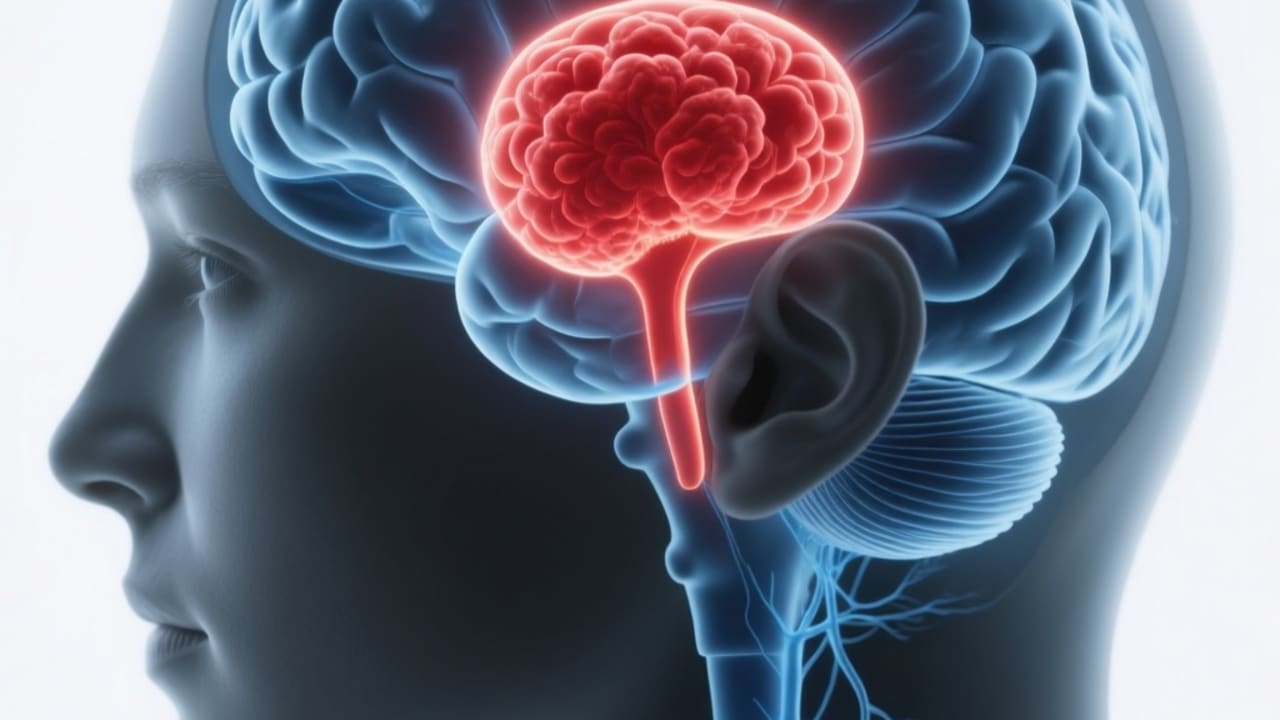
When stress is prolonged, the brain’s alarm system can hijack your day. Think of your amygdala as a smoke alarm—useful in short bursts, overwhelming when it won’t switch off. Meanwhile, the prefrontal cortex—the part that helps you plan, prioritize, and regulate emotions—can go a bit quiet.
News-Medical’s reporting on burnout notes this imbalance leaves people “stuck in survival mode,” replaying the past or catastrophizing the future, which explains the fog, the snap reactions, and the decision fatigue you feel when you’re otherwise “just at work.” Acceptance and Commitment Therapy (ACT) and Compassion-Focused Therapy (CFT) are highlighted as ways to restore flexibility and calm those alarms (News‑Medical, 2026).
Analogy time: it’s like driving with your emergency brake on. You can move, but everything takes more fuel. The goal isn’t to push harder—it’s to release the brake.
It’s Not All on You: Systems Matter—And So Does Hope
Burnout doesn’t happen in a vacuum. Workload, role clarity, fairness, and culture all contribute. A 2025 editorial in Scientific Reports synthesizing new burnout research emphasized both systemic drivers and individual buffers—like optimism, humor, and especially hope and self‑efficacy—as meaningful protectors against exhaustion and cynicism (Scientific Reports, 2025).
Hope here isn’t fluffy. It’s the belief you can find pathways to your goals—and the motivation to try. The editorial highlights data showing that hope and self‑efficacy can mediate the link between stress and burnout, suggesting that building these skills may lighten the load even if your calendar doesn’t change overnight.
Picture your week like a hiking trail. System fixes clear rocks from the path. Hope and skills are your boots and water—still vital while the trail crew works.
What Actually Helps: ACT and Compassion in Real Life
ACT builds psychological flexibility—the capacity to make room for tough thoughts and feelings while taking small steps toward what matters. CFT trains your “soothing” system, balancing the brain’s threat and drive circuits with warmth instead of self‑criticism. News‑Medical’s feature on burnout describes both as credible ways to recalibrate attention, meaning, and agency when stress has narrowed your world (News‑Medical, 2026).
A practical ACT micro‑move: name your thought (“I’m having the thought I’m failing”), notice your feeling (“tightness in my chest”), then pick one values‑aligned action you can do in two minutes—send the draft, ask for clarity, or step outside for 10 breaths. It’s GPS recalibration, not a full‑engine rebuild.
With CFT, try “soothing‑rhythm” breathing and a kinder inner voice—as if talking to a close friend. Many people find that this reduces self‑attack, which often fuels exhaustion. These skills don’t erase problems; they widen your choices in the moment.

Support That Fits Real Schedules: Online Therapy, Peers, Micro‑Boundaries
If commuting to weekly therapy feels impossible, good news: online options are increasingly effective and scalable. BetterHelp’s summary of recent research notes that digital interventions have been associated with reduced stress and improvements in anxiety and mood, with the advantage of broad access and lower cost compared to in‑person care (BetterHelp, citing an online intervention study).
The American Psychiatric Association also underscores that while systems matter, reclaiming agency—even in small ways—protects well‑being. Their clinicians describe how unchecked burnout can erode meaning and identity, and argue for proactive skills plus realistic boundaries (APA blog, 2024).
Think of social support as a portable charger for your nervous system. A quick voice note to a friend, a peer debrief after a tough call, or a short manager check‑in can add watts back to a low battery—fast, not perfect, but enough to get you through the afternoon.
Why This Matters
Burnout steals the moments you care about most—your kid’s bedtime story, the workout that usually resets you, the patience you want to bring to your team. When survival mode runs the show, everything shrinks: attention, joy, options. The point of “recovery” isn’t to become frictionless—it’s to get back enough clarity and energy to choose your next right step.
You don’t have to wait for motivation. Tiny, values‑first actions can generate it.
And because systems are slow to change, skills you can practice today—breathwork, diffusion, self‑compassion, peer support—are not a consolation prize. They’re leverage while you advocate for the bigger fixes.
What You Can Do Today
- Try 60 seconds of soothing‑rhythm breathing. Inhale 4, exhale 6, repeat 8–10 times. Research and clinician reports suggest slower exhales may nudge your nervous system toward calm.
- Use an ACT “two‑minute value” move. Identify one value (e.g., clarity, kindness), then take a tiny step aligned with it—send a clarifying message, tidy your workspace, or drink water. Small moves often restore momentum.
- Practice self‑talk that’s helpful, not harsh. CFT suggests swapping “What’s wrong with me?” for “This is hard—what would help right now?” Many people find this reduces threat and rumination.
- Schedule one structured support. Book an online session, join a peer check‑in, or text a friend a quick voice note. Social support may buffer stress and is easier to stick with when it’s on the calendar.
- Set one micro‑boundary. Examples: “No Slack on my phone,” “15‑minute calendar buffer after meetings,” or “Heads‑down 25 minutes, then 5‑minute walk.” Boundaries don’t need to be dramatic to help.
- Talk to a professional if symptoms persist or worsen. A licensed clinician can help tailor ACT/CFT‑informed strategies and assess for conditions that can overlap with burnout. If you have thoughts of harming yourself or others, seek urgent support.
Burnout recovery is less about heroic willpower and more about consistent, compassionate reps. Share this with someone who’s running on empty—you might be their first “charger” today.
Frequently Asked Questions
They can overlap—both may include low mood, fatigue, and reduced interest. Burnout is often tied to chronic stressors at work or caregiving, while depression shows up across contexts. If you’re unsure, a licensed clinician can help differentiate and suggest next steps.
They may still help by improving psychological flexibility, emotion regulation, and self‑compassion—skills that can reduce distress and clarify choices. Many people use them while also advocating for system changes.
For many stress‑related concerns, research suggests digital interventions can reduce symptoms and improve access. If privacy, tech, or rapport are concerns, discuss options and try a format that fits your needs.