You cleaned up your meals, hit your steps, maybe even logged macros—yet the scale barely nudges. Before you blame “low willpower,” look at your nights. Short sleep quietly turns up hunger, stores more fat, and frays self-control the very next day.
Here’s the thing: after just two nights of four hours in bed, hunger hormone ghrelin can jump around 28% while leptin (your fullness signal) drops about 18%. That’s not a mindset issue—it’s biology making snacks louder and portion control harder. Pair that with elevated cortisol, and your body gets better at saving fat—especially around the middle.
- Short sleep raises cortisol, which may nudge the body to store more abdominal fat.
- Ghrelin up, leptin down: even 1–2 short nights can spike hunger and blunt fullness.
- Sleep loss changes what you crave—more ultra‑palatable, high‑calorie foods.
- Counterintuitive: Sleeping longer can reduce calorie intake without “trying.”
- Aim for 7–9 hours most nights; small, consistent changes may help metabolism.
The Cortisol Connection: Why Short Nights Store Fat
Most people blame late‑night pizza. But the real driver may be cortisol—the stress hormone that naturally peaks in the morning and falls at night. When you cut sleep, that curve can flatten and shift later into the day, which may encourage fat storage and crank up evening alertness when your body should be winding down.
A 2015 review on sleep, stress, and metabolism reported that repeated short nights can raise afternoon and evening cortisol in healthy adults—exactly when it should be tapering. Researchers have also linked higher cortisol with more central (abdominal) fat, which is metabolically active and tied to insulin resistance. Picture this: you’re exhausted at 9 pm, wired at 11, and craving something salty-sweet. That’s not just habit; it’s hormones shifting the goalposts.
Because cortisol also interacts with glucose regulation, chronically short sleep doesn’t just feel stressful—it may quietly make fat loss tougher and blood sugar swings easier. Worth addressing before you overhaul your diet again.
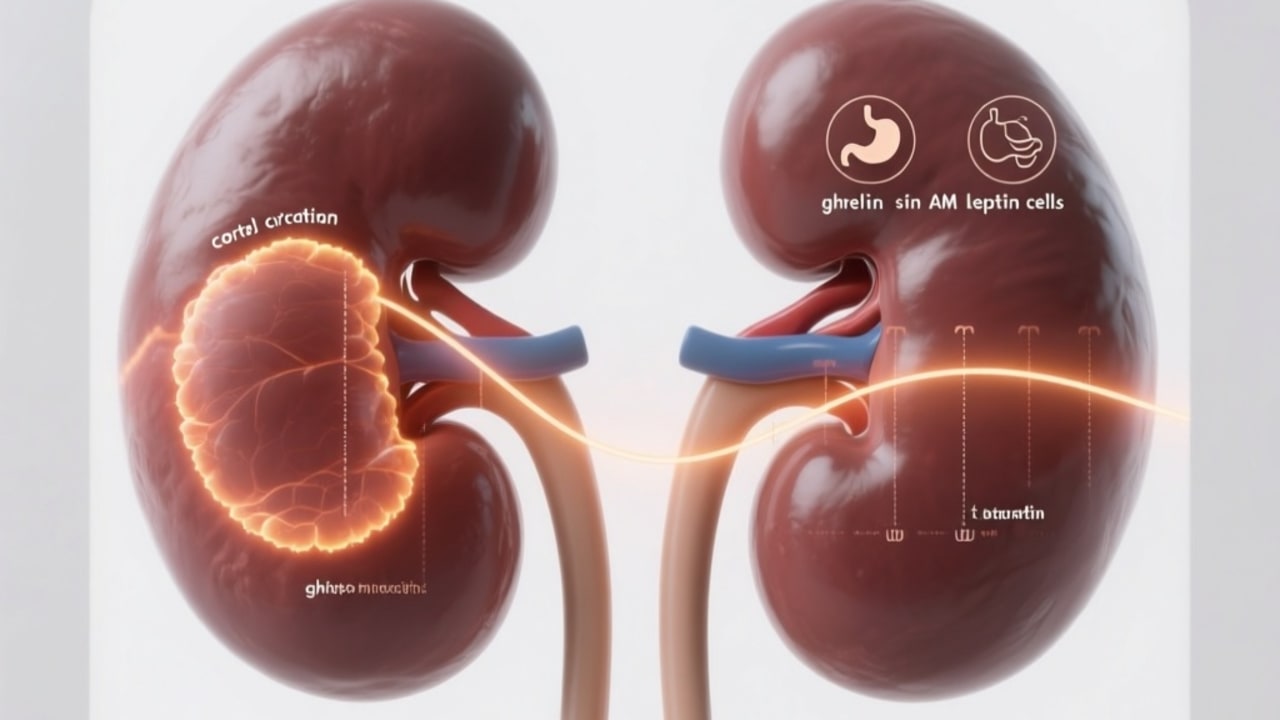
Hunger Hormones Flip: Ghrelin Up, Leptin Down
You know that feeling when breakfast doesn’t touch the sides? Sleep restriction can do that. In a well‑cited study led by researchers at the University of Chicago, just two nights of four hours in bed raised ghrelin about 28% and lowered leptin roughly 18%, intensifying hunger and reducing satiety the next day. That helps explain why portion sizes feel stingy after a rough week.
Another layer: sleep loss sensitizes brain reward pathways. Food looks better. Smells stronger. A neurologist writing on this cycle points out that elevated cortisol and disrupted appetite signals together push cravings toward energy‑dense foods. Translation: the office donut becomes a siren song, not a test of character.
And it happens fast. Even a single short night can tilt hunger and reward, which—if repeated—may add up over weeks.
Metabolism, Muscles, and Midnight Cravings
Sleep shapes what fuel your body burns. In a randomized trial, dieters allowed only 5.5 hours in bed for two weeks lost less fat and more lean mass than those with 8.5 hours—despite the same calorie target. That’s a nasty trade‑off if you’re working hard in the gym and want to keep muscle.
Sleep loss also tweaks your “snack chemistry.” A 2016 paper in the journal Sleep found that short sleep increased daytime levels of the endocannabinoid 2‑AG, which was associated with stronger desire for palatable snacks—especially in the late afternoon and evening. Picture yourself circling the pantry at 4 pm; your biochemistry may be quietly steering the cart.
On top of that, insufficient sleep can impair insulin sensitivity within days, making it harder for cells to handle glucose efficiently. Over time, that pattern is linked with higher risk for weight gain and type 2 diabetes. It’s not just tired eyes—it’s a tired metabolism.

Break the Loop: Small Sleep Gains Pay Off
Here’s what’s surprising: you don’t need a perfect bedtime routine to see benefits. A 2022 randomized clinical trial in JAMA Internal Medicine found that extending sleep by roughly one hour in short‑sleeping adults led to an average reduction of about 270 calories per day—without a prescribed diet. More sleep, fewer calories, less effort.
That said, the win comes from consistency. Think of sleep like a savings account: small deposits, compounded nightly, reshape hunger, stress, and energy over weeks—not just one weekend of “catch‑up.”
Why This Matters
This isn’t about perfection or waking up at 5 am to biohack your life. It’s about making weight loss feel less like a fight. When sleep supports your hormones, willpower isn’t carrying the whole load—and your morning oatmeal finally keeps you full till lunch.
“Most people don’t have a motivation problem—they have a sleep problem their hormones can’t outrun.”
Better sleep won’t replace nutritious food or movement. But it can make those choices feel easier and more sustainable—like turning the treadmill incline down from 10 to 3.
What You Can Do Today
- Pick a realistic sleep window (7–9 hours for most adults) and protect it 4–5 nights this week. Research suggests consistency may help cortisol and appetite signals steady.
- Anchor your body clock with morning light: 5–10 minutes outdoors within an hour of waking may strengthen your sleep-wake rhythm and support evening melatonin.
- Create a 60–90 minute wind‑down: dim lights, cooler room (60–67°F), quiet routine (reading, stretching, or a warm shower). This may help cortisol drift down when it matters.
- Caffeine and alcohol timing: try your last coffee 8–10 hours before bed; keep alcohol earlier and lighter. Both can disrupt sleep depth and next‑day appetite control.
- If snoring is loud or you’re still exhausted, consider discussing screening for sleep apnea with a clinician. Treating it may improve energy, cravings, and weight management.
Good sleep won’t “melt fat,” but it can unjam the gears—quiet cravings, steady energy, and help your nutrition efforts finally click. If this helped, share it with the friend who’s “doing everything right” except sleeping.
Frequently Asked Questions
Most adults do best with 7–9 hours. Research suggests that consistent, sufficient sleep may reduce hunger, improve insulin sensitivity, and support better food choices. Aim for a steady sleep window most nights.
Catch‑up sleep may help you feel better short‑term, but it doesn’t fully reverse hormonal and metabolic effects of weekday restriction. Small, consistent improvements across the week tend to work better.
Melatonin isn’t a weight‑loss aid. For some people it can help with sleep timing, but it may not improve sleep quality or address root causes. Consider sleep habits first and talk to a clinician if you rely on supplements.