
If your anxiety plan still looks like “white‑knuckle through it, maybe try a new app,” you’re missing what’s shifting under our feet. Anxiety care is moving from one‑size‑fits‑all to precision — guided by neuroscience, data, and a more honest look at how the body and brain talk to each other.
Here’s the thing: people want this. The American Psychiatric Association reported more Americans planning mental health resolutions heading into 2026, especially younger adults — leaning into basics like movement, sleep, mindfulness, and therapy. At the same time, anxiety is still everywhere: finances, uncertainty about the year ahead, relentless news cycles. So what actually changes the Tuesday morning spiral? Let’s get practical, and yes, evidence‑based.
The new tools: from psychedelics to nerve signals
Picture this: you’re in a clinic room, eyeshades on, a trained clinician nearby. One carefully dosed session — not a lifetime of daily pills — aims to loosen anxiety’s grip. That’s the premise behind psychedelic‑assisted treatments now moving through late‑stage research. In late 2025, a Phase 2b trial published in JAMA reported that a single dose of MM120, a pharmaceutical form of LSD, significantly reduced symptoms in adults with moderate to severe generalized anxiety disorder. It’s not approval; it’s a signal. And a strong one.
On a very different track, clinicians are revisiting a technology that quietly predates the iPhone: vagus nerve stimulation (VNS). An implant sends tiny electrical pulses to a nerve that links your brain to organs like the heart and gut — the same circuit anxiety often hijacks. VNS has FDA clearance for certain conditions and has been around for nearly two decades, but insurance coverage has been spotty. New trials in 2026 could improve access. There are also noninvasive versions (ear‑ or neck‑based) under study that don’t require surgery, though evidence is still emerging.
What’s surprising is how these approaches intersect. Psychedelic‑assisted care seems to heighten brain “plasticity” — the ability to update entrenched fear loops — while VNS may nudge the body’s threat‑calming circuitry. Different levers, same goal: reduce the mismatch between perceived danger and what’s actually happening.
Because safety matters, a reality check: none of this replaces proven options like cognitive behavioral therapy, SSRIs/SNRIs, exposure therapy, or lifestyle measures. But if standard care hasn’t moved the needle, it’s worth knowing what’s incoming — and where to ask thoughtful questions.
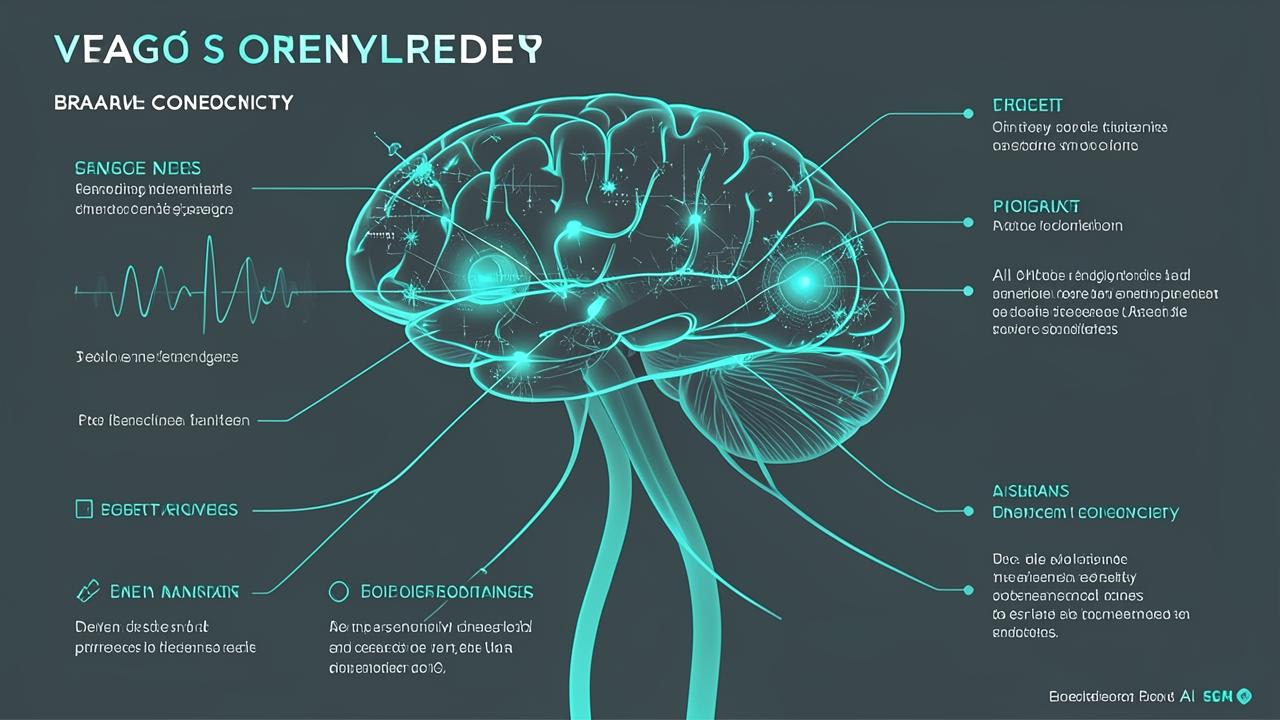
AI and wearables: anxiety care gets personal
Most people have been there — you wake already tense, can’t say why, and by lunch you’re doom‑scrolling and skipping the walk that would’ve helped. Now imagine your phone nudges you at 9:30 a.m.: “Last night’s sleep and heart‑rate variability suggest you’re at higher stress risk today. Ten minutes outside?” That’s not sci‑fi. Clinical researchers in 2025 accelerated remote monitoring — using phones and wearables to track mood, sleep, activity, and even subtle voice or typing patterns — and fed those signals into AI models to spot early shifts before symptoms blow up.
In trials, AI helped flag who was likely responding (or not) to treatment weeks earlier than a clinic visit would show, letting clinicians pivot sooner. For real life, it means we’re edging toward “just‑in‑time” care: nudges or brief exercises tailored to your patterns, not generic advice shouted into the void. The caveat is obvious — privacy. Choose tools that let you keep data local or share only with your clinician, and read permissions like you would a lease.
Anxiety treatment is shifting from “wait and see” to “see and adjust” — guided by your actual patterns, not guesswork.
But what does this mean for your Tuesday morning? That the “check engine” light for your nervous system may soon live on your wrist. And when it flickers, you’ll have a playbook ready — not three browser tabs deep in conflicting advice.
Precision psychiatry: your biology, your plan
The most consequential shift may be philosophical: a move toward precision psychiatry that accounts for genetics, inflammation, metabolic health, nutrition, and gut‑brain cross‑talk — not just symptoms in isolation. In 2025, leaders in functional and precision psychiatry called it a tipping point: higher‑quality research is now informing how biology contributes to conditions like anxiety and depression, and clinicians are paying attention.
You know that feeling when you’re inexplicably edgy after too little sleep, a skipped meal, or three coffees on an empty stomach? That’s your physiology whispering (or shouting) at your psychology. Emerging evidence links insulin resistance, micronutrient deficiencies (think iron or B12), thyroid shifts, low‑grade inflammation, and even gut dysbiosis to mood and anxiety symptoms in some people. That doesn’t mean supplements over therapy; it means therapy lands better when the body isn’t throwing sparks.
Practically, more clinicians are ordering targeted labs to rule out mimics or amplifiers of anxiety, personalizing nutrition, and coordinating with sleep and primary‑care teams. And because patients are asking smarter questions — about side effects, taper plans, and long‑term strategies — the care gets better. The public’s ahead of the system here, pushing for integrative, evidence‑based care that treats the whole person.

What to ask (and try) right now
Bring this to your next appointment
- “What are my best‑supported first‑line options, and how will we measure response by week 2–4?”
- “If I don’t respond, what’s our step‑up plan — different therapy style, medication class, or combo?”
- “Could any medical factors be amplifying my anxiety? Should we screen for sleep apnea, thyroid issues, anemia, or B12 deficiency?”
- “Are there clinical trials locally for anxiety (including psychedelic‑assisted or neuromodulation) that might fit me?”
- “Can we use simple tracking — sleep, steps, mood check‑ins — to adjust care between visits?”
Evidence‑anchored daily moves
- Protect sleep like medicine: regular bed/wake times and morning light within an hour of waking.
- Move most days: brisk walking or cycling 20–30 minutes, plus two short strength sessions weekly. Anxiety loves a still body.
- Mindfulness, brief and consistent: 8–10 minutes of breath‑focused practice or body scan. Small doses add up.
- Eat for steady energy: protein at breakfast, fiber and healthy fats, limit “caffeine‑then‑crash” loops.
- Nature time: even 10 minutes outdoors reduces stress markers in many studies — and feels doable.
- Track one thing: choose sleep or daily steps or a 0–10 anxiety check‑in. Don’t track everything; track something you’ll use.
And a note on the splashy stuff: psychedelic‑assisted care and VNS are promising for specific groups and are delivered by trained teams within trials or specialized clinics. They’re not self‑experiments. If you’re curious, talk to a clinician you trust and check registries like ClinicalTrials.gov for legitimate options.
Actionable takeaway
Anxiety care is getting smarter and more personal. Pair fundamentals you control (sleep, movement, light, nutrition, mindfulness, time in nature) with measurement (a simple tracker and symptom check‑ins). Ask your clinician to set early indicators of response and a Plan B. If standard care isn’t cutting it, explore vetted options: trials of psychedelic‑assisted therapy, neuromodulation like VNS, or integrative assessments that check for metabolic and inflammatory contributors. The goal isn’t perfection — it’s fewer bad days, faster course‑corrections, and a plan that fits your life.
Most of us don’t need the entire toolbox, all at once. We need the right tool, at the right time — with a human who listens. That’s the rewrite anxiety care is promising in 2026. And it’s already started.