
Anxiety used to sound like one problem with a dozen names. Now it looks more like a network — nerves, hormones, habits, and even your gut — all talking at once. The new twist? We’re finally learning how to listen to the right signals, and in some cases, how to change the conversation.
In 2025 alone, researchers showed that smartphone sensors plus language models could track and predict mood symptoms in teens; that personalized deep-brain stimulation rapidly eased severe OCD; and that a single dose of a pharmaceutical form of LSD (MM120) reduced symptoms in adults with generalized anxiety in a Phase 2b trial in JAMA. Add mounting evidence for the gut-brain stress link and renewed interest in vagus-nerve interventions, and the field feels less like guesswork and more like engineering — with a healthy respect for nuance.
Your anxiety is a brain–body loop
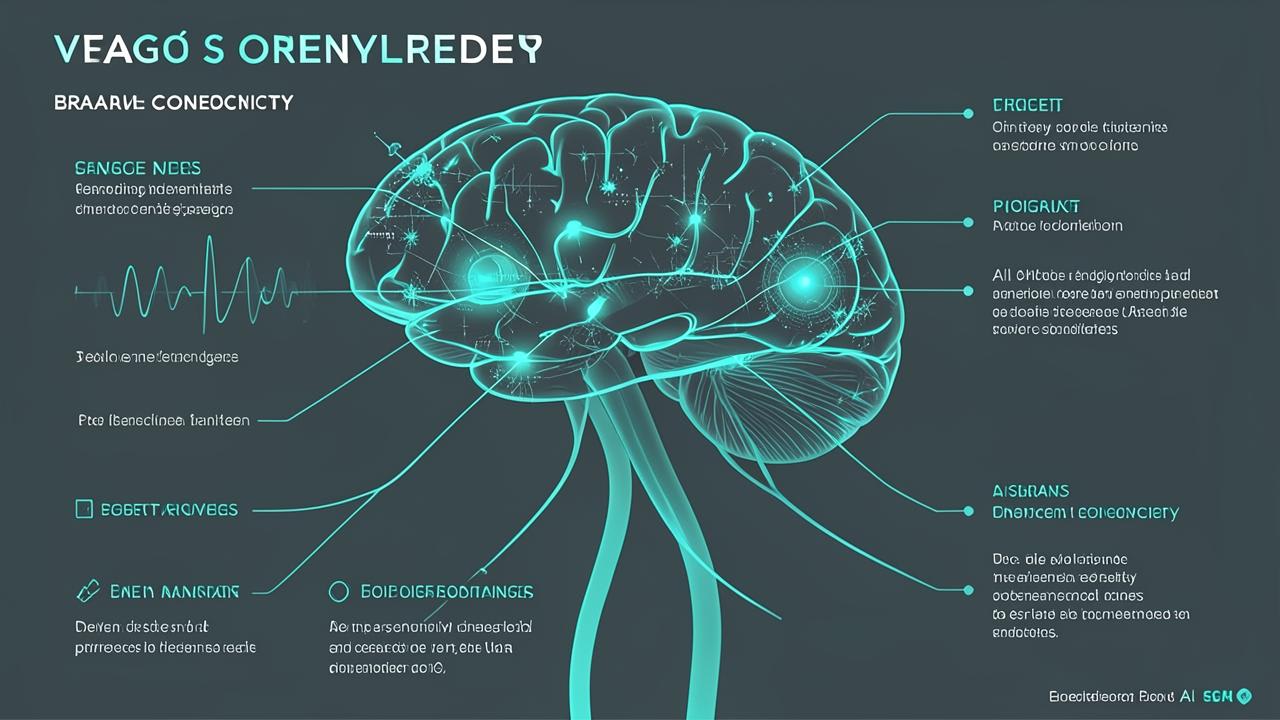
Picture this: your calendar pings three times before 9 a.m., your stomach tightens, and your heart rate bumps. That knot in your gut isn’t random — it’s the gut–brain axis doing its job a little too well. Stress hormones change gut motility and the microbiome’s chemistry; the vagus nerve ferries that status report straight back to your brain. It’s a loop, not a one-way street.
Recent lab work in 2025 highlighted how chronic stress can disrupt gut barriers and fuel inflammation, which can, in turn, amplify anxiety-like behaviors in animals. Clinical translation is ongoing, but the direction is clear: tending your physiology helps quiet your psychology (and vice versa). Vagus-nerve stimulation (VNS) — an implant sending tiny pulses to the nerve that links your brain to organs — has been FDA-cleared for years in specific conditions, and new trials may expand access and coverage. Noninvasive strategies that nudge vagal tone, like paced breathing and light aerobic movement, are low-risk ways to tap the same highway.
Anxiety isn’t “all in your head” — it’s in your nerves, gut, and habits. Each is a lever science is learning to adjust.
The new tools: from sensors to circuits
What if your phone could flag a rough week before you felt it? A 2025 project reported by the Brain & Behavior Research Foundation described how passive smartphone data (think movement, sleep timing, social patterns) plus language models accurately tracked and predicted anhedonia in adolescents, published in NPP—Digital Psychiatry and Neuroscience. It’s early, but the promise is targeted care at the right moment — like a weather alert for your mind.
On the other end of the spectrum, personalized deep-brain stimulation (DBS) mapped to an individual’s symptom circuits produced rapid improvement in severe OCD in a 2025 Translational Psychiatry report from UCSF investigators. That’s not Tuesday-afternoon stuff; it’s complex neurosurgery for the hardest cases. But it underscores a truth a 2024–2025 neuroscience review also emphasized: symptoms live in networks, not single spots. Tailor the circuit, change the experience.
Between those poles sits VNS and a growing class of wearables measuring heart-rate variability, sleep, and stress proxies. Used thoughtfully — ideally alongside therapy — they can help you notice what your nervous system already knows: that three coffees, six notifications, and five hours of sleep are not a neutral baseline.
Psychedelics, music, and next‑gen medicines
Here’s the thing about the psychedelic headlines: they’re hopeful and they’re bounded. The JAMA trial signals potential for carefully selected patients in supervised settings. That doesn’t translate to self-medicating. Legal access, screening, and structured therapy matter because set, setting, and integration are part of the mechanism, not just the vibes.
At the preclinical level, compounds targeting delta opioid receptors (like KNT‑127) reduced anxiety-like behaviors in stressed mice in 2025 reports, hinting at a future class of treatments with fewer side effects than current options — though animal success often stalls in humans. And on the gentler end, a Minzu University study found that music exposure could blunt the development of anxiety- and depression-like behaviors in animal models. Not exactly news if you’ve ever felt your shoulders drop during your favorite song, but it’s validating biology for a time-honored practice.
Most people have been there — you cue a low-stakes playlist to get through inbox triage and realize your breath has slowed. That’s not placebo; rhythmic auditory stimulation can synchronize breathing and heart patterns, nudging your autonomic system toward calm. It’s not a cure, but it is a reliable dial you can turn.
Safety, legality, and what to skip
If you’re curious about psychedelic-assisted therapy, stay within clinical trials or regulated medical programs where available, given variable legality and the need for medical screening (especially for individuals with psychosis risk or certain cardiac conditions). Avoid combining unregulated substances with prescription meds. When in doubt, talk to a licensed clinician.
What this means for your Tuesday
Because anxiety is a loop, small inputs compound. The goal isn’t perfection; it’s nudging the system toward safety signals your brain believes. You know that feeling when a single deep breath in a quiet room makes everything 10% more doable? That’s the window we can widen.
Science-aligned habits that pull real levers
- Breathe to pace your vagus. Try 5 minutes of 4‑second inhales, 6‑second exhales (about 6 breaths/min). This boosts heart‑rate variability — a proxy for flexible stress responses.
- Move, even a little. 20–30 minutes of light-to-moderate activity (a brisk walk, gentle cycling) lowers baseline arousal and steadies sleep architecture. Consistency beats intensity.
- Feed the axis. Aim for fiber (beans, whole grains, vegetables), polyphenols (berries, olive oil), and fermented foods if tolerated. Your microbiome dishes signals to your brain; give it better ingredients.
- Use music as a switch. Build two playlists: one for downshifting (60–80 BPM, steady), one for focus (familiar, mid‑tempo). Headphones on, shoulders down, breath slower.
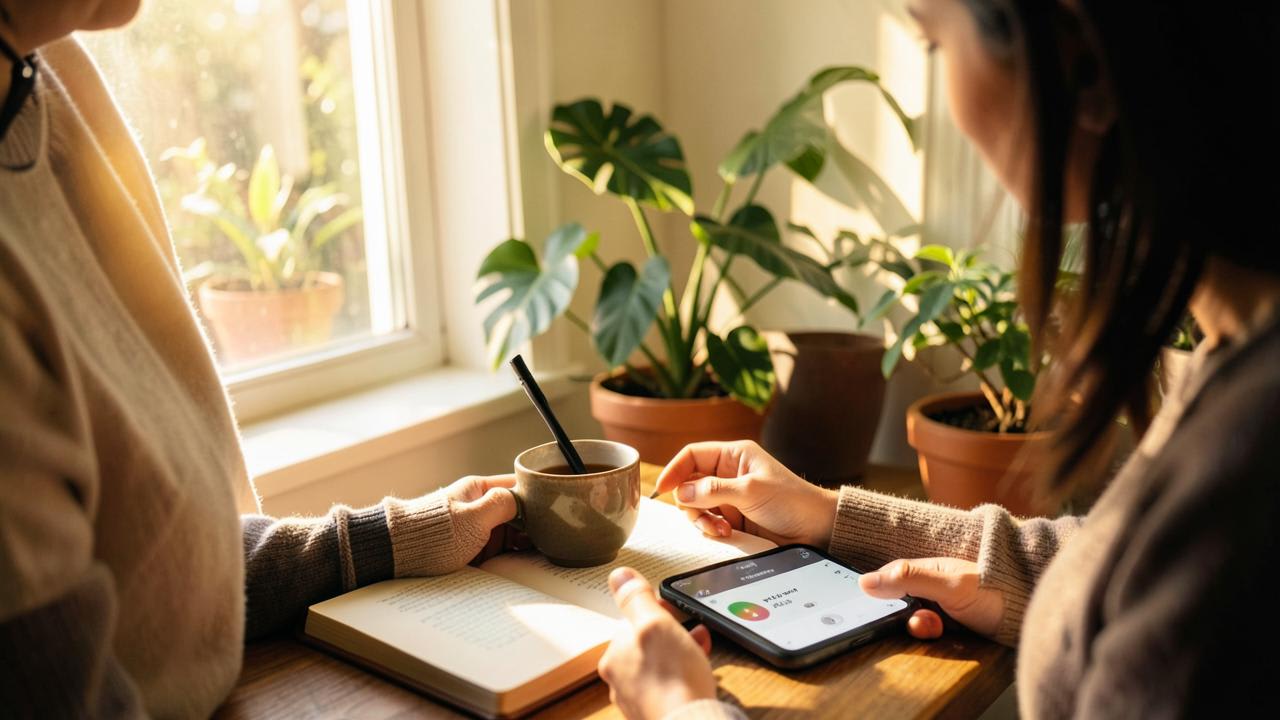
- Track lightly. A simple daily 1–10 anxiety rating, sleep hours, and caffeine count — on paper or an app — can surface patterns you can actually change. If a tool stresses you out, change the tool.
- Book human help. Cognitive behavioral therapy (CBT), exposure-based approaches, and acceptance & commitment therapy (ACT) remain gold standards. Medication can be lifesaving. Mix and match with a clinician’s guidance.
When to escalate
If anxiety shuts down your sleep for more than a few nights, if panic attacks are frequent, or if your world keeps shrinking (avoiding work, friends, driving), that’s your cue to call a professional. If you’re in crisis or at risk of self-harm, seek emergency care or call your local crisis line right now — you deserve immediate support.
Actionable Takeaway
This week, run a 7‑day mini‑experiment — no perfection required, just signals your nervous system can hear:
- Morning: 2 minutes of slow breathing before you touch your phone.
- Midday: 10–20 minutes outside light plus a short walk.
- Afternoon: Swap one ultra‑processed snack for a fiber‑rich one.
- Evening: One “downshift” playlist while tidying or stretching.
- Night: Track a simple 1–10 anxiety score and sleep hours.
If your average score drops even a point, you’ve changed the loop. Keep what works; ignore what doesn’t. If it doesn’t budge, bring your notes to a clinician — you’ve already done the hardest part by making your biology legible.
The real kicker is that progress often feels boring before it feels better. But boring is a feature, not a bug — it’s your stress circuits learning that most Tuesdays are survivable. And once that lesson sticks, the rest of the toolbox — from apps to therapy to, yes, carefully supervised new treatments — works even better.