
Most people think “more sleep = better.” Here’s the twist: your brain doesn’t love the extremes. In a large brain-imaging study, both short nights and marathon sleep were linked to smaller brain volumes and slower thinking.
Picture this: you finally get a long weekend and sleep 10 hours, then wake up foggy, not sharp. It’s not just you. Research suggests your memory systems prefer a middle lane—consistency and enough hours, but not endless ones.
- Aim for 6–9 hours: Both less than 6 and more than 9 hours were tied to smaller brain volumes and worse cognition in midlife (UK Biobank).
- Oversleeping isn’t always “healthy”: Longer sleep was linked to poorer thinking—especially in people with depressive symptoms (UT Health San Antonio).
- Memory needs quality sleep: Slow-wave sleep helps “file” memories and clear brain waste (reviewed on PubMed Central).
- Nap smart: Short naps—even 6–20 minutes—may boost memory, especially when taken near learning.
- Timing matters: A consistent wake time and morning light may steady your circadian clock and support cognition.
The 6–9 Hour Sweet Spot for Your Brain
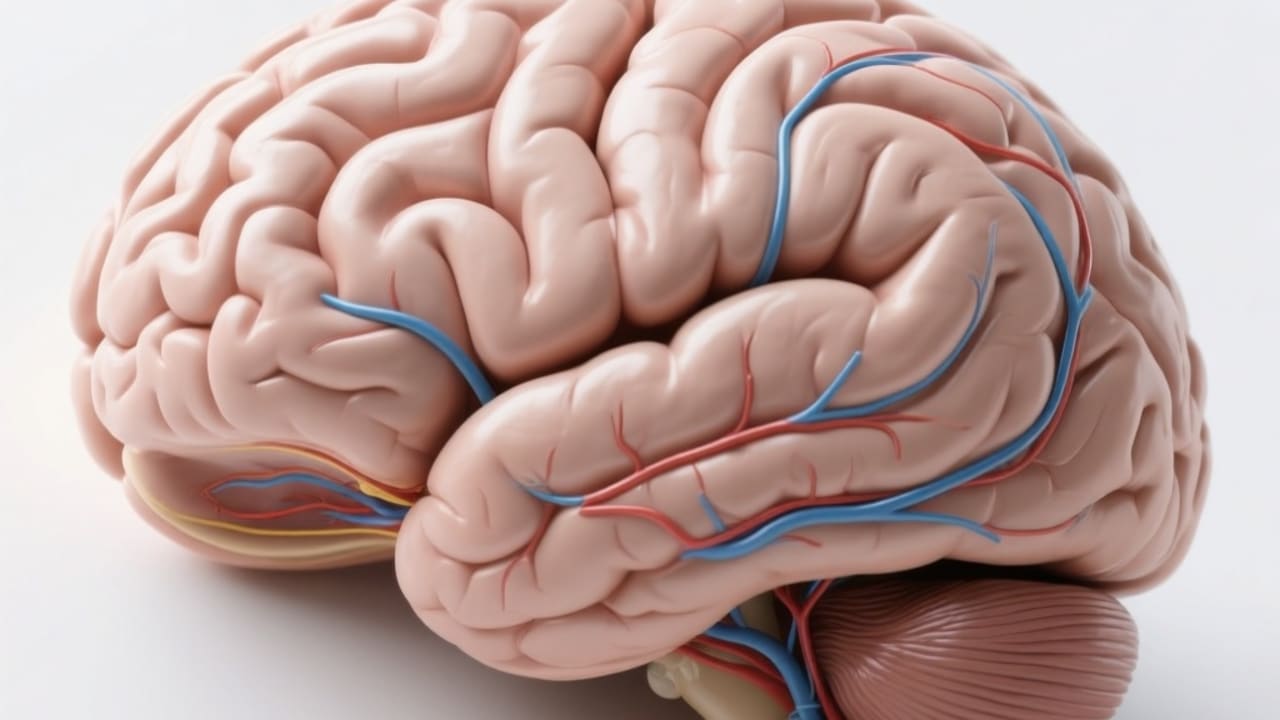
Your brain seems to like a Goldilocks zone. Not too little. Not too much. A 2023 Scientific Reports analysis of 29,545 UK Biobank participants found a U-shaped relationship: sleeping less than 6 hours or more than 9 hours was associated with lower brain volumes and poorer performance on memory, reaction time, and fluid intelligence tests. Every extra hour above 7 was linked to roughly 0.10–0.25% lower brain volumes on average.
Think of sleep like recharging a battery with a smart shutoff. Undercharge it and your phone dies by noon. Overcharge it and the battery can run hot. Your brain’s hardware—especially memory-critical regions—seems to favor a steady 6–9 hour cycle most nights.
Source: Scientific Reports, “Poorer sleep impairs brain health at midlife” (2023), UK Biobank cohort.
Why More Sleep Isn’t Always Better
Here’s the thing: long sleep can be a signal, not a solution. UT Health San Antonio researchers, analyzing community data, reported that longer sleep was associated with poorer global cognition—including memory and executive function—and the link was stronger in people with depressive symptoms. Correlation isn’t causation, but it’s a flag worth noticing.
Most people have been there—crashing after a tough week and logging 10 hours. That’s different from needing 10 hours most nights or waking up unrefreshed after long sleep. Persistent long sleep can reflect fragmented, low-quality nights, untreated sleep apnea, medications, or mood symptoms. If you’re consistently oversleeping and still tired, it’s worth talking with a clinician.
Source: UT Health San Antonio news release summarizing findings on long sleep, cognition, and depressive symptoms (Framingham participants).
Sleep’s Night Shift: Filing Memories and Taking Out the Trash
While you sleep, your brain runs a double shift: it “files” the day’s learning and clears metabolic waste. A peer-reviewed chapter on PubMed Central—“Sleep as the Foundation of Brain Health”—highlights how slow-wave sleep and sleep spindles help move fragile memories from the hippocampus to the cortex for long-term storage. That’s your brain’s save button.
And the timing is sneaky-important. The same review notes memory benefits after a full 8-hour night and even with short naps—some as brief as 6 minutes—especially when sleep happens close to learning. Picture studying vocab, then taking a 20-minute nap; you’re basically giving your brain a quiet room to file the flashcards.
On the cleanup crew: deep sleep appears to boost glymphatic flow, which helps clear byproducts like amyloid from brain tissue. That doesn’t mean sleep “prevents” disease, but it suggests a mechanism by which regular, good-quality sleep may support long-term brain health.
Source: PubMed Central chapter, “Sleep as the Foundation of Brain Health,” summarizing memory consolidation, synaptic plasticity, and waste clearance.
Timing Your Sleep: The Circadian Edge
Your sleep isn’t just about hours; it’s about when those hours happen. Circadian alignment—sleeping at roughly the same time, catching morning light, and dimming late-night glare—may keep your internal clock synced with daylight. That alignment supports the architecture of sleep stages that memory relies on.
You know that feeling when you sleep 8 hours but at random times and still feel off? That’s like switching time zones without the vacation. Regularity, especially a consistent wake time, seems to stabilize energy, mood, and recall across the week.
Source: “Sleep as the Foundation of Brain Health” (PubMed Central) discussing circadian alignment and neurocognitive outcomes.
Why This Matters
This isn’t about chasing perfection. It’s about stacking the odds in your favor on normal Tuesdays—the presentation you need to remember, the name you don’t want to forget, the mood you’d like to keep steadier. Small choices—bedtime guardrails, light exposure, a smarter nap—can add up to a brain that feels sharper at 3 p.m., not just 10 a.m.
“Your brain prefers a rhythm over a rescue. Consistency beats catch-up sleep.”
What You Can Do Today
- Set a wake-time anchor: Pick a time you can keep most days. Regular wake times may help lock in the 6–9 hour sweet spot.
- Get outside within an hour of waking: 5–15 minutes of morning daylight can reinforce circadian timing and may improve sleep quality at night.
- Create a 60–90 minute wind-down: Dim lights, shut down intense work, and keep screens at arm’s length. This may help you reach deeper slow-wave sleep.
- Nap with intent (optional): If you’re learning or memory-heavy today, a 10–20 minute nap—or up to 90 minutes if you can—taken before late afternoon may help consolidate memories without disrupting night sleep.
- Watch the long-sleep signal: If you regularly sleep 9–10+ hours and still feel exhausted, consider discussing mood, sleep apnea, medications, or iron/thyroid checks with a clinician.
You don’t need a perfect night to support your brain—just a pattern that mostly lands between 6 and 9 hours, synced to your clock. If this helped, pass it to a friend who keeps “catching up” on weekends. Their hippocampus will thank you.
Frequently Asked Questions
For most adults, 7–9 hours is a solid target. Large datasets suggest 6–9 hours is associated with better brain measures and cognition than shorter or longer sleep, but individual needs vary.
It depends on timing and length. Short naps (10–20 minutes) can boost alertness and may help memory; longer naps are best earlier in the day so they’re less likely to delay bedtime.
Persistent long sleep with low energy can be a clue to poor sleep quality, depression, sleep apnea, or other issues. It’s worth discussing with a healthcare professional for tailored evaluation.