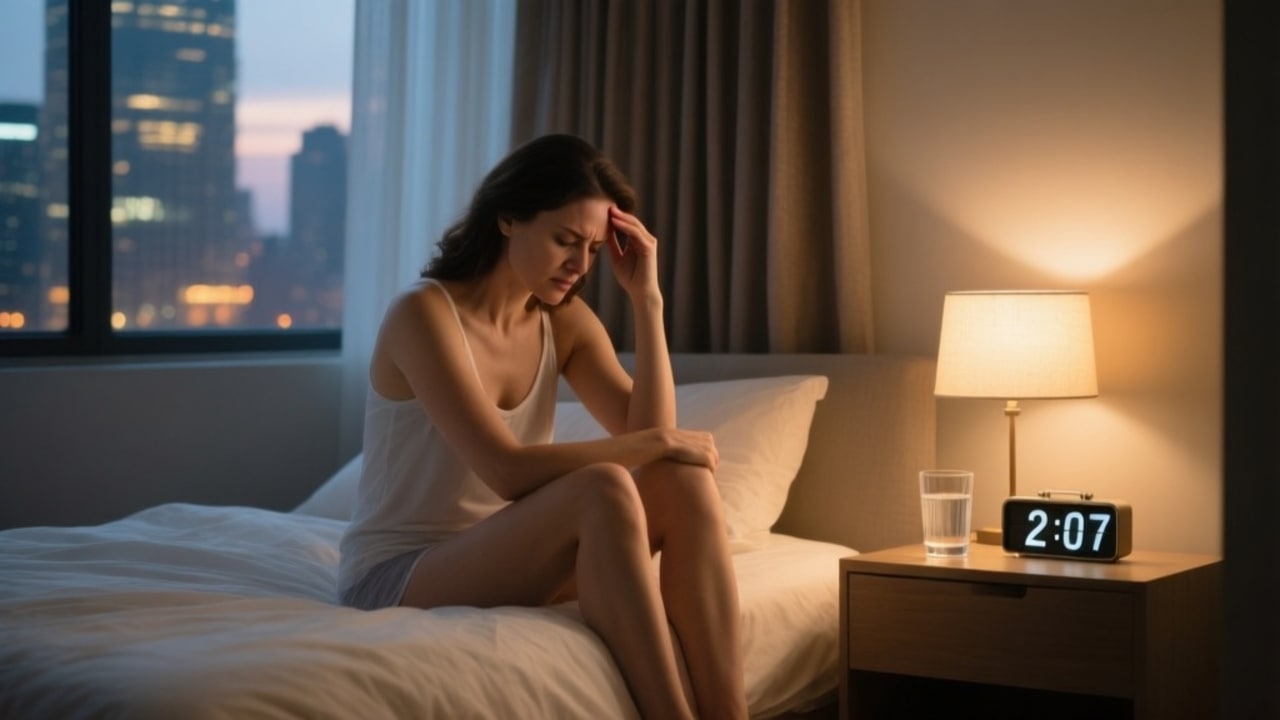
You can push through one short night. Two, maybe. But when sleeplessness turns into a pattern, your brain starts paying the tab—attention slips, mood tilts, and small things feel big. It’s not just “being tired.” It’s your neural circuits running on fumes.
About one in three adults doesn’t get enough sleep. Most people blame stress or poor habits. Here’s the twist: the brain itself often drives insomnia—then insomnia pushes back on the brain, creating a loop that’s hard to break.
The good news? Treatments that retrain sleep—not just knock you out—can protect memory and mood. And some tiny, counterintuitive tweaks make falling (and staying) asleep easier than you think.
- Insomnia is a brain issue, not a willpower failure. It alters networks that regulate arousal, attention, and emotion.
- CBT‑I outperforms sleep pills long‑term for falling/staying asleep and may lower future depression risk.
- Screen for sleep apnea and restless legs. Both quietly strain the brain and sabotage deep sleep.
- Counterintuitive win: warming your hands/feet before bed can help you fall asleep faster by easing heat loss.
- Light and timing matter. Morning daylight and a consistent wake time steady your circadian rhythm.
Insomnia starts in the brain—then reshapes it
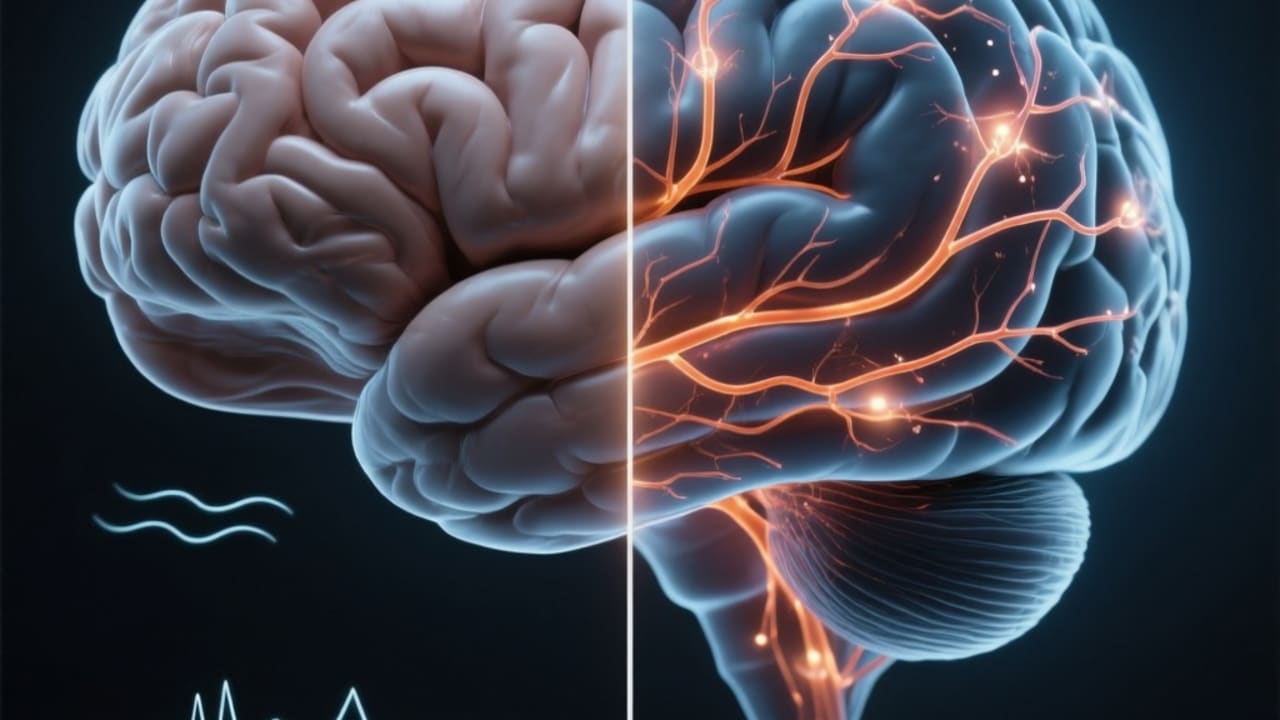
Here’s the thing most people miss: insomnia isn’t simply “not trying hard enough to relax.” The brain’s arousal systems can stay revved when they should idle, making quiet minds feel impossible. Think of it like a car that won’t shift out of second gear at a red light.
A 2019 review in Physiological Reviews described how hyperactive arousal networks and mis-timed circadian signals contribute to chronic insomnia—and how environment (light, posture, temperature) can tip the brain into sleep or block it (Physiological Reviews, 2019).
Real structural changes show up too. Researchers reported that habitual sleep duration and perceived sleep quality track with white matter differences in the brain (Khalsa et al., Neurobiology of Sleep and Circadian Rhythms, 2017). Another team found altered connectivity in emotion and default‑mode networks among people with primary insomnia (Wu et al., Frontiers in Neuroscience, 2018). That doesn’t mean damage—it means the brain is adapting to sleeplessness in ways you can often retrain.
The two‑way street: mood, cognition, and sleepless nights
Most people have been there—after a rough night, emails feel harder, patience runs thin, food choices slide. That’s your hippocampus (memory) and prefrontal cortex (focus, emotion control) flagging low power.
Sleep and mood reinforce each other—for better or worse. A 2022 scientific workshop summary led by sleep expert Dr. Andrew Krystal highlighted trials showing that treating insomnia with cognitive behavioral therapy for insomnia (CBT‑I), even in people without current depression, reduced the chance of future depression (NCBI Bookshelf, 2022). In the other direction, untreated insomnia can blunt antidepressant response and raise relapse risk (Fang et al., 2019; NCBI Bookshelf, 2022).
What does that actually mean for your Monday morning? Better sleep can make therapy work better, make workouts feel doable, and make small stressors feel…well, small again.
Pills vs. skills: what actually helps your brain
Sleep medications can be helpful for short stretches or specific situations. But they tend to sedate the brain rather than restore sleep architecture. Some, like benzodiazepines and “Z‑drugs,” may have mixed effects on cognition and carry dependence risks—especially with long‑term use (NCBI Bookshelf, 2022; comments from Dr. Nathaniel Watson).
CBT‑I works differently. It recalibrates the brain’s sleep drive and arousal cues through structured steps—compressing time in bed, steadying wake time, retraining worry, and re‑associating bed with sleep. Compared to pills, CBT‑I often delivers stronger, longer‑lasting improvements in falling asleep, staying asleep, and next‑day functioning (NCBI Bookshelf, 2022; Irwin et al., 2022).
Picture this: you stop “trying” to sleep and start teaching your brain when to expect sleep. Within weeks, the engine idles when it should. You’re not forcing it—you’re letting biology do its job again.

Hidden brain stressors: sleep apnea and restless legs
Sleep apnea repeatedly drops oxygen and jolts the brain awake—often without you remembering it. People notice foggy mornings, headaches, or snoring that rattles the walls. Over time, those micro‑arousals chip away at attention and mood. Treating apnea (from weight‑neutral strategies to CPAP and oral devices) may improve daytime alertness and memory (American Academy of Sleep Medicine guidance; clinical studies).
Restless legs syndrome (RLS) creates an urge to move just when you want to be still. That constant “need to fix it” sends the arousal system into overdrive and blocks deep sleep. Some cases tie to low iron stores; optimizing ferritin with a clinician’s guidance can help. Neurology clinics routinely see sleep and symptoms improve once the underlying cause is addressed.
If you snore, gasp, or kick at night—or wake with aching calves—it’s worth a conversation with your doctor. Fixing the root problem gives your brain the deep stages it’s been missing.
WHY THIS MATTERS
This isn’t about earning a perfect sleep score. It’s about getting your brain back so you can make decisions faster, enjoy people more, and stop fighting your own thoughts at 2 a.m.
“When sleep improves, everything else gets a little easier—work, workouts, relationships, even how kind you are to yourself.”
If you’ve tried “relax more” and it didn’t work, you’re not broken. You just need tools that talk to the brain systems running the show.
WHAT YOU CAN DO TODAY
- Try a validated CBT‑I program. Digital or in‑person CBT‑I may help retrain sleep in 4–8 weeks. If symptoms are severe or you have other conditions, discuss options with a clinician.
- Set a non‑negotiable wake time. Research suggests a consistent anchor strengthens your circadian rhythm and sleep drive—even if bedtime varies.
- Use light like a lever. Get 10–20 minutes of outdoor light within an hour of waking; dim screens and overheads 1–2 hours before bed. This timing may steady melatonin and alertness.
- Make your body “sleep‑permissive.” A warm shower or heating pad on hands/feet 30–60 minutes before bed can promote heat loss and sleep onset; keep the bedroom cool, dark, and quiet (Physiological Reviews, 2019).
- Screen for apnea and RLS. If you snore, wake choking, or have an urge to move your legs at night, ask about testing. Treating these may improve sleep quality and daytime focus.
- Create a worry buffer. A 10‑minute “brain dump” earlier in the evening may help offload rumination so your bed isn’t your to‑do list.
- Caffeine and alcohol timing. Consider a mid‑afternoon caffeine cutoff and skip nightcaps; both may fragment sleep, especially in sensitive sleepers.
When to get help
If you’ve had trouble sleeping at least three nights a week for three months—or you’re sleepy while driving, pregnant, managing mood symptoms, or suspect apnea—reach out to your primary care clinician or a sleep specialist. Personalized plans, including CBT‑I, medical evaluation, and device‑based treatments, can be tailored safely to you.
You don’t have to out‑tough insomnia. With the right levers—timing, light, temperature, and brain‑based skills—sleep can become simple again. Share this with the friend who says, “I’m just a bad sleeper.” They might not be.
Frequently Asked Questions
CBT‑I retrains the brain’s sleep systems—timing, arousal, and behaviors—so improvements often last. Medications can be useful short‑term but may sedate without restoring natural sleep architecture and can have cognitive side effects for some people.
Clues include loud snoring, gasping, dry mouth, morning headaches, or unrefreshing sleep despite “enough” hours. A clinician can order a home sleep test or lab study to confirm and guide treatment.
Research suggests treating insomnia with CBT‑I may lower future depression risk and improve response to mood treatments. It’s not a cure‑all, but better sleep often makes therapy, medication, and daily coping work better.