
Most people blame screens or stress when their brain feels foggy. But the real cause is often quieter: you shorted yourself on deep sleep, the phase that scrubs your brain and files your memories.
Picture this: it’s 2pm and names slip, tasks blur, you reread the same sentence twice. Coffee helps—until it doesn’t. What’s surprising is how fast it happens. Even one bad night can nudge your memory off course, and over time, the risks stack up.
Here’s the thing: deep sleep isn’t just “nice to have.” It’s when your brain runs its cleaning crew and turns short-term notes into long-term knowledge. Miss it, and your next day—and future self—pay the bill.
- Deep sleep benefits include toxin clearance and memory consolidation that support long-term brain health.
- Experts recommend at least 7 hours nightly to allow enough slow-wave sleep (SWS) cycles.
- Even one night short on sleep may affect the hippocampus and next‑day memory performance.
- Counterintuitive: Spending longer in bed won’t force more deep sleep—consistency and timing matter more.
- Light, alcohol, late meals, and irregular bedtimes quietly chip away at SWS.
Your Brain’s Night Shift: The Clean‑Out Crew
When you reach deep, slow‑wave sleep, your brain flips to maintenance mode. Cerebrospinal fluid pulses more actively through the glymphatic system, helping clear metabolic byproducts that build up during the day—including proteins linked with neurodegeneration.
A 2023 summary from the University of Utah’s Neurology Department highlights how sleep may support this waste‑clearing process, which could be one reason consistent, sufficient sleep is associated with better long‑term brain health. And a Fisher Center for Alzheimer’s Research report describes emerging evidence that more deep sleep is associated with markers of resilience against beta‑amyloid.
Think: a nightly pressure wash
If your workday is a bustling restaurant, deep sleep is the quiet hour when the crew clears the tables and mops the floors. Skip that shift, and the mess carries over—harder to clean tomorrow, and tougher on the staff.
Memory’s Backup Runs in Deep Sleep
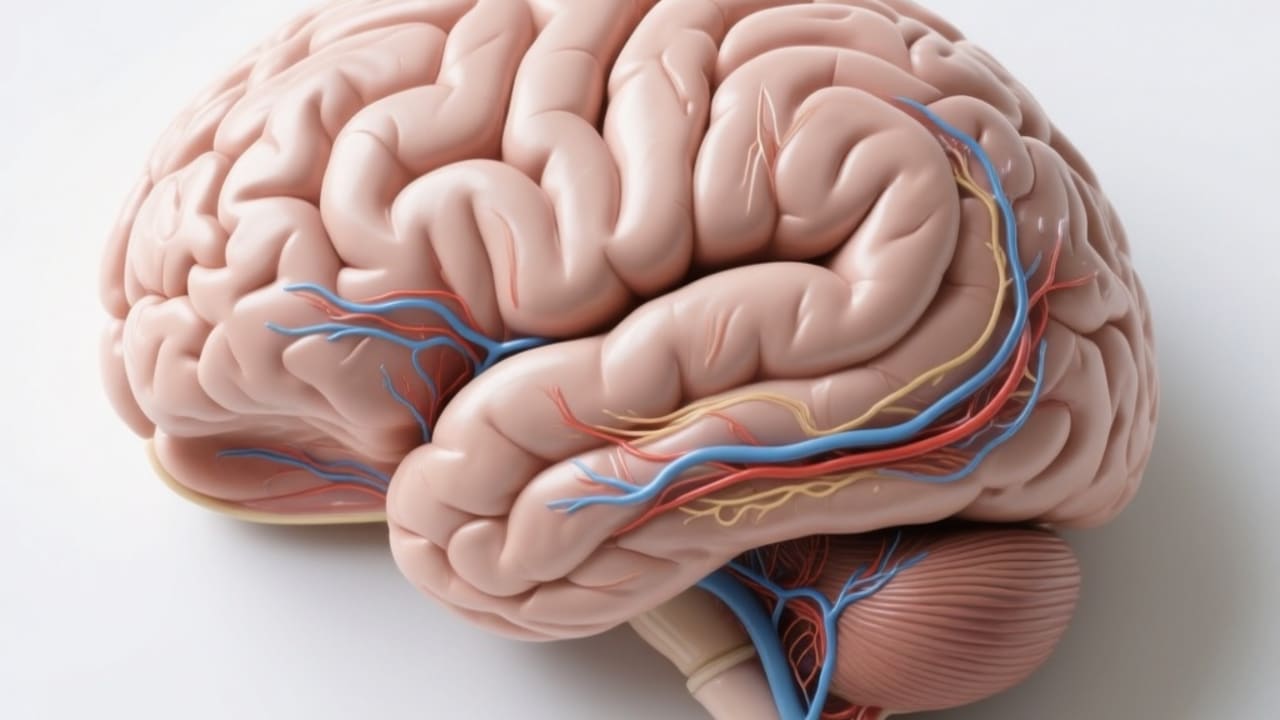
Your brain doesn’t just rest at night—it edits, organizes, and stores. The Memory Consolidation Theory suggests deep sleep and REM help stabilize new information and move it into long‑term storage.
A 2025 paper in Frontiers in Sleep summarizes how poor sleep quality can impair attention, working memory, and executive function, while deep and REM stages support consolidation. A Case Western Reserve overview notes that even a single night of deprivation may affect the hippocampus—a key memory hub—undercutting next‑day learning and decision‑making.
Real life test: the name you just learned
You meet a client at 5pm and repeat their name twice. Without solid deep sleep that night, your brain may never “save” it. With quality sleep, that detail gets filed—ready when you need it in the morning.
Why Seven Hours Isn’t Arbitrary
Sleep cycles repeat about every 90 minutes. The earliest cycles carry the most slow‑wave (deep) sleep; later cycles tilt more toward REM. You need enough total time in bed to complete multiple cycles and harvest both.
A consensus summarized by the Sleep Research Society and American Academy of Sleep Medicine recommends at least seven hours for most adults to support memory and daytime function. That lines up with reports that short sleep is associated with worse cognitive performance and, over time, a higher risk of decline.
The “I’ll catch up later” trap
Sleeping in on Sunday may help a little, but it can’t fully replace lost deep sleep from the week. And irregular weekend hours often make Monday harder by shifting your internal clock.

What Quietly Sabotages Your Deep Sleep
You don’t have to pull an all‑nighter to lose deep sleep. More often, it’s the subtle stuff: late bright light delaying melatonin, a warm bedroom nudging you awake, alcohol fragmenting slow‑wave sleep, or a drifting bedtime that keeps your clock guessing.
Research summarized in 2025 by Frontiers in Sleep (citing Leong and Chee, 2023, and others) connects poor sleep quality with worse attention and memory the next day. A Neurology paper highlighted in 2023 by the Fisher Center linked objective sleep measures with brain imaging markers in older adults—underscoring that sleep architecture isn’t just about how rested you feel; it may reflect deeper brain health.
Nightly scenario
You wrap dinner at 9:30, answer a few messages, sip a nightcap, scroll in bed, and nod off at midnight. On paper you got seven hours, but between light, alcohol, and heat under the duvet, your deep sleep took the hit.
Why This Matters
This isn’t about perfect sleep scores—it’s about the meetings, workouts, and conversations you care about tomorrow. When deep sleep slips, names don’t stick, workouts feel heavier, and patience runs thin with people you love.
Deep sleep is when your brain does the work you hired it for—cleaning up, connecting dots, and getting you ready to be you again.
And because deep sleep may help your brain clear waste and consolidate memories, protecting it now could also support long‑term brain health. The small choices tonight add up—earlier dinner, dimmer lights, a steadier routine.
What You Can Do Today
- Push screens and bright light earlier. Dimming lights 60–90 minutes before bed may help melatonin rise and support slow‑wave sleep.
- Keep it cool. A bedroom around 60–67°F (15–19°C) may help your body reach deeper stages more easily.
- Rethink the nightcap. Alcohol close to bedtime can fragment deep sleep; stopping 3–4 hours before bed may help.
- Set a consistent sleep window. Going to bed and waking within the same 60‑minute range—even on weekends—can stabilize your clock and support SWS.
- Front‑load heavy mental work. Studying or practicing in the evening, then prioritizing 7–9 hours, may improve next‑day recall as sleep consolidates learning.
If snoring, gasping, or unrefreshing sleep are regular issues, consider discussing them with a clinician. Treating conditions like sleep apnea may improve sleep architecture and daytime function.
You don’t need perfect sleep—just enough consistent, high‑quality nights so your brain can do its best work. Share this with someone who’s been running on fumes, then try one small change tonight and notice how the morning feels.
Frequently Asked Questions
There’s no single target, but many adults get roughly 1–2 hours of deep sleep across a full night. Quality and consistency matter more than chasing a number—aim for 7–9 hours total to allow your body to produce adequate slow‑wave sleep.
Sleeping in may reduce short‑term sleepiness, but it doesn’t fully replace missed deep sleep and can shift your body clock. Most people do better with a steady schedule and earlier nights during the week.
Evidence is mixed. Magnesium may help some people relax, especially if they’re low on it, but it’s not a guaranteed fix. Talk with a healthcare professional if you have medical conditions or take medications, and focus first on light, timing, temperature, and alcohol habits.