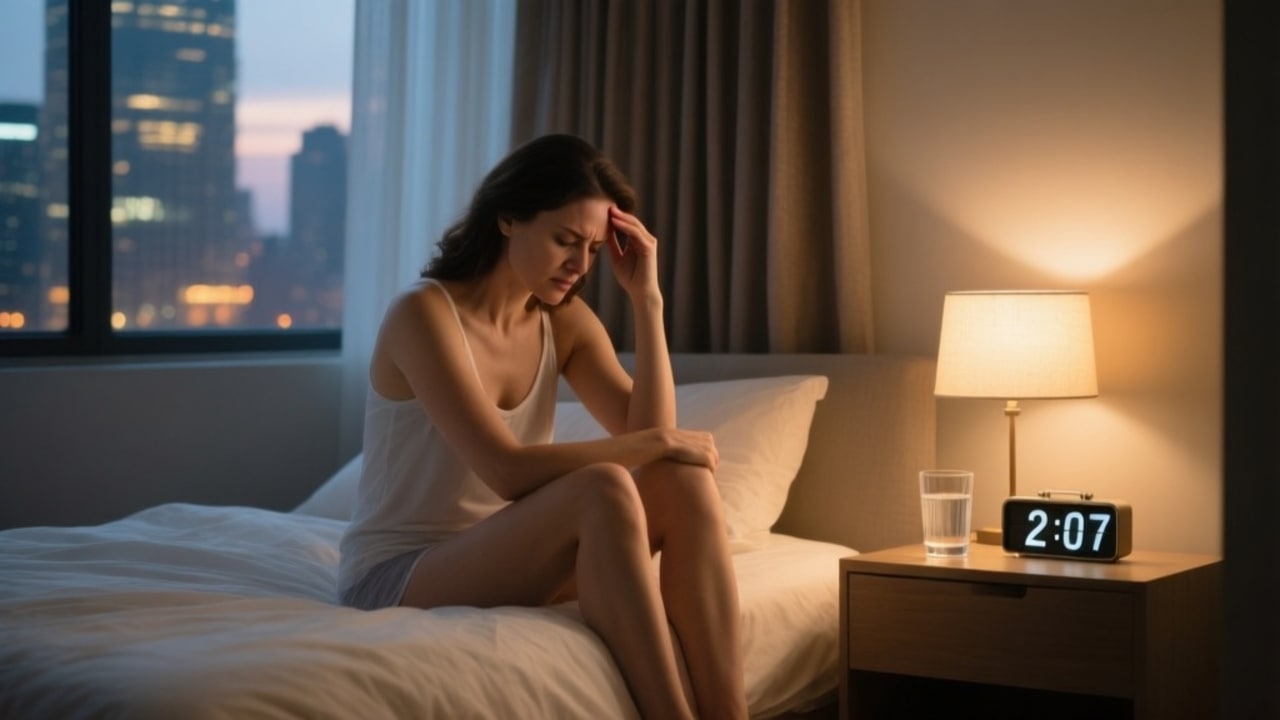
You’re in bed at 11, scrolling. Midnight. 12:30. The clock flips and your mind won’t. Most people blame stress or work. Here’s the thing—your light and temperature timing are quietly dictating whether you fall asleep on cue or chase it for hours.
What’s surprising: you don’t need a new mattress or a “miracle” supplement. The biggest wins come from small, smart changes that real research supports—some counterintuitive, many free, all practical.
- Morning outdoor light and dimmer evenings may help your brain’s clock run on time—faster sleep, easier wake-ups.
- A warm shower 1–2 hours before bed helps you cool down and may shorten time to fall asleep.
- Blue‑light glasses probably won’t fix your sleep; dimming brightness and timing screens matters more.
- Wearables are helpful for patterns, not diagnoses—trust trends over nightly numbers.
- For chronic insomnia, CBT‑I (including digital versions) is a first‑line, non‑drug option worth discussing.
Your Body Is a 24‑Hour Clock—Light Sets the Time
Picture this: two minutes of phone glow at 11 pm feels harmless. But to your brain’s clock, that light says “daytime.” Room lighting and screens can delay melatonin and push your sleep window later—even if you’re exhausted.
A 2011 paper in the Journal of Clinical Endocrinology & Metabolism (Gooley and colleagues) found typical indoor room light before bedtime suppressed melatonin and delayed its onset compared with dim light. Flip the script in the morning and light becomes your ally: a 2017 study in Current Biology (Stothard et al.) showed strong natural light exposure rapidly realigned circadian timing after schedule drift—think camping without alarms resetting your body’s clock.
What does that mean for weekdays? Get bright outdoor light within an hour of waking—cloudy counts. And keep evenings cozy and dim. Your clock loves contrast: bright mornings, low‑light nights.

Temperature Is the Quiet Lever Most People Ignore
You know that moment you flip the cool side of the pillow and feel your body exhale? Sleep onset is tied to a drop in core body temperature. Help that drop and you often fall asleep faster.
Counterintuitive but true: a warm bath or shower 1–2 hours before bed can speed sleep because it triggers heat loss after you step out. A 2019 systematic review in Sleep Medicine Reviews (Haghayegh et al.) reported that timed, passive body warming modestly improved sleep efficiency and cut sleep‑onset latency by around 10 minutes on average.
Room climate matters too. In a 2016 trial in Indoor Air (Strøm‑Tejsen et al.), better bedroom ventilation improved sleep quality and next‑day performance. Translation: aim for a cooler room (roughly 60–67°F/15–19°C for many people), breathable bedding, and fresh air if possible.
Wearables, Blue‑Light Glasses, and Supplements—What Actually Holds Up
Most people have been there—your ring says you slept “poorly,” but you feel fine. Or the app crowns you with a 95 and you’re a zombie. Helpful? Sometimes. Perfect? Not yet.
A 2019 paper in Sleep compared popular consumer trackers to gold‑standard sleep studies and found they tend to overestimate total sleep time and misclassify sleep stages. Use them for trends, not truths. If a gadget nudges you to get morning light or keep a stable bedtime, that’s a win. If it spikes your anxiety, loosen your grip.
About blue‑light lenses: a 2023 Cochrane Review concluded blue‑light filtering glasses are unlikely to meaningfully improve sleep. Lowering brightness, using warm color temperature in the evening, and—most importantly—reducing overall evening light exposure may matter more.
Supplements? Melatonin can help with circadian timing (like jet lag), but over‑the‑counter products vary widely. A 2017 analysis in the Journal of Clinical Sleep Medicine (Erland & Saxena) found melatonin content in supplements ranged from −83% to +478% of the labeled dose, with some products containing trace serotonin. If you use it, consider low doses and discuss with a clinician—especially for kids or if you’re on other medications.

The Strongest Non‑Drug Fix: CBT‑I, Now in Your Pocket
Here’s what nobody tells you about “sleep hygiene”: it’s helpful, but it rarely resolves chronic insomnia on its own. Cognitive Behavioral Therapy for Insomnia (CBT‑I) targets the behaviors and thoughts that keep insomnia stuck—clock‑watching, irregular schedules, the fear of the bedroom itself.
The American College of Physicians’ 2016 guideline recommended CBT‑I as first‑line for chronic insomnia. Since then, app‑based programs have grown up. A 2021 meta‑analysis in Sleep Medicine Reviews reported that digital CBT‑I improved insomnia severity and sleep efficiency, offering an accessible path when in‑person therapy isn’t available.
Think of CBT‑I like strength training for sleep: brief, structured, sometimes uncomfortable—but the gains tend to last. If your sleeplessness has stretched past a few months, it’s worth discussing with your doctor.
Why This Matters
Because what happens at 10 pm changes 10 am. Better sleep doesn’t just feel nicer—it may help your mood, focus, workouts, and how you show up for people you care about. When you line up light, temperature, and timing, mornings stop feeling like a fight.
Your sleep isn’t “broken”—it’s mistimed. Nudge the clock, and nights often follow.
What You Can Do Today
- Get outside within 60 minutes of waking for 5–15 minutes of natural light; research suggests this may help anchor your circadian rhythm.
- Dim overheads 2–3 hours before bed; use warm lamps and reduce overall brightness. Screens on warm mode help, but lowering total light may help more.
- Try a 10–15 minute warm shower 1–2 hours before bedtime; evidence suggests it may shorten time to fall asleep by promoting post‑shower cooling.
- Keep your room cool and well‑ventilated; a small fan or cracked window may help comfort and next‑day alertness.
- If insomnia persists for 3+ months, consider a CBT‑I program (digital or in‑person). Discuss options with a clinician, especially if you have other health conditions.
Small, science‑backed shifts beat heroic willpower. Try one change for a week, notice what moves the needle, then stack the next. If this helped, share it with the friend who’s wide awake at midnight—you might be their nudge back to better nights.
Frequently Asked Questions
Aim to reduce overall light exposure 2–3 hours before bedtime. If screens are necessary, keep brightness low, use warm color settings, and consider holding them at least arm’s length to reduce intensity.
Low‑dose melatonin may help with circadian timing or jet lag, but product content varies and it can interact with medications. It’s best to discuss routine use with a healthcare professional, especially for children or if you’re pregnant, nursing, or managing medical conditions.
A 2023 Cochrane Review suggests they’re unlikely to meaningfully improve sleep. Dimming overhead lighting and reducing total evening light tend to matter more than the color of the light alone.