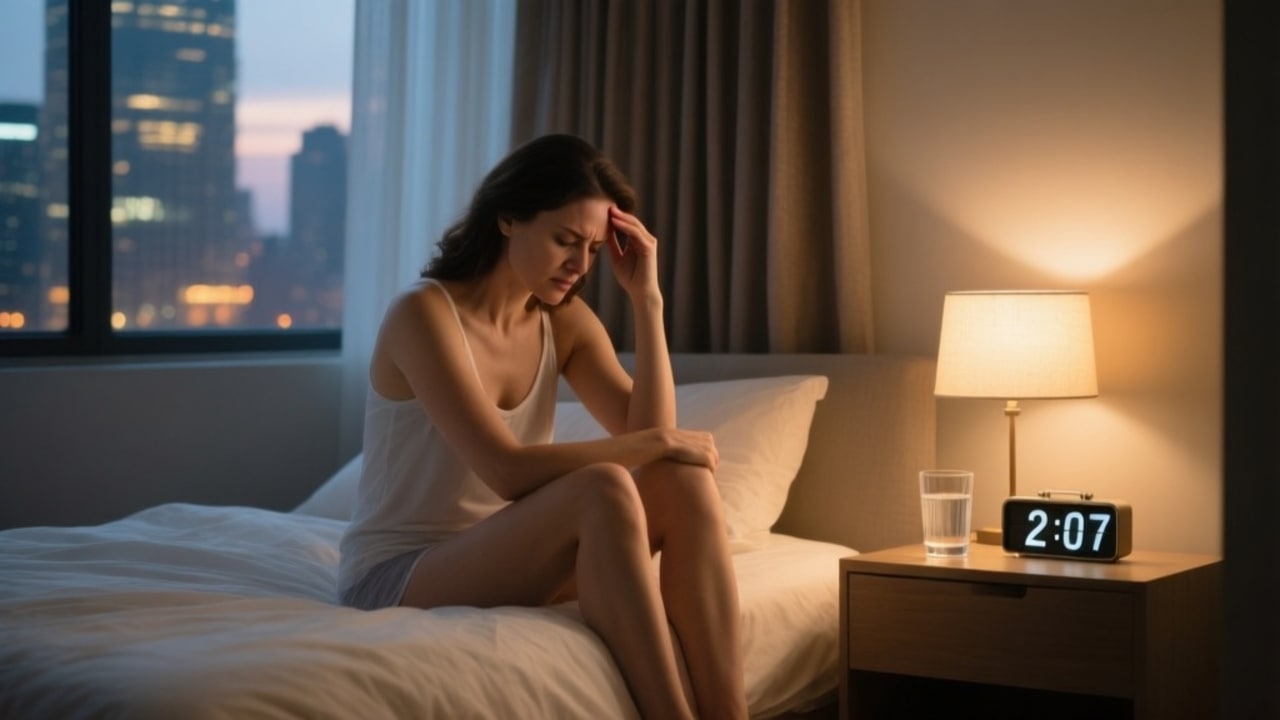
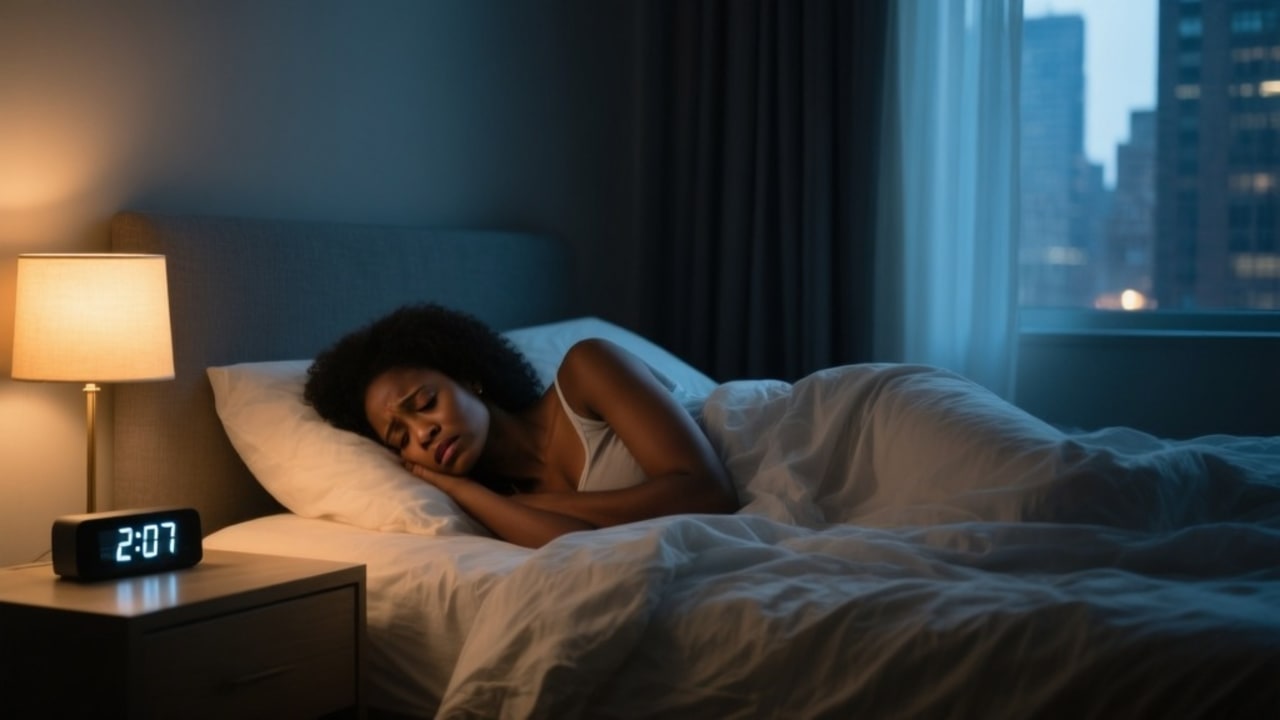
Most people blame stress or “bad sleep genes.” Here’s the thing: the real culprit is often a late-running body clock that’s silently pushing your sleep window later, scrambling energy and mood.
And it’s not just about feeling groggy. A 2025 study of more than 2,000 older adults found that those with stronger daily rhythms had roughly half the risk of developing dementia compared with those with weaker rhythms. That quiet clock in your brain touches metabolism, hormones, immune function—the works.
The good news: you can nudge that clock—fast—using light, meals, and timing. No biohacking gadgets required.
- Anchor your wake time within a 30-minute window daily; then chase morning light for 10–20 minutes.
- Front-load your day: earlier meals and activity signal “daytime,” helping reset circadian rhythm.
- Dim and warm your evenings: cut bright overheads and screens 90 minutes before bed; use night-shift modes.
- Counterintuitive: If you use melatonin, tiny doses earlier in the evening may shift timing better than a big dose at bedtime—discuss with a clinician.
- Shift workers: timed bright light, sunglasses at dawn after night shifts, and blackout curtains can protect your schedule.
The Hidden Cost of a Late Body Clock
Picture this: you’re wide awake at midnight, then dragging at 7 a.m., then wired again at 10 p.m. That’s not “just how you are”—it’s a phase delay. When your sleep window slides late, your hormones, appetite, and focus slide with it.
The Global Wellness Institute’s 2026 Sleep Initiative highlights how circadian disruption is linked with metabolic disorders, impaired cognition, and mood issues—fueled by evening light, irregular schedules, and late meals. In practical terms, that means more cravings, slower workouts, foggier mornings.
A large 2025 study reported by Medical Xpress noted that stronger, more regular 24‑hour rhythms were associated with a markedly lower risk of dementia. And the Cleveland Clinic warns that circadian rhythm disorders can raise safety risks—think drowsy driving—while also straining work and relationships. This isn’t just sleep; it’s life logistics.
How Light, Food, and Movement Set Your Clock
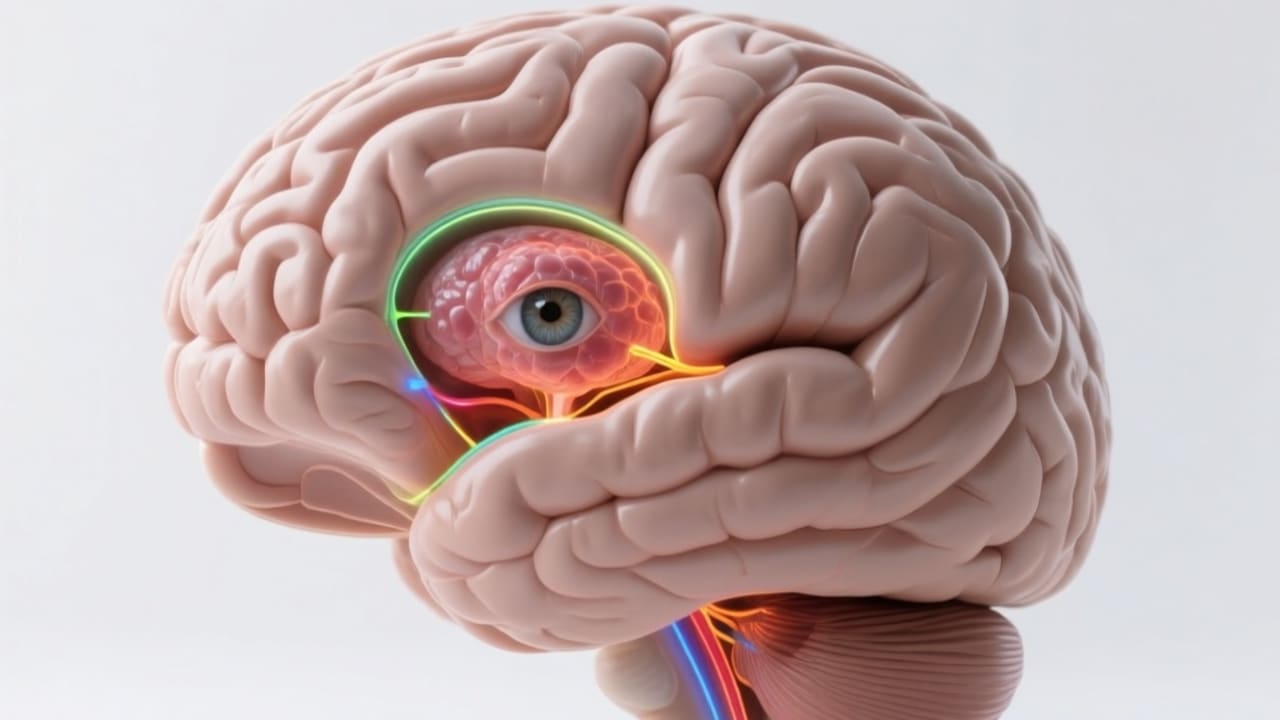
Your body has a master clock—the suprachiasmatic nucleus (SCN)—that reads outdoor light as a daily timestamp. Morning sunlight tells your brain “day has started”; bright light at 10 p.m. says “oops, still daytime.” Think of it like the thermostat of your biology—set it right, and everything else stabilizes.
The NIH’s 2023 circadian rhythms fact sheet explains that light is the primary cue, with meals and activity acting as powerful secondary timers. Translation: early daylight plus earlier eating and movement push your clock earlier; late light and late meals push it later.
A 2025 paper in BMC Public Health (de Menezes-Júnior et al.) analyzed timing of sun exposure and found that morning light was associated with better sleep timing, while late-day light correlated with delayed sleep and shorter duration. Even a brisk 10–20 minute walk facing daylight can make a difference—yes, on cloudy days too.
Timing trumps intensity at night
At night, it’s less about how tired you feel and more about what your eyes see. Overhead LEDs and blue‑white screens after 9 p.m. can push your internal clock later. Warm, dim lighting and screen filters reduce that “it’s still daytime” signal so melatonin can rise naturally.
Are You Out of Sync? Signs to Watch
You know that feeling when you’re alert at 11 p.m. but worthless at 8 a.m.—and play catch-up on weekends? That weekday–weekend swing (social jet lag), late-night second wind, and midafternoon energy cliff all point to a clock running behind your obligations.
Mental health often rides shotgun here. The Lindner Center of HOPE notes that disrupted circadian rhythms are common in depression and anxiety, and evening chronotype is linked with greater symptom severity in some conditions. It’s a two-way street: anxiety can delay sleep; delayed sleep can worsen anxiety.
If you’re consistently sleepy during commutes, or you can’t fall asleep before 1 a.m. despite exhaustion, that’s worth discussing with a clinician. The Cleveland Clinic points out that while not directly “dangerous,” circadian disorders may raise accident risk and disrupt work and family life. Your clock matters because your calendar does.

Shift Work, Screens, and the Real-World Traps
Most people don’t live in a lab. You’ve got night shifts, toddlers, group chats pinging at 10 p.m. Strategic light still helps. For night‑shift workers, bright light during the shift and sunglasses on the commute home can protect a delayed schedule; then blackout curtains make “daytime” behave like night.
A 2024 research overview by Varma and Rahman highlights how precisely timed light can shift the circadian phase—advance it with morning light exposure, delay it with evening light. Paired with consistent meal timing, you can move your window in small, sustainable steps (30–60 minutes at a time).
Cleveland Clinic guidance underscores behavior first: anchor wake times, protect the sleep window, and manage naps. When used, melatonin is a timing cue, not a sedative—tiny doses and earlier timing may help phase‑shift for some people, but it’s worth individualizing with a healthcare professional, especially if you have migraines, mood conditions, or take other meds.
Why This Matters
Because when your clock runs late, life feels one step behind—emails pile up, workouts feel heavier, evenings blur into screens, and mornings start in survival mode. A small shift—earlier light, earlier meals—can turn “I’m always behind” into “I’m steady.”
You don’t need a perfect routine—just two anchors: morning light and a consistent wake time.
The ripple effects are practical: steadier mood by lunchtime, fewer late‑night cravings, and a brain that turns on when your day actually starts. That’s not optimization for its own sake—it’s making your 9 a.m. meeting feel like 9 a.m., not 5 a.m.
What You Can Do Today
- Get outside within 30 minutes of waking for 10–20 minutes of daylight. Research suggests morning light may advance your clock and improve sleep timing.
- Eat and move earlier: aim for a protein‑rich breakfast and a short walk before noon. Earlier meals and activity may help align circadian signals.
- Create an “8 p.m. dimming ritual”: switch off overheads, use warm lamps, and set devices to night mode; avoid bright screens 60–90 minutes before bed when possible.
- Keep a steady wake time (±30 minutes), even after a rough night. This consistency trains your clock; naps can be brief (10–20 minutes) before 3 p.m. if needed.
- Talk to your clinician about timing aids if sleep timing stays stuck—melatonin, light boxes, and schedule adjustments may help when tailored to your situation.
Shifting your sleep isn’t about willpower—it’s about better signals. Start with light in the morning and less of it at night, keep meals earlier, and hold your wake time. Share this with the friend who’s always “wired at midnight,” and compare notes next week.
Frequently Asked Questions
Many people notice earlier sleepiness and easier wake-ups within 3–7 days of consistent morning light, earlier meals, and a steady wake time. Bigger shifts (over an hour) may take 1–3 weeks.
Low doses, timed earlier in the evening, may help shift sleep for some people, but it’s not a one-size-fits-all solution. Discuss dosing and timing with your clinician, especially if you take other medications or have mood conditions.
You may benefit from timed bright light during shifts, sunglasses on the commute home, strict blackout for daytime sleep, and consistent meal timing. A sleep specialist can help tailor a plan to your rotations.