
Picture this: it’s 2 a.m., your brain won’t power down, and tomorrow’s “clean eating” plan already feels doomed. You wake groggy, crush a latte, and by 3 p.m. the snack drawer somehow has your name on it.
Most people blame weak willpower. The real saboteur is often sleep-driven biology—especially cortisol and the hunger hormones that shift when you’re short on rest. That mismatch can quietly add hundreds of calories and stall fat loss, even if your meals look “perfect.”
- Short sleep can raise evening cortisol, nudging your body to store more fat and seek quick energy.
- Ghrelin rises and leptin falls with sleep loss, which may add 200–500 extra calories per day without you noticing.
- Quality sleep supports fat loss during a calorie deficit by helping appetite, glucose control, and self-control work with you.
- Late caffeine, bright screens, and stress quietly amplify cravings the next day.
- Counterintuitive: A calm, 10-minute wind-down may help your waistline more than a new snack hack.
Most Diets Ignore the Real Saboteur: Cortisol
Here’s the thing: staying up late isn’t just “time awake”—it’s a stress signal. Your brain has to work to keep you alert, and that effort can push cortisol higher, especially later in the day. That’s like turning up your body’s “store energy” dial right when you’re reaching for snacks.
A 2015 review of sleep, stress, and metabolism (PMC4688585) notes that total sleep deprivation often elevates nighttime and next‑day cortisol, and chronic restriction is linked to higher afternoon/evening cortisol after just six nights of 4 hours in bed. Some studies report mixed results, but across real‑world, repeated short sleep—the kind many of us live with—the pattern tilts toward more stress chemistry and harder weight management.
Analogy time: imagine your thermostat gets confused and keeps heating the room. Cortisol is that glitchy thermostat—nudging your body to conserve and stash energy, particularly around the midsection, while your brain asks for quick sugar “now.”
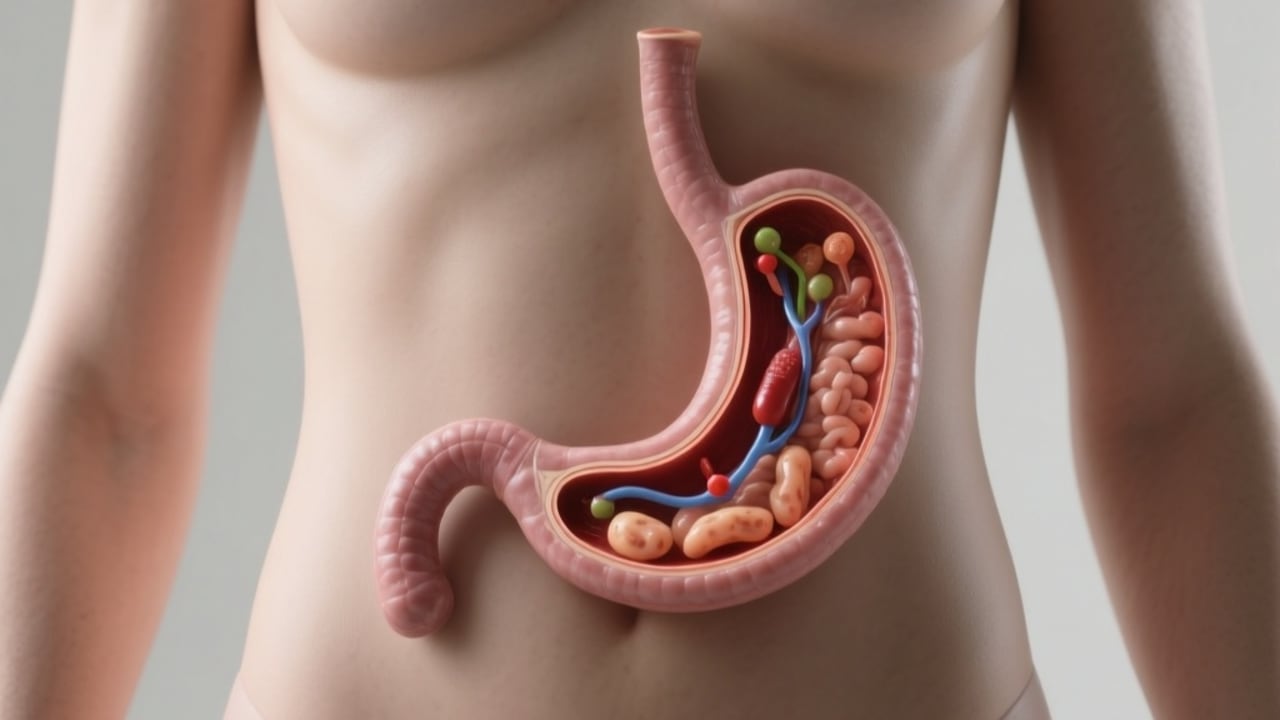
Your Hunger Thermostat Gets Recalibrated Overnight
You know that feeling when the office pastry box suddenly has a gravitational pull? Sleep loss helps set that up. Ghrelin (the “eat now” signal) tends to rise, while leptin (the “we’re good” signal) drops when you’re short on sleep. That combo makes portions look smaller and snacks look essential.
A 2022 review focused on sleep and weight loss (PMC9031614) describes this pattern and notes that restricted sleep can reduce fat loss during calorie restriction. It also highlights a common outcome: people eat 200–500 extra calories on short-sleep days. The Cleveland Clinic’s overview echoes this, linking sleep debt to disrupted ghrelin/leptin balance and harder weight control.
Picture the snack aisle like a DJ amping the bass—ghrelin turns cravings up, leptin turns “I’m full” down. After a late night, the volume knob is stuck on loud.
Sleep Loss Rewires Reward and Metabolism—Fast
Sleep isn’t downtime; it’s when your brain resets hunger and reward circuits and your body stabilizes glucose. When you cut sleep, the brain’s “that looks tasty” network lights up more, while self‑control has less fuel to hold the line.
A neurologist writing for The Conversation explains how sleep loss heightens cravings and raises cortisol, particularly steering fat storage toward the abdomen. Experimental data summarized in PMC9031614 add that even brief sleep restriction can impair glucose tolerance and insulin sensitivity—meaning carbs hit harder and hunger returns sooner. That’s a tough headwind for any meal plan.
Think of your brain as a shopper going to the store hungry with a dimmer flashlight. Everything ultra‑processed gleams; the produce aisle looks boring. Your cart writes your next day’s blood sugar story.

The Good News: Sleep Is a Reset Button
Here’s the hopeful part: metabolism responds quickly to better sleep. As The Conversation piece notes, even one or two nights of quality rest may begin to restore normal hunger and reward signaling. Over weeks, that steadier biology can make a calorie deficit feel more livable.
Nuance matters, though. The 2015 review (PMC4688585) points out that not every study shows higher cortisol after a single all‑nighter; sampling and fatigue effects vary. But in chronic, real‑life patterns—late nights, early alarms, stress—cortisol and appetite disruption show up often enough to be worth addressing if you care about your waistline and energy.
Imagine tapping a “reset” on your phone that stops the random glitches. A few nights of solid sleep can do that for cravings, energy, and workout motivation—no biohacking required.
WHY THIS MATTERS
This isn’t about perfection. It’s about stacking the deck in your favor. If you’re chasing fat loss while running on five hours, you’re paddling upstream—hungrier, more stressed, and more reactive to sugar dips. Better sleep makes “eat well, move more” feel less like a fight and more like a groove you can keep.
“You’re not failing your diet—your biology is sleep‑deprived.”
WHAT YOU CAN DO TODAY
- Set a consistent sleep window (7–9 hours) and anchor your wake time—even on weekends—within about an hour. Consistency may help lower evening cortisol and steady appetite signals.
- Create a 10–15 minute wind‑down: dim lights, park your phone, try slow nasal breathing (4‑count in, 4 hold, 6 out) or a warm shower. This gentle downshift may reduce stress‑driven snacking.
- Catch morning light + move within an hour of waking. Natural light and a short walk can help your body clock, mood, and sleep pressure for tonight.
- Time your stimulants: aim to stop caffeine ~8 hours before bed, and wrap alcohol 3–4 hours before sleep. Both can fragment sleep and boost next‑day cravings.
- Plan the late‑evening “if hungry” snack: protein + fiber (e.g., Greek yogurt with berries) may curb cravings better than sweets. And if you snore loudly, gasp at night, or have persistent insomnia, it’s worth discussing with a clinician—treating sleep disorders can support weight goals.
You don’t need to overhaul your life. Start with one lever—lights lower earlier, phone out of the bedroom, a calmer bedtime. Notice how your morning appetite, energy, and choices shift. Then build from there.
Frequently Asked Questions
Better sleep may help lower evening cortisol and steady appetite, which can support overall fat loss. Where your body loses fat first varies by person, so focus on consistent sleep plus nutrition and movement.
Most adults feel and perform best with 7–9 hours. Quality matters, too—consistent timing, darker rooms, and fewer overnight wakeups may help appetite and glucose control.
Intense workouts close to bedtime can delay sleep for some people, while light stretching or a walk may help. Experiment with timing; if nights hurt sleep, try earlier sessions.