
You’re doing everything “right,” but your energy still flatlines by 3 p.m. Your phone pings after dinner, your brain revs up, and sleep slips through your fingers. Then the guilt hits: if you just tried harder, you’d keep up.
Here’s the thing—burnout isn’t a willpower problem. It’s a stress-system problem colliding with workload and expectations. Recent surveys suggest roughly two-thirds of workers now report burnout as a major challenge. Most people double down on self-care. The real gains come when you reset your nervous system and, where possible, change the way work works.
- Burnout = stress-system overload plus workplace mismatch—not a personal failure (WHO classifies it as an occupational phenomenon).
- 60–90 seconds of slow or “physiological sigh” breathing may calm your body fast and steady your focus.
- Morning sunlight (5–10 minutes) can help rebalance cortisol and improve sleep timing.
- Move most days: 20–30 minutes of moderate activity is linked to lower anxiety and stress.
- Counterintuitive: Organizational fixes (workload, control, clarity) often beat solo self-care for sustained relief.
Your brain on burnout isn’t “broken” — it’s overloaded
Picture this: you finally sit down to rest, but your mind keeps scanning for threats—Slack messages, metrics, mistakes. That’s your stress circuitry practicing its job a little too well. Chronic stress can push your amygdala into high alert while making it harder for the prefrontal cortex (your planning and perspective hub) to regulate those alarms.
The World Health Organization classifies burnout in the ICD‑11 as an occupational phenomenon marked by exhaustion, cynicism, and reduced efficacy—so you’re not imagining it. And it’s not just mental: a 2019 BMJ population study found people with stress-related disorders had higher risks of cardiovascular disease, underscoring that long-haul stress loads the body too, not just the mind.
Translation: your system is trying to protect you. But when the “on” switch sticks, focus, sleep, and motivation take the hit.
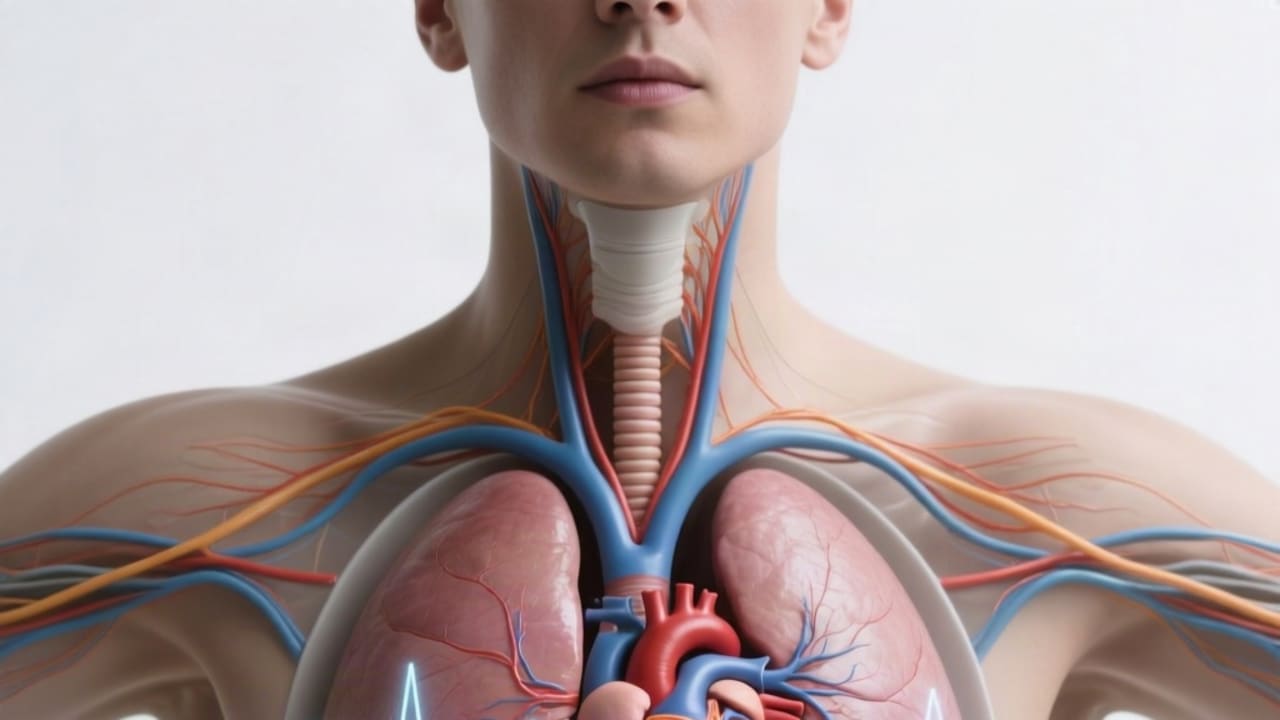
Fast nervous-system resets you can feel
Most people wait for a free hour to relax. Better: use 60–120 second “micro-resets” throughout the day. Think of them like tapping your laptop’s refresh—small, frequent, effective.
One option is the “physiological sigh”: inhale through your nose, then take a second shorter sip-inhale, and exhale slowly through your mouth—repeat for 1–2 minutes. A 2023 study in Cell Reports Medicine found brief daily breathwork, especially cyclic sighing, improved mood and heart-rate variability more than mindfulness alone. A 2018 review in Frontiers in Human Neuroscience also reported that slow breathing can increase vagal tone and reduce arousal.
Relatable test: try 90 seconds of this before opening your inbox or a tough conversation. You’re giving your body the “all clear,” so your brain can do its best work.
Light, movement, and food: the low-lift trifecta
Your day runs on rhythms. When light, movement, and meals line up, stress gets easier to carry. When they don’t, everything feels heavier.
Light: Step outside within an hour of waking—5–10 minutes of daylight (even on cloudy days) helps anchor your circadian clock. In a 2013 Current Biology study, a week of natural light exposure shifted people’s internal clocks earlier and improved melatonin timing.
Movement: Aim for most days. A 2023 umbrella review in the British Journal of Sports Medicine reported that physical activity was associated with meaningful reductions in depression, anxiety, and stress symptoms across diverse groups. You don’t need perfection—think brisk walk calls, stair sprints between meetings, or a short flow when a calendar hold gets canceled.
Food: Stable energy flattens stress spikes. The 2017 SMILES randomized trial in BMC Medicine found that a Mediterranean-style pattern (vegetables, legumes, whole grains, fish, olive oil) improved depressive symptoms compared with social support alone. You don’t need a total overhaul—try adding protein and fiber to lunch to avoid the 3 p.m. crash.
Analogy time: treat these as your “power outlets.” Plug in two out of three on most days and your stress battery holds a charge longer.

You can’t self‑care your way out alone
Burnout lives at the intersection of biology and job design. If your workload, control, and clarity don’t change, recovery plateaus. That’s not on you.
A 2017 JAMA Internal Medicine review of physician burnout found organization‑directed changes—like adjusting schedules, improving teamwork, and optimizing workflows—were often more effective than individual-only strategies. The National Academy of Medicine’s 2019 report echoed this: systemic fixes matter.
Relatable scenario: If meetings stack through your best focus window, a 2-minute breathing break won’t save the day. Renegotiating one recurring meeting or shifting one deadline might.
Why this matters
Because Mondays shouldn’t steal your Sundays. Burnout bleeds into how you show up with friends, partners, and kids—and for yourself. When you feel constantly “behind,” joy starts to feel optional. It’s not.
You’re not fragile—you’re overloaded. Recovery is a process and a negotiation, not a personality makeover.
The goal isn’t to become a stress-proof robot. It’s to recalibrate your system, reclaim a little control, and rebuild capacity—one lever at a time.
What you can do today
- Try a 90‑second reset: 6–10 rounds of physiological sighs may help lower arousal before your next task.
- Get morning light: 5–10 minutes outdoors within 60 minutes of waking can support circadian rhythm and may improve sleep quality.
- Move in “snacks”: Three 7–10 minute brisk walks or a short bodyweight circuit may ease stress when long workouts aren’t happening.
- Stabilize one meal: Add protein, fiber, and color to lunch (e.g., chickpeas + greens + salmon or tofu) to reduce afternoon crashes.
- Negotiate one lever at work: Propose a no‑meeting focus block, clarify one fuzzy deliverable, or ask to drop a low‑impact task. If stress feels unmanageable, consider discussing options with a clinician or EAP; professional support can help tailor next steps.
You don’t have to fix everything this week. Pick one fast reset and one structural lever. Share this with a teammate, make a small change together, and notice what shifts.
Frequently Asked Questions
It varies. Some people feel better in weeks with rest plus small habit changes, while deeper recovery can take months—especially if work factors don’t change. If symptoms persist or worsen, it’s worth speaking with a healthcare professional.
Step outside for 5–10 minutes of daylight and pair it with 60–90 seconds of slow breathing. This combo may steady your nervous system and help you focus on the next right task.
Mindfulness may reduce stress and rumination for many people. A 2014 JAMA Internal Medicine review found meditation programs modestly improved anxiety and mood. It’s most effective when paired with workload and boundary adjustments.