
Picture this: you’ve white-knuckled your calories all week, dragged yourself to the gym, and the scale won’t budge. Then Friday hits, you’re running on five hours of sleep, and suddenly the snacks at 10 p.m. feel magnetic.
Most people blame willpower. The real culprit is often sleep. When you’re short on it, your body quietly rewires hunger, stress, and fat storage—making weight loss feel harder than it needs to.
- Sleep and weight loss are linked—short sleep can tilt hunger hormones and nudge you toward extra calories.
- Going to bed 30–60 minutes earlier may reduce spontaneous intake by a few hundred calories without trying.
- Counterintuitive: Fixing your sleep schedule can affect appetite more than swapping carb vs. fat ratios for many people.
- Late-night light and meals can misalign your clock, raising next-day cravings and glucose swings.
- Small wins—morning light, earlier dinner, and a set wind-down—may help recalibrate cortisol and appetite.
Your Hunger Hormones Flip When You Skimp on Sleep
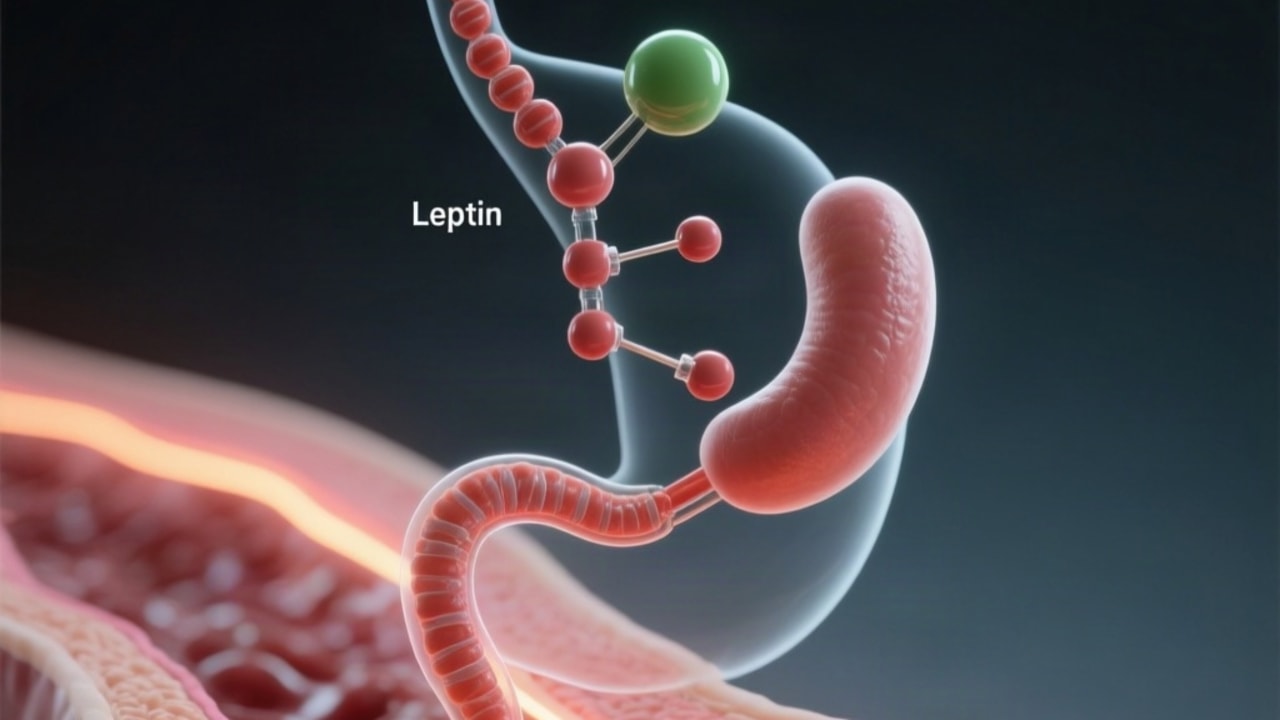
Here’s the thing: sleep loss doesn’t just make you tired; it changes what your brain thinks you need to eat. Ghrelin (the “I’m hungry” signal) tends to rise, while leptin (the “I’m full” signal) tends to fall after short sleep. That’s a double nudge toward bigger portions and snackier choices.
A 2004 paper in Annals of Internal Medicine led by researchers including Dr. Eve Van Cauter found that restricting healthy adults to short sleep increased ghrelin, decreased leptin, and boosted hunger and appetite. Translation: your biology whispers “eat more,” even when your goals say “eat less.”
Think of it like your body switching the grocery list from “eggs and spinach” to “bagels and chips” before you’ve had coffee. You can resist—sure—but it’s uphill.
Cortisol and Circadian Timing: Why Late Nights Push Fat Storage
Cortisol—your primary stress hormone—follows a daily rhythm. It should peak in the morning to get you going, then ease off at night. Skipped bedtimes, bright screens at 11 p.m., and late meals can scramble that rhythm. When cortisol stays higher, your body may favor storing energy for “later,” which can look like stubborn belly fat.
A 2009 study in the Proceedings of the National Academy of Sciences (PNAS) led by Dr. Frank Scheer showed that circadian misalignment—being awake and eating at biologically “wrong” times—impaired metabolic regulation, including glucose control. The message: timing matters. Midnight nachos land differently than the same meal at 6 p.m.
Most people have been there—working late, eating late, then lying awake. The next day you feel wired and snacky. That’s not a character flaw; it’s a clock problem.
Sleep Debt, Insulin Swings, and the 3 p.m. Cravings Spiral
When you’re short on sleep, your cells become less responsive to insulin. That can lead to higher blood glucose after meals and a faster energy crash—cue the 3 p.m. vending machine beeline. Over time, that pattern may encourage fat storage.
In 2012, a Science Translational Medicine study led by Dr. Orfeu Buxton found that combining sleep restriction with circadian disruption produced marked reductions in insulin sensitivity. That’s researcher-speak for “your body handled carbs worse,” which aligns with the afternoon slump you feel after a night of tossing and turning.
Analogy time: imagine trying to charge your phone with a frayed cord. It might show 100% in the morning, but by midday it nose-dives. Sleep is the sturdy cord your metabolism needs.

Proof You Can Nudge It Back: More Sleep, Less Intake
Here’s the hopeful part. You don’t have to overhaul your diet to feel a difference—sometimes nudging sleep comes first. Extending sleep in short sleepers has been shown to reduce spontaneous calorie intake, even without a “diet.”
A 2022 trial in JAMA Internal Medicine led by Dr. Esra Tasali coached adults who slept less than 6.5 hours to add about an hour of sleep. They ate fewer calories on their own and trended toward negative energy balance. No macros. No meal plan. Just more sleep, and appetite dialed down.
If you’ve ever noticed that cravings soften after a real 7–8 hour night, that’s your physiology playing on your team again.
Why This Matters
Because willpower isn’t a renewable resource. You’ve got work, kids, deadlines, and a life. If sleep is off, you’re asking yourself to outthink hormones, override cravings, and ignore fatigue—every single day. That’s exhausting.
Most plateaus aren’t failures—they’re feedback from a tired body asking for a better bedtime.
But what does that actually mean for your Monday morning? It means treating bedtime like part of your nutrition plan, not an optional extra. It means aligning your meals, light, and workouts so your hormones nudge you, not fight you.
What You Can Do Today
- Add 30–60 minutes of sleep by setting a “screens off” alarm 60–90 minutes before bed. Research suggests even modest sleep extension may reduce appetite and daily intake.
- Anchor your clock with morning light: 5–15 minutes of outdoor light after waking may help stabilize cortisol rhythms and improve evening sleepiness.
- Time your meals: finish dinner 2–3 hours before bed and keep late-night snacks rare. Earlier eating may support better glucose control overnight.
- Rethink caffeine and alcohol: cut caffeine by early afternoon and keep alcohol light or earlier; both can fragment sleep and drive next-day cravings.
- Make stress easier to carry: 5–10 minutes of breathwork, a warm shower, or gentle stretching before bed may lower arousal and help you fall asleep. If sleep stays difficult, it’s worth discussing with a clinician.
You don’t need perfect sleep to make progress. Start with one lever—an earlier wind-down, a darker room, or a steadier schedule—and let your hormones meet you halfway. If this resonated, share it with the friend who’s “doing everything right” but still stuck. Their bedtime might be the missing macro.
Frequently Asked Questions
Short sleep may raise hunger hormones and reduce insulin sensitivity, which can push you toward extra calories and fat storage. If you’re in a calorie deficit, progress may still happen—but improving sleep can make it feel easier and more sustainable.
Many adults feel and function best around 7–9 hours. There’s no single “right” number, but research suggests moving from under 6.5 hours toward 7–8 may help appetite and energy.
Melatonin isn’t a weight-loss tool. It may help with sleep timing for some, but habits like consistent bed/wake times, light exposure, and meal timing tend to matter more. Consider discussing any supplement with your doctor.