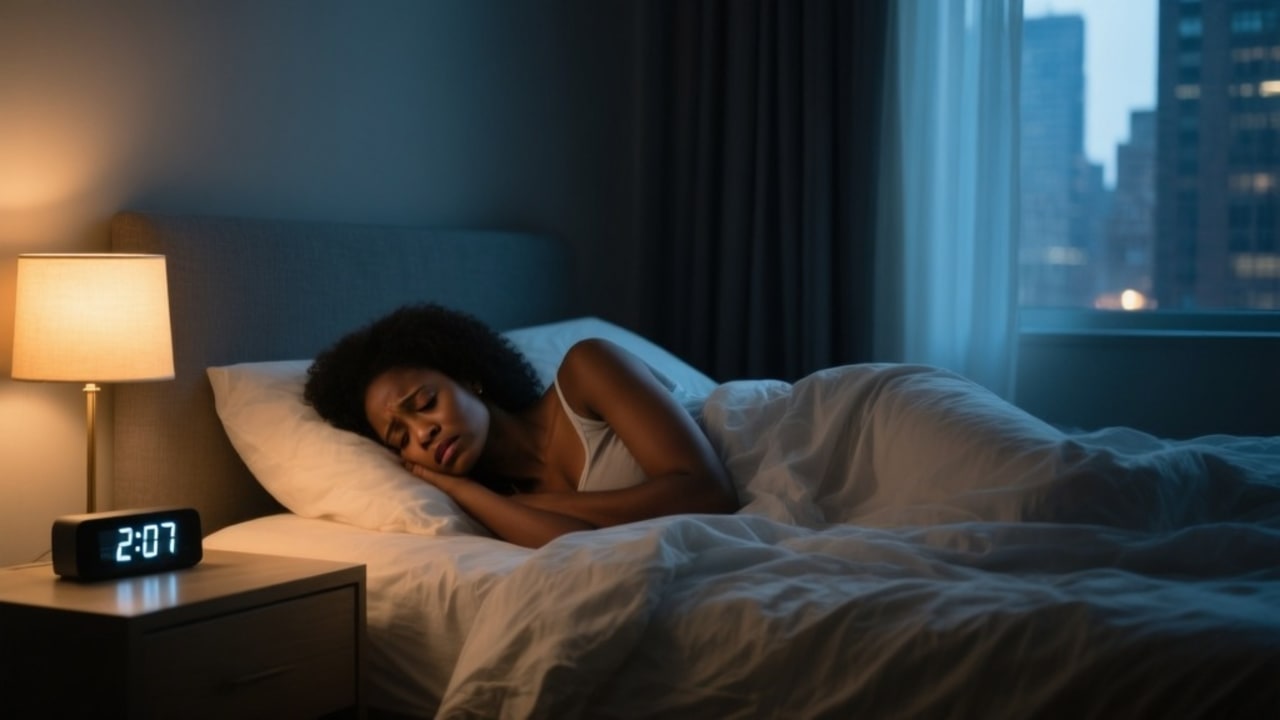
You woke up “on time,” got seven hours, and still feel hungover. Coffee helps…until it doesn’t. Here’s the thing: it might not be the amount of sleep. It’s the timing.
Small shifts—late-night scrolling, missed morning light, dinner at 10pm—nudge your internal clock off beat. And when your clock gets messy, your health pays. A Stanford Medicine analysis in 2025 even linked clock changes like daylight saving time to higher rates of obesity and stroke.
Most people blame stress or willpower. The real culprit, more often than we think, is circadian rhythm disruption—your body’s timing system getting out of sync with your day.
- Timing > total: When you sleep, eat, and get light can matter as much as how much.
- Morning daylight and a consistent wake time anchor your body clock—weekends included (within ~1 hour).
- Earlier meals may support glucose and weight control more than “perfect” late dinners.
- Blue light after 9pm can shift your clock later; dim/warm light may help.
- Counterintuitive: A 20–30 minute earlier wind-down most nights can feel better than sleeping in.
Your body runs on timing signals—not just hours slept
Think of your brain like an orchestra conductor and your organs as sections—heart, liver, gut, muscles. Light, meals, movement, and temperature are the cues that keep them in sync. When those cues arrive at odd times, the music turns dissonant.
An American Heart Association report in 2025 highlighted that circadian disruption—through mistimed light, sleep, meals, or exercise—can raise risk for cardiovascular disease, obesity, Type 2 diabetes, and high blood pressure. It’s not just “bad sleep”; it’s misaligned biology increasing strain on your heart and metabolism.
Picture this: you eat a large meal at 10:30pm under bright LEDs and then try to conk out. Your gut and liver receive a “midday” signal, while your brain says “night.” That mismatch may blunt melatonin, impair glucose handling, and fragment sleep.

Tiny clock shifts, big effects: DST and social jet lag
A one-hour clock change sounds trivial—until your body treats it like a time-zone jump. A 2025 analysis by Stanford Medicine estimated that keeping a stable clock (permanent standard time) could mean roughly 2.6 million fewer people with obesity and 300,000 fewer strokes in the U.S. over time. That’s how sensitive our physiology is to timing.
Now zoom in on everyday life. “Social jet lag” is when your weekday and weekend schedules are out of sync—say, up at 6:30am Mon–Fri and 9:30am on weekends. Your clock can drift late, making Mondays feel like a flight east every week.
You know that feeling when Monday morning hits like a wall? That grogginess isn’t a character flaw. It’s your circadian system trying to re-enter a rhythm it just lost.
Mood rides the clock—especially in younger adults
Sleep timing and mental health are intertwined. A Brown University CME review in 2025 outlined how misaligned sleep and delayed circadian phase relate to higher symptoms of depression and anxiety in adolescents—a pattern that often extends into early adulthood.
If you’re a natural night owl forced into early starts, your internal signals for alertness, appetite, and mood may be chronically out of phase. Over weeks, that friction can look like low energy, irritability, and more “wired but tired” evenings.
Most people have been there—pushing late into the night to “catch up,” then lying awake, mind racing. Shifting your clock earlier by small, steady steps may help your mood catch up, too.

Immunity and inflammation: when clocks fall out of sync
Our immune system follows a daily rhythm. A peer‑reviewed 2021 review on PubMed Central summarized evidence that circadian misalignment can amplify inflammatory signals and alter how we respond to infections. Timing matters—down to when we get light, move, and rest.
Ever notice you crash with a cold after a red‑eye flight or a chaotic week? Part of that may be your clock losing its pattern, which can reduce sleep quality and tweak immune responses just when you need them steady.
That said, this is influence—not destiny. Small timing nudges can support steadier sleep, calmer inflammation patterns, and better day‑to‑day energy.
Why this matters
Because timing shows up in the mundane: when your kid’s soccer game runs late, when the only workout slot is 9pm, when your team meets early on Zoom. Real life isn’t a sleep lab. But your clock still keeps score.
The goal isn’t perfection. It’s fewer big swings: a little more morning light, slightly earlier meals, a steadier wake time. Over months, these micro‑shifts may move risk markers in the right direction while making Mondays less brutal.
“Your body isn’t asking for more willpower—it’s asking for better timing.”
What you can do today
- Get 5–20 minutes of outdoor light within an hour of waking. Research suggests morning daylight may help anchor your clock and improve sleep timing.
- Keep your wake time steady (±60 minutes) all week. Consistency may help reduce “social jet lag” and Monday drag.
- Shift dinner 30–60 minutes earlier. Earlier, lighter evening meals may support glucose and weight regulation compared with late, heavy dinners.
- Dim and warm your evening light after 9pm. Lower blue light may help your body make melatonin and wind down.
- Time caffeine before early afternoon. Cutting it after ~2pm may reduce sleep latency and late‑night alertness.
If you’re dealing with shift work, chronic insomnia, or mood symptoms, consider asking a clinician about tailored strategies—like timed light exposure, gradual schedule shifts, or cognitive behavioral therapy for insomnia. There’s no one‑size‑fits‑all, but small, steady changes tend to stick.
Frequently Asked Questions
Many people can move their clock ~15–30 minutes every few days with morning light, a consistent wake time, and slightly earlier meals. Faster shifts are possible but may feel rough—slow and steady is usually more sustainable.
A 2025 Stanford Medicine analysis linked clock changes to small but meaningful increases in obesity and stroke at the population level. One hour matters—aim to stabilize your schedule during the change and get extra morning light.
Not necessarily. If life demands early starts, gradual earlier timing and morning light may help. If you have flexibility, aligning work and workouts closer to your natural rhythm can be more realistic—just keep your routine consistent.