Picture this: it’s 2 a.m., you’ve tried the herbal tea, the no-screens rule, the perfect pillow—yet your eyes are pinned open. You blame work, your phone, maybe that late latte. But here’s the thing: for many people, the real culprit isn’t in your calendar or your cup. It’s in your nervous system.
Most people tie insomnia to stress or “bad habits.” Legit. But insomnia can also start—or get stuck—because of neurological factors: how your brain regulates arousal, breathing, movement, and your sleep-wake clock. When those circuits misfire, you can feel wired-tired all night and foggy all day.
The surprise? Tackling these brain-body loops often requires different moves than typical sleep hygiene. And small, targeted tweaks may help more than another lavender spray.
- Insomnia isn’t just “in your head”—neurological issues like restless legs, sleep apnea, and circadian misalignment can keep you awake.
- Emotional dysregulation and racing heart at night may reflect autonomic imbalance (sympathetic vs. parasympathetic).
- Counterintuitive: A warm shower 1–2 hours before bed can help some people sleep by triggering a core body cool-down.
- Addressing underlying triggers (iron status for RLS, screening for apnea, light timing) may improve both sleep and mood.
- CBT‑I still matters—but pairing it with medical evaluation for neurological sleep disorders can be more effective.
The Brain–Body Loop That Keeps You Awake
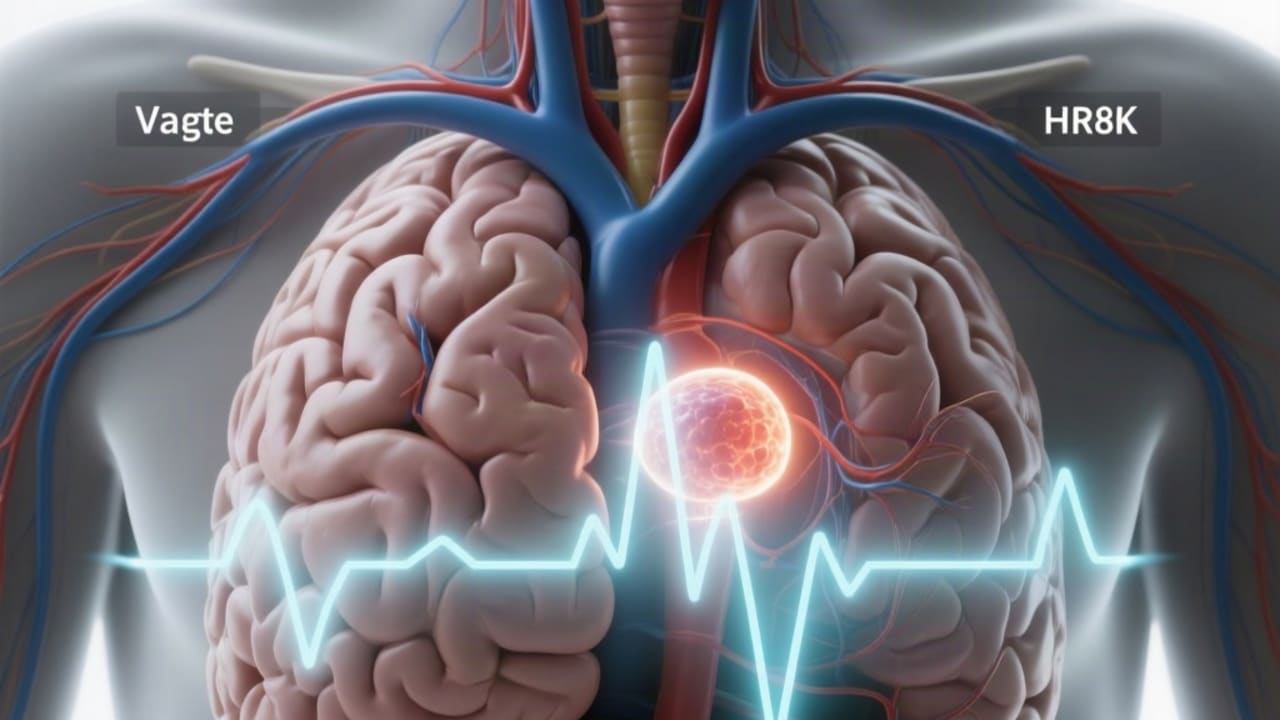
You know that feeling when your brain swears it’s “go time” at midnight? That’s often your autonomic nervous system running hot—more fight-or-flight, less rest-and-digest. A 2023 review in the Yeungnam University Journal of Medicine discussed how insomnia is tied to emotional dysregulation, lower heart rate variability (HRV), and signs of sympathetic dominance—essentially a stuck “on” switch.
Classic experiments by Monroe found poor sleepers ran physiologically hotter at night—elevated body temperature and heart rate—hinting that some insomnia is a body-wide state, not just a busy mind. Picture your foot on a car’s gas pedal, with the brake just out of reach. Even small noises or worries feel like potholes, jolting you awake.
The practical angle: strategies that nudge the parasympathetic system—slow breathing, light stretching, warmth before bed to aid cooling—can help shift that balance. They won’t “knock you out,” but they may lower the volume on nighttime arousal so sleep can happen.
Hidden Neurological Triggers You Might Be Overlooking
Restless legs and night-time movements
If your legs buzz, crawl, or feel “itchy on the inside” at night, you might be dealing with restless legs syndrome (RLS) or periodic limb movements. It’s not just annoying—it fragments sleep before you ever hit deep stages. Some people notice it more after long flights or heavy exercise.
Sleep apnea and your brain
Loud snoring, gasping, morning headaches, or waking with a dry mouth can point to sleep apnea—brief breathing pauses that jolt your brain out of restorative sleep. The Neurology Center for Epilepsy & Seizures notes that lowered nighttime oxygen can impair memory and mood and drive daytime fatigue.
Circadian misalignment
If your brain’s clock runs late, you might get a second wind at 10 p.m. and lie awake until 2. That’s classic delayed sleep-wake phase pattern. Shift work, late-night bright light, and erratic schedules can all push your clock out of sync.
A 2025 medically reviewed report by Healthline summarized common neurological sleep disorders tied to insomnia—including RLS, REM sleep behavior disorder, central sleep apnea, narcolepsy, and circadian rhythm disorders—showing how each can disrupt duration, timing, and quality of sleep.
How Sleepless Nights Shape Memory, Mood, and Focus
Sleep isn’t just “rest.” It’s overnight brain maintenance. A 2023 review accessible via ScienceDirect reported that chronic insomnia is associated with reduced gray matter volume and compromised white matter integrity—changes that may map to dips in attention, working memory, and executive function. It’s a two-way street: cognitive decline can worsen insomnia, and insomnia may accelerate cognitive issues.
Most people have been there—snapping at a partner after a short night or forgetting why you opened the fridge. That’s not you “being dramatic.” It’s your brain running low on deep and REM sleep, which help regulate emotion and consolidate memory. The real kicker: better sleep quality often lifts mood and sharpens thinking more than an extra cup of coffee ever could.

When Insomnia Signals Something Bigger
Insomnia can show up alone—or as a clue. If you’re acting out dreams, waking gasping, or needing to move your legs to get relief at night, that’s worth a medical conversation. Neurological conditions like Parkinson’s disease, epilepsy, and neuropathies are linked with sleep problems; addressing the underlying condition can improve sleep. The Neurology Center for Epilepsy & Seizures highlights how identifying the specific sleep disorder is key to restoring healthier patterns.
Think of insomnia as your dashboard warning light. You don’t have to panic—but you also don’t ignore it. A clinician can help rule in or out treatable drivers (iron deficiency in RLS, apnea risk, circadian delay) and tailor next steps.
Why This Matters
Because sleep is the fabric your days are cut from. Better sleep can mean fewer 3 p.m. crashes, more patience with your kids, and workouts that finally feel strong again. It’s not about perfect routines; it’s about understanding your biology so you can work with it.
“When you treat the nervous system that’s keeping you awake, the late-night spiral starts to loosen.”
If you’ve tried “sleep tips” and still feel stuck, you’re not broken. You might just need a different map—one that includes your brain, your breath, and your body’s clock.
What You Can Do Today
- Run a 2‑week sleep log noting bedtime, wake time, awakenings, snoring/gasping (ask a partner), leg discomfort, and evening light exposure. Patterns may reveal next steps.
- Test gentle nervous‑system downshifts 60–90 minutes before bed: 5 minutes of slow nasal breathing (about 6 breaths/min), light stretching, or a warm shower to support the body’s natural cool‑down. These may help transition out of “wired.”
- Time your light: get 5–10 minutes of outdoor light within an hour of waking, dim overhead lights 90 minutes before bed, and use warm-tone lamps. This may support circadian alignment.
- Screen for common drivers: If you have leg urges at night, ask a clinician about ferritin/iron testing (low iron can worsen RLS). If you snore or wake choking, discuss apnea screening. CBT‑I can still be helpful, especially alongside treating these issues.
- Mind stimulants and timing: Caffeine after lunch and late intense workouts may keep some people wired. Experiment with moving them earlier and see if sleep improves.
These steps won’t “fix” insomnia overnight, but they can give you real data and open a conversation with your doctor or a sleep specialist. If you’re on medications or have a neurological condition, get personalized guidance before making big changes.
Sleep can feel stubborn—until you address the loop that’s actually keeping you awake. If this helped, share it with the friend who texts you at 2 a.m. Or explore our next piece on how light timing rewires your sleep clock.
Frequently Asked Questions
Look for clues beyond “can’t switch off”: leg discomfort or urges at night, loud snoring or gasping, acting out dreams, or a strong night‑owl pattern. These signs don’t diagnose anything, but they’re worth discussing with a clinician who can evaluate for RLS, sleep apnea, REM sleep behavior disorder, or circadian issues.
Practices that may raise HRV—slow breathing, light stretching, consistent bed/wake times—can support the parasympathetic system and make it easier to fall asleep. They’re not a cure, but they’re low‑risk tools many people find helpful when used consistently.
Yes—CBT‑I often helps with insomnia symptoms, but outcomes may be better when the underlying disorder is treated too (e.g., CPAP for apnea, iron repletion if ferritin is low in RLS). Ask your provider about combining approaches.