
Most people blame workload when the real driver is a stuck stress loop. You push harder, feel worse, then scroll job listings at midnight wondering what’s broken. It’s not your ambition—your brain and body are signaling overload.
Surveys suggest up to two-thirds of workers now report burnout as a major challenge. And here’s the twist: self-care alone rarely moves the needle. Recovery starts when you train your stress system and your mindset—using tools that fit real life, not just weekends off.
- Burnout recovery works best when you build skills—psychological flexibility, self‑compassion, and nervous‑system calming.
- Two fast tools—slow breathing and progressive muscle relaxation—may reduce tension within minutes.
- Counterintuitive: Trying harder can worsen burnout; doing less with intention (values‑based focus) often helps more.
- Workplaces and communities matter: EAPs, stress‑skills training, and early support can buffer chronic stress.
- Therapies like ACT and CFT show promise for easing exhaustion without needing a life overhaul.
Most people blame workload—burnout is a values and control mismatch
You know that feeling when your calendar runs your day and your work no longer feels like you? That mismatch—less control, fading meaning—fans burnout more than raw hours. The World Health Organization classifies burnout as an occupational phenomenon tied to chronic workplace stress that’s not successfully managed, not a personal failure.
A 2025 editorial in Scientific Reports highlighted psychological factors—optimism, resilience, and especially flexibility—as protective buffers against burnout. Acceptance and Commitment Therapy (ACT) builds that flexibility so you can notice tough thoughts, refocus on what matters, and take the next small step without wrestling your mind all day.
ACT: Do what matters, even when stress shows up
Picture this: your inbox spikes, heart racing. Instead of forcing motivation, ACT asks: what’s the tiniest action aligned with your values right now? Draft the first two sentences. Send one clarifying question. Research summarized in 2025 emphasizes that this kind of psychological flexibility is linked to lower burnout and better functioning across demanding jobs.
CFT: Turn down the inner critic so you can actually recover
Compassion‑Focused Therapy (CFT) helps shift from “not enough” to “system overloaded.” That softer stance isn’t indulgent—it reduces threat states so your brain can problem‑solve. Coverage of science‑based burnout recovery notes CFT strategies (soothing rhythm breathing, compassionate self‑talk) as part of effective plans beyond self‑care slogans.
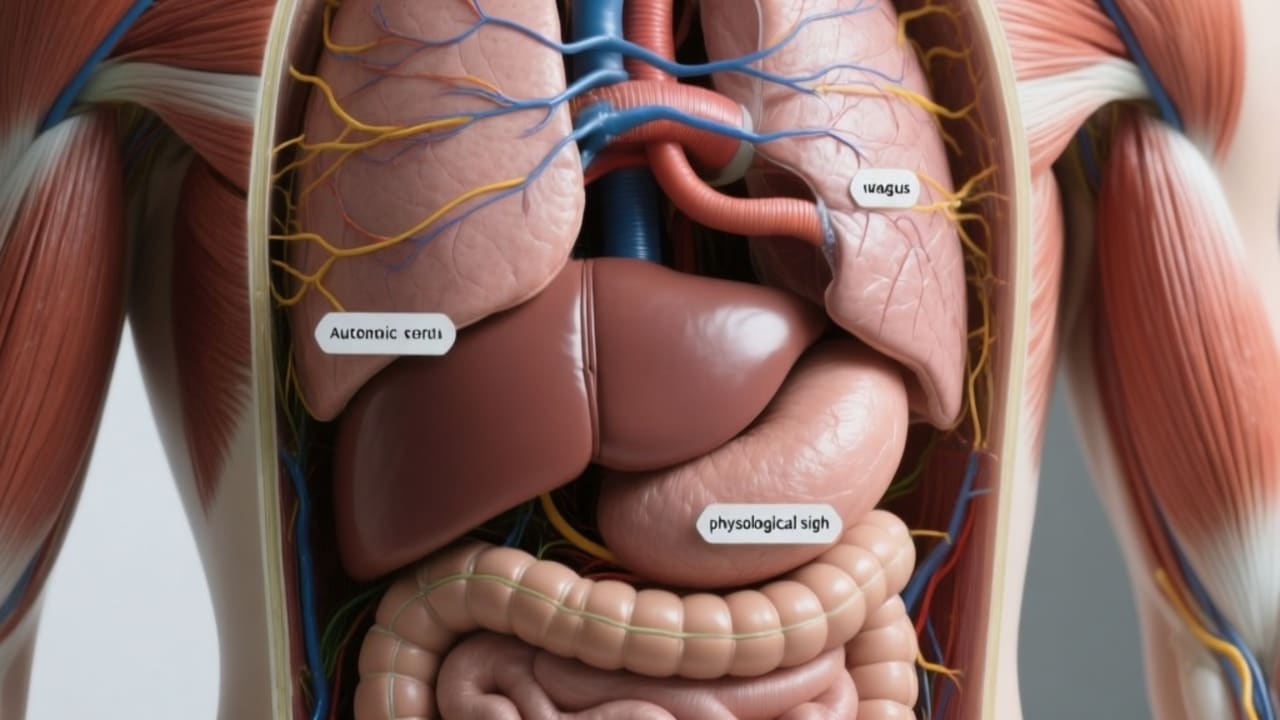
Your nervous system on chronic stress—and the quick resets that help
Burnout isn’t just in your head. It’s your autonomic nervous system stuck on “go.” Muscles stay braced, breathing gets shallow, sleep fragments. Think of it like a car idling high at a red light—you’re not moving, but you’re burning fuel.
A 2019 NIH‑supported study found progressive muscle relaxation (PMR) reduced anxiety, stress, and depressive symptoms. And a 2024 open‑access review on PMC reported that stress management training—breathing practices, PMR, and psychoeducation—can mitigate chronic stress and help prevent burnout across settings.
Two-minute protocols you can use between meetings
Try a “physiological sigh”: inhale through the nose, top it off with a second short inhale, then exhale slowly through the mouth—repeat 3–5 times. Then scan from feet to forehead, tensing then relaxing each area for 3–5 seconds. Most people notice shoulders drop and thoughts quiet. It’s not magic; it’s mechanics.
Skill up, don’t just power through: training beats willpower
White‑knuckling your way through Q3 rarely works. Structured skills—attention training, boundary scripts, and recovery micro‑breaks—are teachable. Stress management programs at work have been linked with fewer burnout symptoms and better coping, according to recent reviews of workplace interventions.
Community matters too. A 2024 review on PMC highlighted that early, community‑based support and resilience training improve coping and reduce downstream mental‑health strain after chronic stress. Translation: if your gym, faith group, or local network offers resilience classes or peer groups, that’s not fluff—it’s protective.
Make recovery ridiculously easy to start
Most people have been there—great intentions, zero bandwidth. Shrink the target: one 90‑second breathing set before lunch, one values‑aligned “win” before noon, one message asking a teammate for help. Design habits so small they survive your worst day.

Self-care isn’t enough—systems matter
You can meditate, hydrate, and still burn out if workload, clarity, and support are missing. Coverage of the burnout crisis stresses science‑based strategies beyond self‑care: ACT/CFT skills training, manager support, and policies that reduce chronic strain.
If your company offers an Employee Assistance Program (EAP), it may include short‑term counseling or coaching. Even one structured conversation can help map values, negotiate priorities, and plan recovery. And if you can safely discuss bandwidth with your manager, pair the ask with a concrete plan: here’s what I can deliver, here’s what moves, here’s the impact.
Why this matters
Because the question isn’t “Am I tough enough?”—it’s “Is my system supported enough to be sustainable?” Burnout recovery is a skill stack you can build, not a personality trait you either have or don’t.
“If it costs your health to keep performing, it isn’t performance—it’s a warning light.”
What does that actually mean for your Monday morning? Smaller, kinder actions repeated often beat heroic fixes you can’t maintain. And when your workplace gets on board, the lift gets lighter fast.
What you can do today
- Run a 2‑minute reset: 3–5 physiological sighs plus a 60‑second PMR scan. Research suggests these may calm arousal and ease muscle tension.
- Name your top value for the day: Ask, “If this day moved the needle on one thing I care about, what’s the next tiny step?” ACT framing may help reduce avoidance.
- Try a self‑compassion break: Acknowledge “this is hard,” note “I’m not alone,” then choose one supportive action. CFT practices may reduce threat and rumination.
- Protect one boundary: Pre‑write a polite no/deferral script you can paste. Stress training programs often include boundary skills because they work.
- Tap available support: If safe, check EAP, HR, or a community group for short‑term coaching or training. Early intervention is linked with better outcomes.
Burnout isn’t a character flaw—it’s a solvable system overload. Share this with a teammate who’s running on fumes, or save it for the next time your brain insists the only option is to grind harder.
Frequently Asked Questions
They can overlap. Burnout is tied to chronic work stress and often eases when demands change; depression affects many areas of life. If low mood, loss of interest, or thoughts of self‑harm persist, seek professional help promptly.
It varies—some people feel better in weeks with skills, rest, and support; others need months and workload changes. Track small gains (sleep, energy, focus) and consider a clinician if symptoms persist.
Both can help. ACT focuses on values and flexibility, which may fit burnout well; CBT targets thinking patterns. A therapist can tailor the approach to your goals and context.