
Most people blame workload when the real cause is sneakier: your stress response is stuck on “go,” even when you’re sitting still. That’s why a vacation helps—until your inbox roars back and the same fog, irritability, and 2 pm crashes return.
Here’s what nobody tells you about burnout: it often starts long before you feel “overwhelmed.” It starts when your body adapts to constant pressure by numbing out. You get efficient, but less present. Productive, but oddly joyless.
The good news? You don’t need a total life overhaul to feel different. Small, evidence-backed resets can quiet the alarm system that’s been blaring in the background.
- Burnout has a body signature—irritability, brain fog, sleep issues, and emotional numbness often show up before full exhaustion.
- Short “nervous system breaks” (breathwork, brisk walks) may reduce reactivity more reliably than long, infrequent escapes.
- Mindfulness and exercise both have solid research behind them; pairing them can amplify benefits.
- Counterintuitive: Feeling detached or “fine” can be a burnout sign—numb isn’t calm.
- Protective skills—optimism, humor, and emotion regulation—are trainable and may buffer future stress.
Burnout, decoded: more than just being tired
Picture this: you finish a big project and feel… nothing. No relief, no pride—just another tab to close. That flatness matters. Burnout isn’t simply “overwork”—it’s a pattern of emotional exhaustion, depersonalization (numbness or cynicism), and feeling less effective.
A 2025 editorial in Scientific Reports reviewed new research across professions and highlighted both system factors (workload, lack of control) and personal buffers like optimism, humor, and resilience that can blunt burnout’s impact. Translation: your context matters—and so do trainable skills.
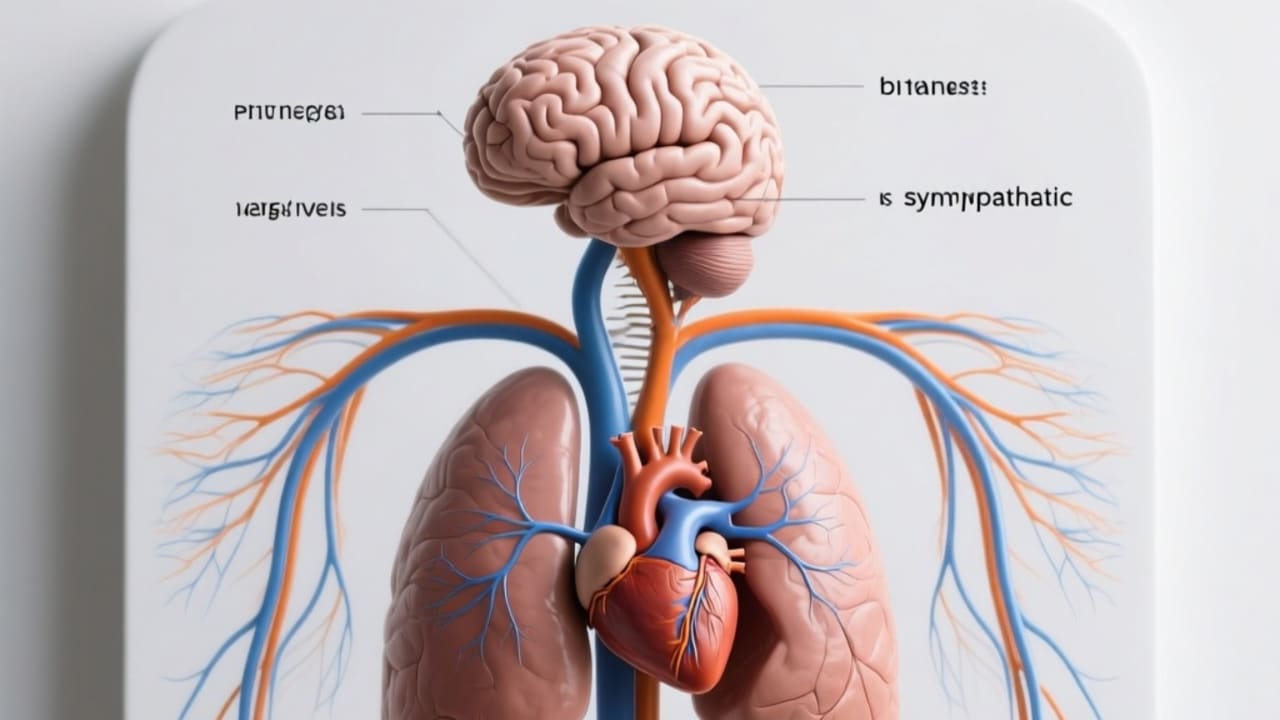
Your stress response on repeat: how burnout builds
Most people have been there—Slack pings, your heart rate ticks up, and suddenly you’re breathing from your chest. When stressors stack, your sympathetic system (fight/flight) becomes the default, and the “rest-and-digest” brake gets rusty. Over time, that can show up as poor sleep, short fuse, and mental fog.
UR Medicine clinicians teach a simple reframe: get curious about stress instead of scrambling to “fix” it. Their mindful practice work suggests that noticing your body’s stress signals with compassion can reduce how threatening they feel—so your nervous system doesn’t spike as hard the next time.
What actually helps: the evidence short list
Move your body (even 10–20 minutes)
A 2023 umbrella review in the British Journal of Sports Medicine found physical activity was broadly effective in reducing symptoms of depression, anxiety, and distress—often with moderate effects. Think brisk walks, cycling, bodyweight circuits—consistency beats intensity.
Train attention (brief mindfulness beats none)
A 2014 JAMA Internal Medicine review reported that mindfulness-based programs can modestly improve anxiety and mood. You don’t need a silent retreat—two to ten minutes of focused breathing or body scans may shift your baseline.
Sleep as a stress tool, not a luxury
Good sleep recalibrates your stress circuitry. Even a consistent wind-down (same 3 steps, same time) can cue safety. Imagine turning your brain from a 20-tab browser to one clean desktop each night.

Emotion regulation is a skill you can train
When hard emotions hit at work, your options aren’t “stuff it” or “spill it.” Skills like cognitive reframing, journaling, and structured relaxation help you experience feelings without being hijacked by them.
Marymount University’s review on counselor burnout highlights intentional emotion regulation—reframing, reflective writing, and relaxation—as research-based ways to lower risk and protect performance. And while a 2011 review of burnout interventions noted mixed methods and limited follow-up in some studies, it also suggested targeted supports can help when consistently practiced.
Why this matters
Because the goal isn’t to white-knuckle through another quarter. It’s to feel like yourself again—clearer, kinder, steadier—without needing a perfect calendar or a cabin in the woods.
Burnout doesn’t mean you’re weak. It means your alarm system got too good at its job—and now needs retraining.
When you can spot your early signals—tight jaw, checklist obsession, that “meh” feeling after wins—you can intervene sooner with tiny resets that add up.
What you can do today
- Try a 60–90 second breath reset: inhale 4, hold 4, exhale 6, hold 2—repeat 6–8 cycles. Research suggests longer exhales may nudge the body toward calm.
- Walk fast for 10–20 minutes. Evidence indicates even short bouts of movement may reduce stress reactivity and lift mood.
- Name it to tame it: write down three emotions you feel right now, then one helpful thought about the situation. This may reduce intensity and improve choices.
- Protect your attention: set one 90-minute focus block with a 20-minute break. Boundary-setting like this can lower context-switch stress.
- Sleep cues: pick a simple wind-down (lights dim, hot shower, phone out of room). Consistency may help your nervous system trust bedtime again.
- If burnout symptoms persist or you feel hopeless, consider reaching out to a licensed mental health professional; personalized support can be crucial.
You’re not behind—you’re adapting. Start with one tiny reset today, share this with a friend who hides their stress well, and come back for more science-backed tweaks that stick.
Frequently Asked Questions
Subtle signs include emotional numbness after wins, irritability over small things, foggy focus, and sleep changes. If these persist, consider simple resets and talk with a clinician if they interfere with daily life.
Some people notice a shift in 1–2 weeks with consistent short sessions (e.g., 10 minutes daily mindfulness, 3–4 brisk walks weekly). Deeper changes may take 6–8 weeks—stick with small, doable steps.
Sometimes. Research suggests stress regulation skills, movement, and boundaries may help. That said, if workload, control, or culture are major drivers, discussing accommodations or role changes with your manager may be worth exploring.