Most people blame stress when their joints ache, skin flares, or energy tanks. But here’s the thing: your plate might be stoking the fire more than your calendar is.
Picture this: lunch was a white-bread sandwich, chips, and a soda. You feel wired, then weirdly wiped, and you’re craving something sweet by 3pm. That roller coaster isn’t just “low willpower.” It’s your immune system reacting to what you ate.
The real kicker? Small, repeatable food moves can cool that response. Not a cleanse. Not a complicated plan. A smarter plate you can build in ten minutes.
- Go fiber-first: Aim for 25–30g/day from beans, oats, veggies, fruit, nuts, seeds.
- Swap fats: Use extra-virgin olive oil, avocado, nuts; eat fatty fish 2x/week.
- Color = polyphenols: Berries, leafy greens, crucifers, herbs, dark chocolate (70%+).
- Upgrade grains: Choose oats, quinoa, brown rice, whole-grain breads/pasta.
- Counterintuitive win: Frozen berries and canned beans are anti-inflammatory MVPs—cheap, fast, and nutrient-dense.
What food-driven inflammation actually looks like
Inflammation isn’t just for sprained ankles. Your immune system also reacts to what passes through your gut. Ultra-processed foods can disrupt gut bacteria, stress the gut lining, and nudge immune cells toward a “hotter” state.
A Harvard Health quick-start guide points to a 2025 report in the journal Nutrients linking ultra-processed foods with changes in gut microbes, damage to the gut barrier, and activation of inflammatory genes—plus higher risks of chronic disease over time. That’s why a rough week of takeout can feel like it’s written on your skin, energy, and mood.
Most people have been there—eat a refined-carb breakfast, crash before noon, then chase it with coffee and a pastry. That’s not a character flaw; it’s physiology. The good news: the same gut-immune system is surprisingly responsive when you start feeding it fiber, color, and healthy fats.
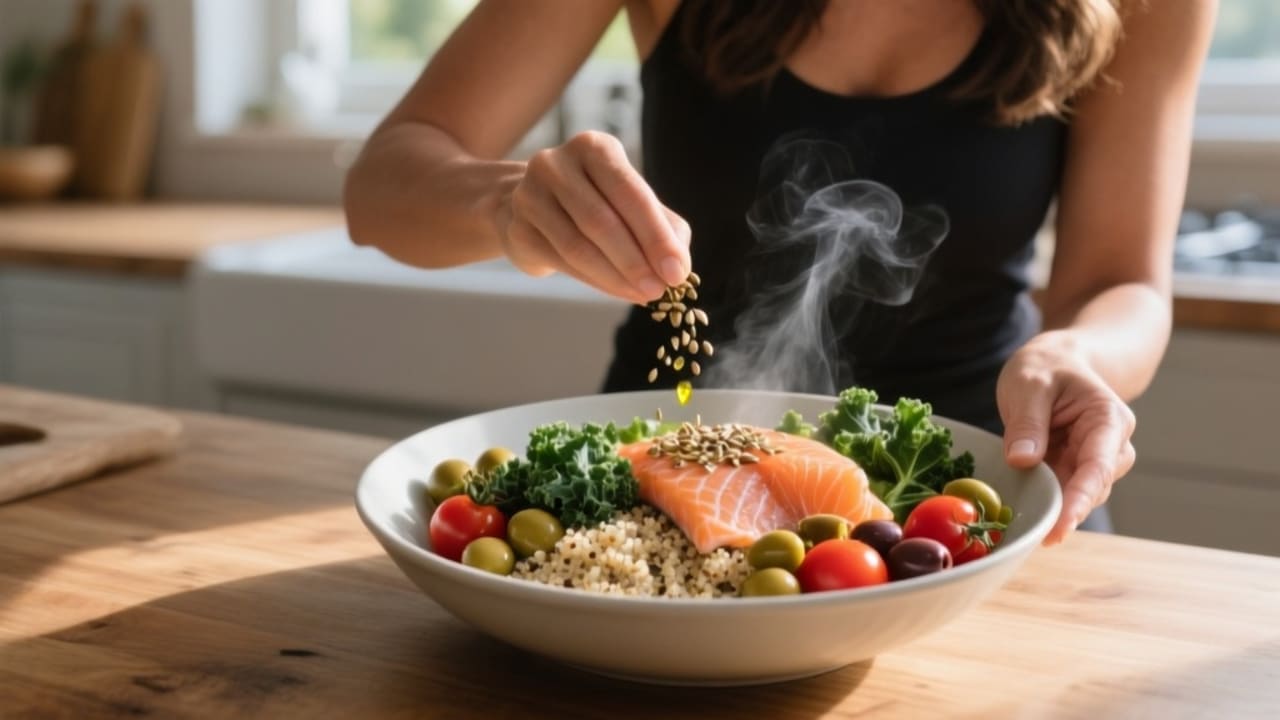
Build your anti-inflammatory plate (the 10-minute method)
1) Fiber first, for your gut
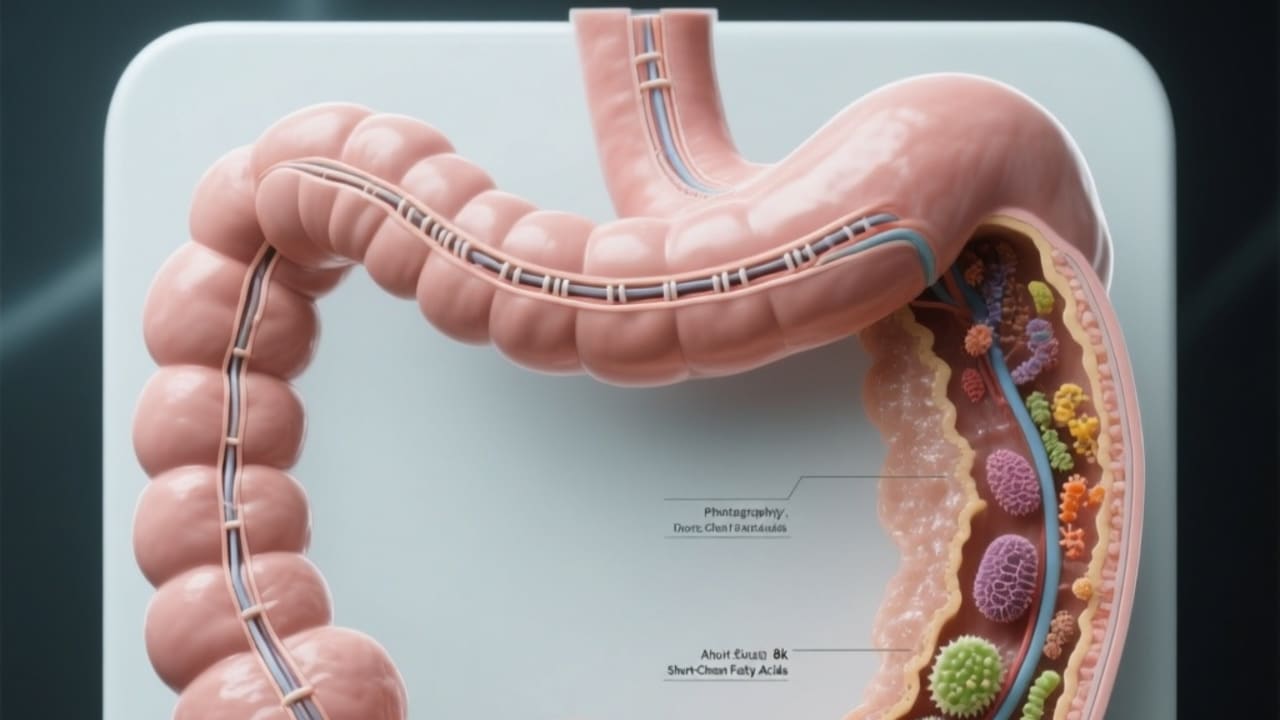
Think of fiber as scaffolding for your microbiome. Beans, lentils, oats, barley, veggies, fruit, nuts, and seeds feed beneficial bacteria that produce short-chain fatty acids—compounds that help keep the gut lining intact and signal immune cells to cool down.
Tim Spector and Dr. Federica Amati at ZOE (2025) highlight diverse plants and fermented foods as a practical way to support a healthier, less reactive gut ecosystem. More plant variety often means more microbial diversity—which tends to track with calmer inflammation.
2) Color for polyphenols
Deeply colored plants—berries, leafy greens, beets, purple cabbage, herbs, spices—are rich in polyphenols that interact with your microbes and immune pathways. A large, colorful salad with olive oil, beans, and nuts is more than “healthy”—it’s biochemistry working in your favor.
A practical rule: aim for three colors at each meal. It’s like upgrading from black-and-white to 4K for your cells.
3) Fats that resolve, not inflame
Extra-virgin olive oil, avocados, nuts, seeds, and omega‑3–rich fish (salmon, sardines, mackerel) supply fats linked with lower inflammatory signaling. Omega‑3s are precursors to specialized pro-resolving mediators—compounds your body uses to “turn off” inflammation once a threat has passed.
The American Heart Association recommends fish twice weekly for general cardiometabolic benefits, which align with an anti-inflammatory pattern. If you don’t eat fish, talk with a clinician about algae-based omega‑3 supplements.
4) Whole grains over refined
Swap white bread, pastries, and most crackers for oats, quinoa, brown rice, farro, and whole-grain sourdough. Whole grains bring fiber, minerals, and a steadier blood-sugar curve—less of the spike-crash drama that can provoke inflammatory signals.
In controlled trials, whole-grain diets have lowered C‑reactive protein (CRP), a blood marker of inflammation, compared with refined grains (for example, research published in the American Journal of Clinical Nutrition has shown this effect).
5) Spices, herbs, and fermentation
Turmeric, ginger, garlic, cinnamon, and rosemary bring flavor and bioactives that may help temper inflammatory pathways. Fermented foods like yogurt, kefir, sauerkraut, kimchi, and miso add live microbes and acids that support the gut.
A 2021 Stanford study in Cell led by Dr. Christopher Gardner found that a fermented-food–rich diet increased microbiome diversity and reduced multiple inflammatory markers in healthy adults. That’s a strong nudge to add a spoonful of kraut or a glass of kefir to your day.
Make it real: swaps, rhythm, and satiety
Most people don’t need a meal plan—they need defaults. Think of “set-and-forget” swaps that meet you where you are. If you’re used to cream cheese on a bagel, try whole-grain toast with avocado and hemp seeds. If pasta is life, do 50/50 whole-grain pasta and lentil pasta with a veg-heavy sauce.
An NIH inpatient trial (Cell Metabolism, 2019) found ultra-processed diets led adults to eat ~500 more calories per day, unintentionally. That matters because excess ultra-processed foods often come bundled with refined starches, added sugars, and low fiber—conditions ripe for inflammatory drift. Swapping toward whole, minimally processed foods can naturally steady appetite and energy.
Real-world rhythm helps too: anchor your day with a protein-veg-fat breakfast (think veggie omelet with olive oil and berries), a fiber-forward lunch (big salad + beans + EVOO + whole-grain crackers), and a colorful, fish-or-legume dinner. Snacks? Nuts, fruit, plain yogurt, dark chocolate (70%+), or roasted chickpeas.

Why this matters
Food choices echo through your mood, sleep, focus, skin, workouts—even how stiff you feel getting out of bed. You don’t need to eat perfectly to feel better; you need a pattern that quietly shifts your baseline.
“The magic isn’t in one superfood—it’s in thousand small, consistent choices your gut and immune system can trust.”
And here’s what’s surprising: you’ll often notice changes fast. Many people report steadier energy and fewer cravings within a week of going fiber-first and cutting back on ultra-processed foods. Deeper shifts—like changes in blood markers—take longer and are worth discussing with a clinician.
What you can do today
- Build one “default” anti-inflammatory lunch: a large salad with 5 plant add-ins (beans, nuts, seeds, colorful veg, olives) and extra-virgin olive oil. Repeat it on autopilot.
- Hit fiber minimums: add 2 Tbsp ground flax to oats or smoothies, include 1 cup beans or lentils most days, and choose whole grains. Gradually increase to avoid GI discomfort.
- Plan your omega‑3s: schedule fish twice this week (salmon or sardines). If you’re plant-based, consider algae DHA/EPA—worth discussing with your doctor.
- Upgrade one snack: swap chips/candy for a handful of nuts and a piece of fruit, or plain yogurt with berries and cinnamon.
- Make one fermented add-on: kefir with breakfast, kimchi alongside bowls, or unsweetened yogurt as a sauce base. Start small if you’re new to ferments.
You don’t need a new identity—just a new default plate. Share this with the friend who “doesn’t have time to eat healthy,” then compare your go-to swaps next week.
Frequently Asked Questions
Coffee is rich in polyphenols and, for many people, is neutral to mildly anti-inflammatory when consumed black or with minimal sugar. If it bothers your sleep or gut, reduce the dose or switch to half-caf and reassess.
Not necessarily. Many people do well focusing on fish, legumes, and poultry most of the week, with smaller portions of minimally processed red meat occasionally. Pairing meat with fiber-rich plants and olive oil may help balance the meal.
Some people feel steadier energy and fewer cravings within 3–7 days of increasing fiber and cutting ultra-processed foods. Changes in labs (like CRP) take longer and should be reviewed with a healthcare professional.