
Most people blame stress, sleep, or “just getting older” when energy tanks and workouts feel harder. But here’s the thing: your body might be nudging you about missing nutrients well before blood tests flag a problem.
Picture this: it’s 3 p.m., your third coffee isn’t touching the fog, and your calves keep cramping at night. Annoying? Yes. Random? Not always. Subtle symptoms like these often trace back to iron, vitamin D, iodine, magnesium, or B12—the quiet workhorses your cells need to make energy, balance mood, and keep muscles and bones steady.
The surprise twist: even health‑conscious eaters can come up short. Between office hours, sunscreen, non‑iodized “fancy” salts, and meds that affect absorption, nutrient gaps are more common than you’d think.
- Fatigue + brain fog often point to low iron, B12, or vitamin D—worth discussing testing if they linger.
- Sunlight and salt matter: limited sun lowers vitamin D; many sea salts aren’t iodized, which can affect thyroid function.
- Meds can deplete: Metformin may lower B12; long‑term PPIs are linked with low magnesium—ask your clinician.
- Food first, smart tests second: build a nutrient‑dense plate, then confirm with targeted labs before supplementing.
- Counterintuitive: “Natural” sea salt often has less iodine than plain iodized table salt.
The usual suspects behind low energy
If your day feels uphill from breakfast, iron, vitamin D, and iodine are prime suspects. Iron helps transport oxygen; vitamin D supports muscle and bone; iodine supports thyroid hormones that set your metabolic “thermostat.”
A 2024 analysis in The Lancet Haematology estimated anemia (often from iron deficiency) affects roughly a quarter of the global population, especially women of reproductive age. U.S. data show vitamin D deficiency is widespread too: a CDC analysis of NHANES (2011–2014) reported sizable gaps, with higher rates in people with limited sun exposure and darker skin. And while iodized salt programs helped, a 2022 review in Thyroid noted mild iodine deficiency persists in some groups, including people who avoid iodized salt or eat mostly home‑cooked whole foods with specialty salts.
Relatable snapshot: you crush your workout routine but your legs feel oddly heavy, and rest days don’t help. When oxygen delivery or muscle function is off—think low iron or D—effort feels higher for the same run or lift.
Hidden causes you might be missing
Sometimes the gap isn’t about “bad” choices—it’s routine life. Desk jobs and sunscreen mean less UV exposure for vitamin D synthesis. Cooking with sea salt (not iodized) can trim iodine intake. And high‑sodium, ultra‑processed foods often crowd out potassium‑ and magnesium‑rich plants.
Medications matter too. The American Diabetes Association highlights that metformin can lower B12 over time—worth checking if you’ve been on it for years. A 2023 review in Nutrients also links chronic proton‑pump inhibitor (PPI) use with low magnesium (hypomagnesemia). And for athletes or heavy sweaters, an American Heart Association report notes potassium helps balance the blood‑pressure effects of sodium, but many adults don’t hit the recommended intake.
Most people have been there—new job, takeout streak, skipped produce runs—and suddenly cramps and brain fog creep in. The fix isn’t guilt; it’s rebuilding an easy baseline of nutrient‑dense foods and, if needed, targeted testing.
7 subtle signs your body is asking for backup
These are signals—not diagnoses. If a symptom hangs around or worsens, see a clinician. But pairing patterns with food tweaks can help you course‑correct sooner.
1) You’re wiped out by mid‑day
Possible gaps: iron, B12, vitamin D. Iron supports red‑blood‑cell oxygen delivery; B12 is essential for nerve and blood cell health; low D can feel like persistent fatigue. A 2023 review in Nutrients linked vitamin D deficiency with lower muscle performance and tiredness in some adults. Try: add iron‑rich foods (beans, lentils, tofu, beef, oysters), pair plant iron with vitamin C (citrus, peppers) to boost absorption, and include D sources (fatty fish, fortified milk/plant milks, eggs).
2) Night cramps or twitchy calves
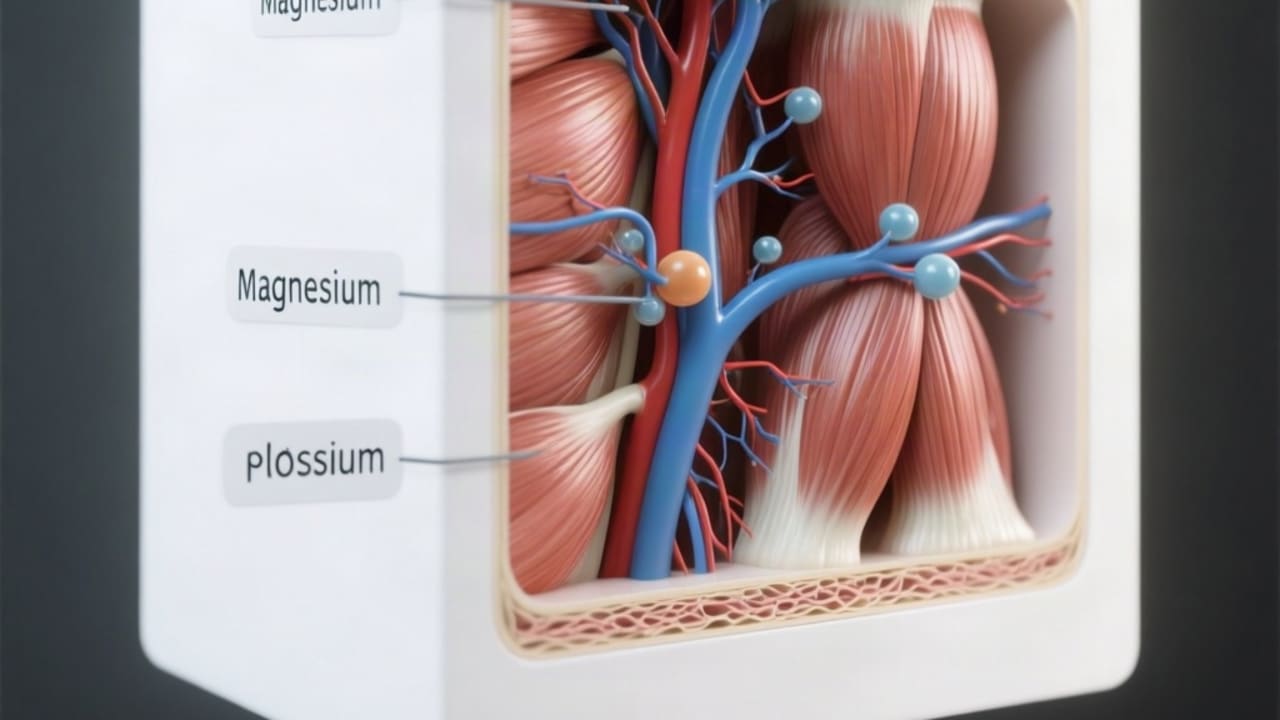
Possible gaps: magnesium or potassium—especially if you sweat heavily or use diuretics/laxatives. Magnesium helps muscles relax; potassium balances fluid and nerve signals. A 2021 article in Nutrients reviewed magnesium’s role in neuromuscular function, noting low levels can present as cramps or twitches. Try: leafy greens, beans, avocados, bananas, potatoes, yogurt, and mineral water rich in magnesium.
3) Bone aches or achy workouts
Possible gaps: vitamin D and calcium. Low D can feel like diffuse muscle or bone aches after normal activity. The Endocrine Society notes persistently low 25(OH)D is linked with bone pain and weakness. Try: safe sun (short, regular midday bursts depending on skin tone and climate), fortified dairy/plant milks, sardines, canned salmon with bones, tahini.
4) Brain fog, low mood, or “flat” motivation
Possible gaps: B12, iron, omega‑3s, vitamin D. B12 and iron help make neurotransmitters; omega‑3s support brain structure. A 2022 umbrella review in Molecular Psychiatry suggested low omega‑3 status is associated with depressive symptoms in some groups. Try: eggs, clams, nutritional yeast or fortified plant milks (for B12), and fatty fish or algae‑based omega‑3s.
5) Brittle nails, hair shedding, or mouth corners that crack
Possible gaps: iron, zinc, riboflavin (B2). Low iron can show up as spoon‑shaped or brittle nails; B‑vitamin gaps can trigger angular cheilitis (cracked corners). A 2020 review in Dermatology and Therapy linked specific nail and skin changes with micronutrient insufficiencies. Try: pumpkin seeds, lentils, eggs, oysters, and a variety of whole grains.
6) Feeling cold or slower than usual
Possible gap: iodine (via thyroid hormone production). While not the only cause of feeling chilled, low iodine over time can reduce thyroid hormone synthesis. A 2022 paper in Thyroid noted that relying on non‑iodized salts and avoiding dairy/seafood can lower iodine intake. Try: use iodized table salt at home, include dairy or eggs if you eat them, or enjoy seaweed in moderate amounts (nori sheets are typically lower in iodine than kelp).
7) Frequent colds or slow‑healing scrapes
Possible gaps: vitamin C, zinc, vitamin D, protein. Your immune system runs on raw materials. A 2020 Nutrients review discussed how marginal vitamin D and zinc status may increase susceptibility to infections. Try: citrus, kiwi, bell peppers, chickpeas, poultry, yogurt, and sunlight or fortified foods for vitamin D.

Testing smarter (and supplementing sanely)
Before loading up a supplement cabinet, match symptoms with targeted labs and your personal risks. Helpful blood tests to discuss: complete blood count (CBC) with ferritin (iron stores), B12 (and possibly methylmalonic acid if B12 is borderline), 25‑hydroxy vitamin D, and a basic metabolic panel (potassium). Thyroid testing (TSH, free T4) evaluates thyroid function; iodine is usually assessed with urinary iodine in populations, not routinely in individuals.
Screening every adult for vitamin D isn’t universally recommended—USPSTF (2021) found insufficient evidence for routine screening in asymptomatic adults—so your clinician will weigh symptoms and risks. The NIH Office of Dietary Supplements provides upper limits: for example, vitamin D (4,000 IU/day for adults) and iodine (1,100 mcg/day). More isn’t better; excessive iodine can backfire on thyroid function, and high‑dose iron can be harmful if you’re not truly low.
Think of supplements like a seatbelt: useful when needed, not something you wear around the house. Food patterns do the daily heavy lifting; labs help you target what truly needs support.
Why this matters
When energy drops, workouts stall, or mood slides, it doesn’t just affect your to‑do list—it shapes your relationships, your patience, your weekends. Knowing how to read your body’s “check engine” light gives you options that beat random Googling and guesswork.
“You don’t need a new you—just the missing pieces your current you already runs on.”
And that’s empowering. It turns frustration into a plan: small food shifts now, thoughtful tests if symptoms linger, and only then supplements with a purpose.
What you can do today
- Swap your salt: keep iodized salt in the kitchen and use it for most cooking; save flaky sea salt for finishing.
- Build a “nutrient floor” at meals: include one leafy green (magnesium), one bean or lentil (iron, zinc), and one fruit/veg high in vitamin C to boost iron absorption.
- Sunlight, safely: research suggests brief midday sun (10–20 minutes, skin tone and location dependent) may help vitamin D—ask your clinician what’s appropriate for you.
- Review meds with your doctor: if you’re on metformin or long‑term PPIs, discuss checking B12 or magnesium and whether diet or dosing adjustments may help.
- Test before you megadose: if fatigue, cramps, or brain fog persist, targeted labs (CBC with ferritin, B12, 25(OH)D) can guide smarter, safer supplementation.
Your body is communicating. When you know the language, small choices—more beans and greens, iodized salt, a sunny walk—can shift how you feel this week. If this helped clarify a few lightbulbs, pass it to the friend who’s always “mysteriously tired.” You might solve it together.
Frequently Asked Questions
It varies. Iron and B12 stores can take weeks to months to rebound, while hydration and potassium from food may affect cramps within days. If symptoms persist past 4–8 weeks of consistent changes, talk with your clinician about testing.
It can be. Many specialty and sea salts aren’t iodized. If you rarely eat dairy, eggs, or seafood, using iodized table salt for most cooking is a simple way to support iodine intake without high‑dose supplements.
Some people find magnesium helpful, especially if intake is low or they use medications that lower magnesium. Evidence is mixed, so food sources are a safe starting point; if you try a supplement, discuss dose and form with a clinician, particularly if you have kidney issues.