
Most people blame stress or sleep for the afternoon crash — when the real spark may be low-grade inflammation quietly smoldering from what’s on your plate. You feel “puffy,” your rings fit tighter, your brain feels foggy after lunch. Sound familiar?
Here’s the thing: you don’t need a cleanse, a supplement stack, or a total kitchen do-over. A few strategic food shifts can calm that internal heat — and you’ll notice it where it counts: steadier energy, better digestion, and fewer “why am I so tired?” afternoons.
- Chronic, low-grade inflammation can show up as fatigue, brain fog, and bloating — not just pain.
- Fatty fish, extra-virgin olive oil, berries, whole grains, and fermented foods may help cool inflammation.
- Ultra-processed foods (UPFs) are strongly linked to higher inflammatory risk and gut disruption — even “healthy” protein bars can qualify.
- Counterintuitive: a fermented-foods routine reduced inflammatory markers more than extra fiber in one randomized trial.
- Small swaps — EVOO over seed oils, yogurt over milk, oats over white toast — add up fast.
The “quiet fire” you can feel — but can’t see
Picture this: you crush a morning workout, grab a “light” pastry and latte, then spend the next two hours riding a blood-sugar rollercoaster. That surge-and-crash pattern can nudge your immune system toward a low, steady simmer — more like an ember than a flame.
A large 2020 Nature Medicine study (the PREDICT program) tracked people’s responses after meals and linked bigger post-meal blood fat spikes with higher GlycA — a marker of systemic inflammation — and poorer metabolic health. Translation: what happens in the 2–4 hours after you eat can set your inflammatory tone for the day.
The upside? Food choices that blunt those swings — more fiber, polyphenols, omega‑3s, and fermented foods — may help dial the volume down.
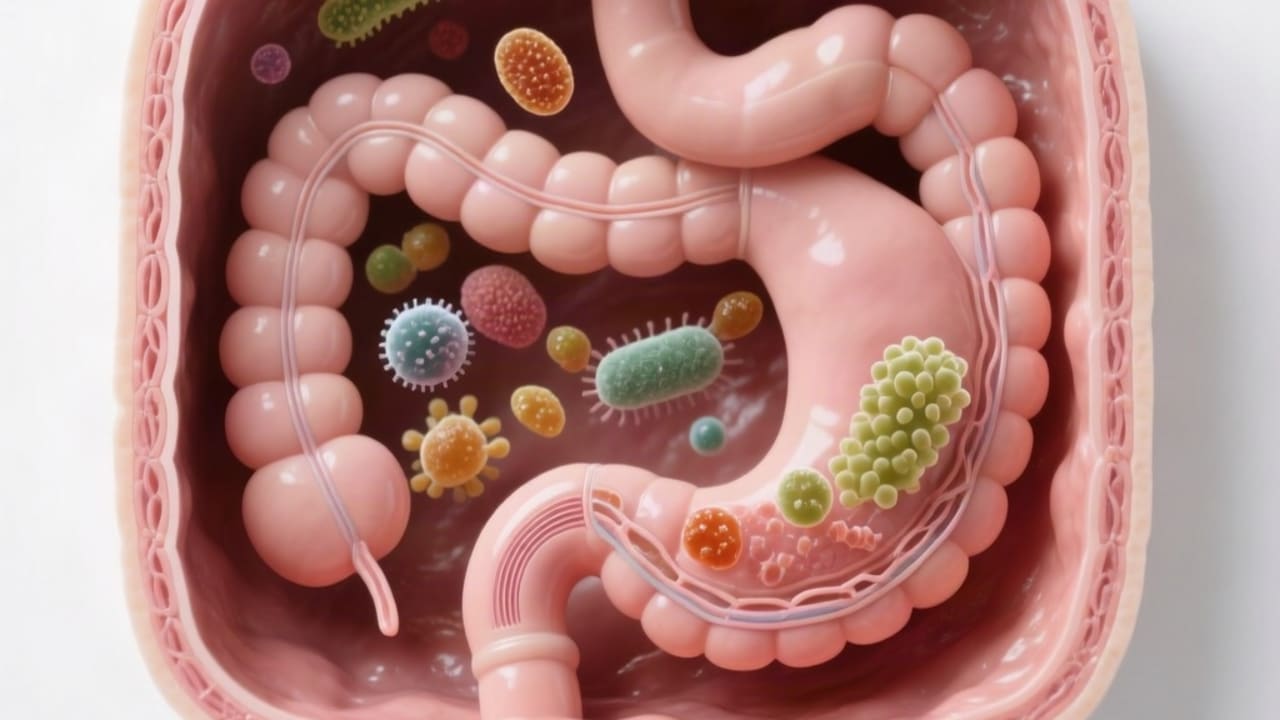
7 anti-inflammatory foods to put on repeat
1) Fatty fish (salmon, sardines, mackerel)
Omega‑3s (EPA/DHA) help your body make resolvins — compounds that may help end the inflammatory response. A 2019 meta-analysis in Nutrients reported modest reductions in C‑reactive protein (CRP) with omega‑3 intake. Aim for two 4–6 oz servings weekly or consider an algae-based DHA/EPA supplement if you’re plant-based (check with your doctor).
2) Extra-virgin olive oil (EVOO)
High‑polyphenol EVOO contains oleocanthal — it even has an ibuprofen-like throat “sting.” In a subanalysis from the PREDIMED trial, participants assigned to a Mediterranean pattern rich in EVOO saw reductions in inflammatory markers over time. Use EVOO as your default cooking and finishing fat.
3) Berries (especially dark, colorful varieties)
Anthocyanins give berries their color and may dampen inflammatory signaling. A 2019 meta-analysis in Nutrients associated anthocyanin-rich foods with lower CRP and improved endothelial function. Frozen berries are budget-friendly and just as potent — toss into yogurt, oats, or smoothies.
4) Cruciferous vegetables (broccoli, cabbage, arugula)
These deliver glucosinolates that convert to sulforaphane — a compound that activates your body’s Nrf2 pathway, involved in antioxidant and anti-inflammatory responses. Lightly chop and let sit for 5–10 minutes before cooking to maximize sulforaphane formation; add a pinch of mustard powder if you’re cooking thoroughly.
5) Fermented foods (yogurt with live cultures, kefir, kimchi, sauerkraut, miso)
A 2021 randomized trial from Stanford published in Cell found that a 10‑week fermented-foods routine increased microbiome diversity and reduced 19 inflammatory proteins. Start with 1–2 servings per day (e.g., ¾ cup kefir or ½ cup sauerkraut) and build from there as tolerated.
6) Whole grains (oats, quinoa, whole‑wheat, barley)
Replacing refined grains with whole grains adds fiber and polyphenols that feed gut microbes. In an American Journal of Clinical Nutrition randomized crossover trial, a whole‑grain diet lowered CRP compared to refined grains. Think steel‑cut oats, whole‑grain sourdough, or barley in soups.
7) Dark chocolate (70%+ cocoa) — the happy wildcard
Cocoa flavanols support vascular function and may nudge inflammation down. A 2020 meta-analysis reported small but meaningful improvements in endothelial health, with some trials noting CRP reductions. Keep portions mindful (about 1 oz) and choose minimally processed, high‑cocoa bars.
Simple plate formula: build around plants (half your plate), add quality protein (palm-sized), plenty of EVOO, and one fermented side. It’s Mediterranean at heart — flexible enough for meat-eaters and vegans.
Food that fans the flames (and sneaks into “healthy” diets)
You know the obvious culprits — fast food, sugary snacks — but ultra‑processed foods also include many “better-for-you” bars, diet breads, and flavored yogurts with long ingredient lists. They’re engineered to be easy to overeat and often displace fiber‑rich, whole foods.
In a tightly controlled 2019 NIH metabolic-ward study published in Cell, people ate about 500 extra calories per day on a UPF diet versus a minimally processed one — and gained weight in two weeks. Extra weight can amplify inflammatory signaling over time.
Observational research in the BMJ (2021) also linked higher UPF intake with increased risk of inflammatory bowel disease. While it doesn’t prove cause, it reinforces a simple move: cook more from ingredients and choose foods your great‑grandparents would recognize.

Personalize it with your gut — because responses vary
Most people have been there — your friend thrives on chickpeas, you get bloated. Different guts, different responses. That’s not failure; it’s biology. The PREDICT program’s 2021 Nature Medicine work tied specific gut microbe profiles to healthier post‑meal responses and lower inflammation‑linked markers, suggesting your microbiome helps set your tolerance dial.
What’s surprising: in the 2021 Cell trial, a fermented‑foods pattern decreased multiple inflammatory markers, while adding high fiber alone didn’t move them as much in the short term. Over months, combining both — diverse plants plus fermented foods — may be the sweet spot for many people.
Use your body as feedback. Track meals and how you feel 2–4 hours after: energy, digestion, focus. Tweak portions, timing, and food combos until your post‑meal curve feels steadier.
Why this matters
Because inflammation shows up in real life — the 3 p.m. crash before a big meeting, the knees that nag after a flight, the skin that flares when you’re stressed. Food won’t fix everything, but it can shift your baseline from “always on edge” to “quietly resilient.”
“Eat in a way that calms your system — so your body spends more time repairing, less time reacting.”
And it doesn’t have to be perfect. A little more EVOO, a few more berries, a scoop of sauerkraut — repeated often — can make your week feel very different.
What you can do today
- Build an anti-inflammatory breakfast: oats or whole‑grain toast, plain yogurt or kefir, and a cup of mixed berries. This combo may steady blood sugar and support your gut.
- Swap your cooking fat: use extra‑virgin olive oil for sautéing and salads. Research suggests EVOO’s polyphenols may support anti-inflammatory pathways.
- Add 1–2 fermented servings daily: kimchi with eggs, miso in soup, or kefir as a snack. The Stanford trial suggests fermented foods may lower inflammatory markers.
- Plan two fish nights this week: salmon, trout, sardines, or mackerel. If you don’t eat fish, discuss an algae‑based omega‑3 with your clinician.
- Trade UPFs for real-food “fast” options: nuts + fruit, hummus + veggies, high‑cocoa dark chocolate. Fewer labels, more ingredients you can picture.
Choose one swap and repeat it this week. Then stack another. Small, steady changes are how inflammation — and habits — shift.
Frequently Asked Questions
Some people notice steadier energy and less bloating within 1–2 weeks of consistent changes. Deeper shifts in inflammatory markers may take longer. If you have a medical condition, discuss dietary changes and testing with your clinician.
The evidence is mixed. Many seed oils provide polyunsaturated fats that can fit in a healthy pattern. Prioritize extra-virgin olive oil for its polyphenols, minimize ultra-processed foods overall, and keep an eye on your personal response.
Try non-dairy options like sauerkraut, kimchi, tempeh, miso, or coconut yogurt with live cultures. Introduce slowly and monitor tolerance; if you have histamine sensitivity, work with a healthcare professional.