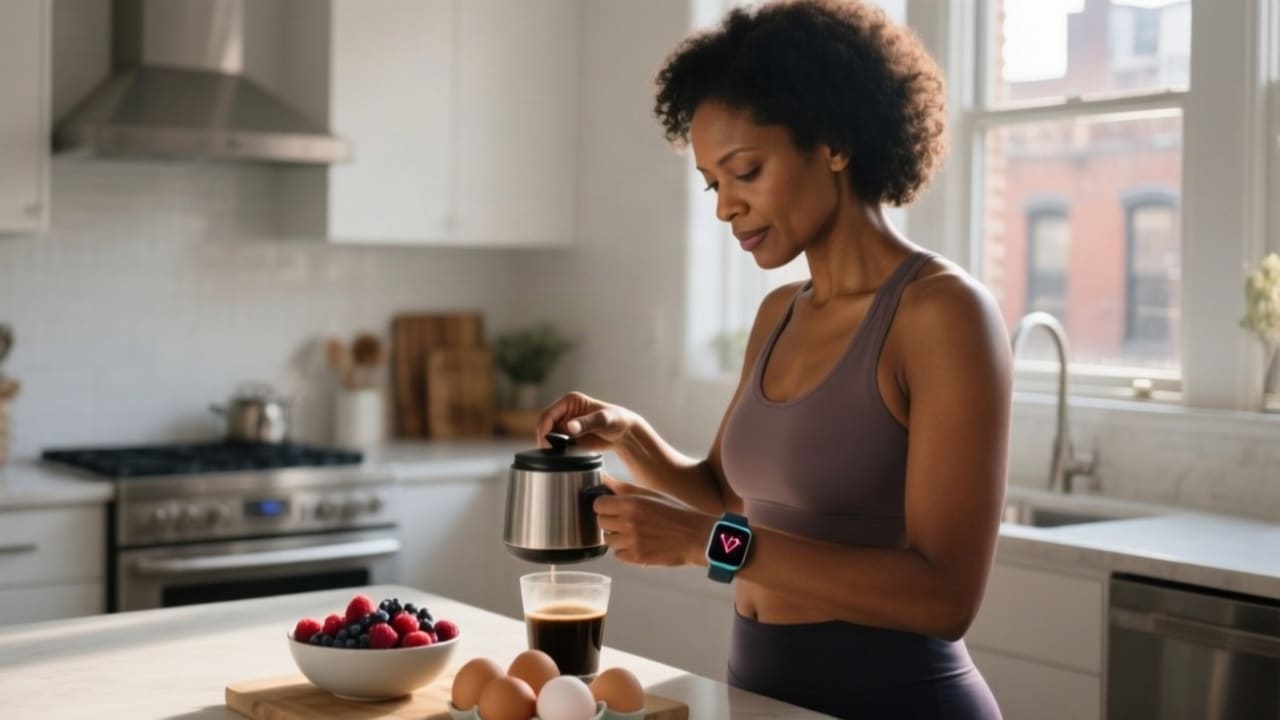
Most people chase hacks. The biggest wins for living longer come from boring, repeatable moves—minutes of walking, real food on a plate, lights out on time. The kind of routine you can do on a Tuesday when your inbox is feral.
Here’s the thing: consistency beats intensity. A 2021 JAMA study linked roughly 7,000 daily steps with 50–70% lower mortality versus the most sedentary peers. That isn’t a 20-mile run. That’s errands, stairs, and one deliberate walk.
- Aim for 6–8k steps most days—you’ll capture most of the benefit without chasing 10k.
- Build plates around plants + protein (olive oil, beans, fish, eggs) to support heart and muscle.
- Protect 7 hours of sleep—and park screens 60 minutes before bed.
- Two strength sessions weekly may help longevity as much as cardio.
- Counterintuitive: “Moderate” alcohol isn’t a health strategy—the 2018 Lancet analysis found no safe level for disease risk.
1) Move like it matters—because it does
Picture this: you’re stuck on calls, then soccer pickup, then dishes. Movement becomes “tomorrow.” Flip it—sprinkle motion into the day. Walk while you voice-note. Squat while the kettle boils. Five-minute bursts count.
A 2019 analysis in The Lancet reported that even activity below formal guidelines is linked to lower mortality—the curve rises early, not only at marathon levels. And that JAMA 2021 steps paper? Hitting around 7,000 steps/day associated with markedly lower death risk compared with fewer than 7,000.
Make it practical
Set a “movement minimum”: 20–30 minutes of walking spread across the day, plus two brief strength sessions per week. Grip strength and leg power predict healthy aging; lifting groceries slower counts as time-under-tension.
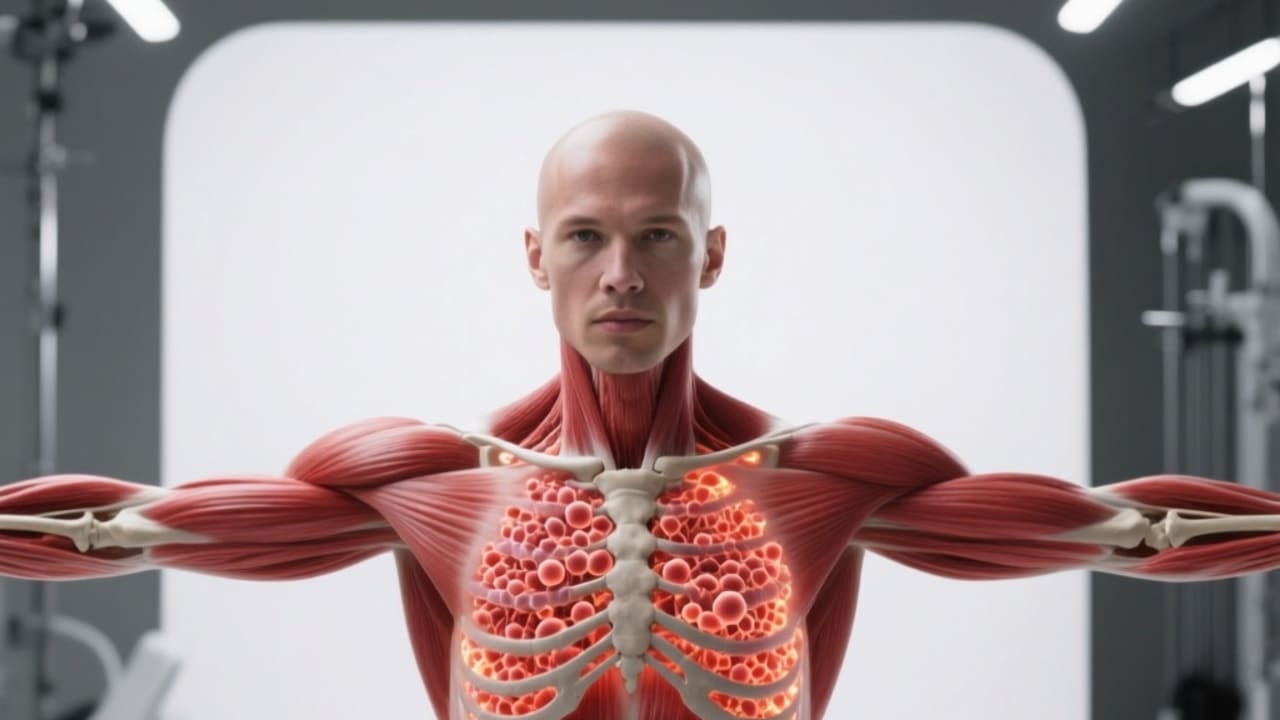
2) Eat mostly plants, add protein on purpose
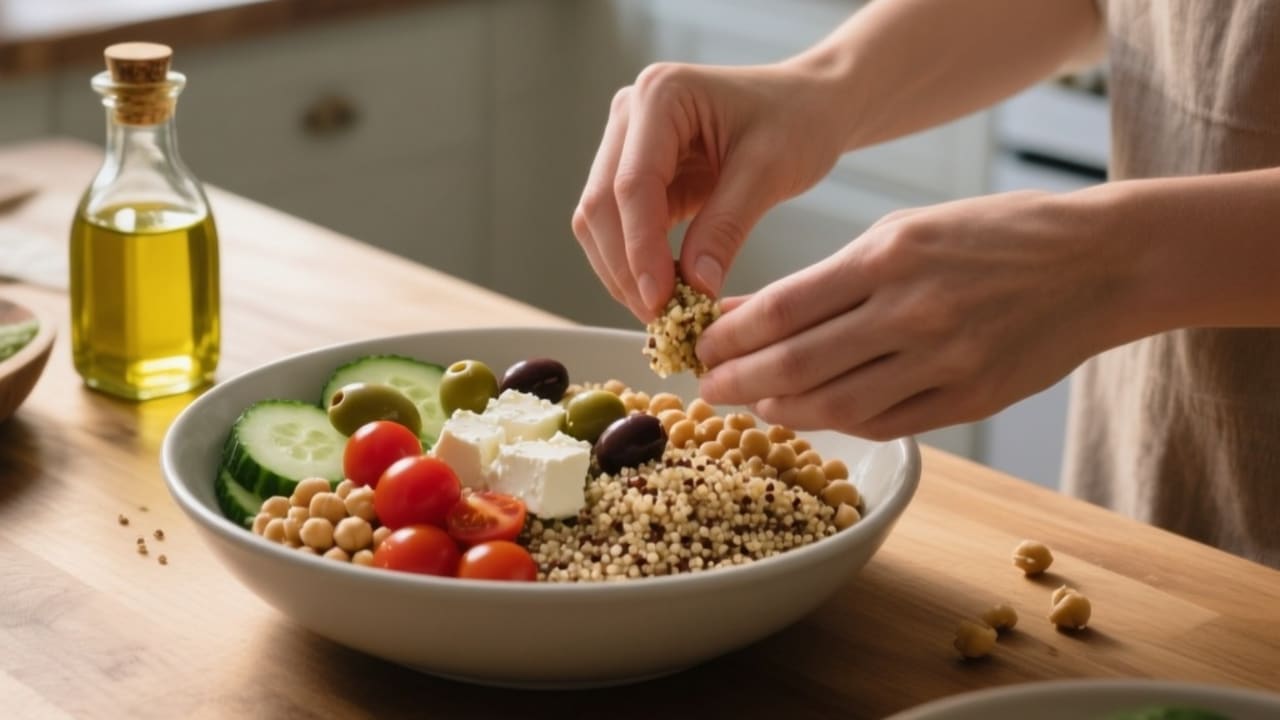
Most people think healthy eating means restriction. What actually works is construction—building plates that keep you full and steady. Think: a Mediterranean-style bowl with greens, whole grains, beans or fish, colorful veg, and olive oil.
The PREDIMED randomized trial in the New England Journal of Medicine found a Mediterranean pattern enriched with extra-virgin olive oil or nuts reduced major cardiovascular events versus a low-fat diet. Meta-analyses since have linked Mediterranean-style eating with lower all-cause mortality and better metabolic health.
Make it practical
Anchor each meal with protein (eggs, yogurt, tofu, beans, fish, chicken) and pile plants around it. Batch-roast veggies on Sunday, keep canned beans and tuna in the pantry, and default to olive oil. Your future self will thank you at 6 p.m.
3) Sleep and stress: the quiet levers of longevity
You know that foggy morning after a choppy night? That’s your hormones whispering: cortisol, ghrelin, insulin. Sleep is the backstage crew for energy, appetite, and mood—ignore it and the whole show stumbles.
A 2022 paper in Nature Aging analyzing hundreds of thousands of adults suggested about seven hours of sleep was linked to better cognitive and mental health outcomes in midlife and older age. On the stress side, a 2015 JAMA Internal Medicine trial reported that mindfulness practices improved sleep quality in adults with sleep complaints, and 2022 research in JAMA Psychiatry found mindfulness-based stress reduction was noninferior to escitalopram for anxiety—useful for people seeking non-drug options.
Make it practical
Set a non-negotiable “digital sunset” 60 minutes before bed. Keep the room cool and dark, and try a 6–10 minute breathing or body-scan routine. If your watch data becomes stress itself, ditch it at night.
4) Rethink alcohol, screens at night—and hydrate smarter
We’ve been sold the “glass of red is heart-healthy” story for years. The evidence hasn’t aged well. The Global Burden of Disease analysis in The Lancet (2018) concluded that for overall health, there’s no safe level of alcohol; risk increases with intake.
Screens late at night are another quiet saboteur. A 2015 PNAS study found that using light-emitting screens before bed suppressed melatonin, delayed circadian timing, and impaired next-morning alertness. And hydration? A 2023 NIH-supported analysis in eBioMedicine linked higher serum sodium (a proxy for chronic underhydration within the normal range) to markers of biological aging and higher mortality risk—suggesting steady fluids through the day may matter for long-term health.
Make it practical
Choose alcohol-free nights as your default and savor an occasional drink intentionally, ideally earlier in the evening. Park devices outside the bedroom and charge them there. Keep a water bottle at eye level and sip regularly—clearer thinking, steadier energy.
Why this matters
Longevity isn’t a number; it’s being able to carry the groceries, hike with friends, and feel steady on stressful days. These habits aren’t flashy, but they compound—like interest—for years.
Small, boring choices beat rare heroic ones. Five thousand consistent steps will outlive one epic weekend run.
And because they’re simple—walk more, build better plates, protect bedtime, be mindful about alcohol and screens—they’re doable on a chaotic week, not just a perfect one. That’s where the healthspan magic tends to happen.
What you can do today
- Walk after two meals for 10 minutes each; research suggests post-meal movement may help smooth blood sugar and add to your step total with minimal effort.
- Build the “3–2–1” evening: 3 hours before bed stop big meals, 2 hours stop alcohol, 1 hour stop screens—this rhythm may help sleep quality.
- Assemble a Mediterranean-ish lunch: whole grain + beans/fish + veg + olive oil + fruit. It’s quick, filling, and supports heart health.
- Strength twice weekly: 20–30 minutes of compound moves (squat, hinge, push, pull). Bodyweight is fine; progress slowly.
- Hydrate on schedule: drink a glass on waking, one mid-morning, one mid-afternoon; add more around workouts or heat. Adjust for your body and environment.
Start with one habit this week and stack from there. If any change feels off or you have a medical condition, check in with your clinician. Share this with the friend who needs a nudge—then take that walk together.
Frequently Asked Questions
Research suggests most of the benefit shows up around 6–8k steps per day, with added gains up to ~10–12k for some people. If you’re under 4k now, adding 2k is a strong, realistic start.
Yes. Base meals on beans, lentils, whole grains, seasonal produce, and olive oil; add eggs or yogurt if you eat them. Frozen veggies and canned beans are cost-effective and nutrient-dense.
Large analyses link alcohol to higher disease risk, and there’s no proven “protective” dose. If you drink, consider fewer days per week and smaller pours, and discuss personal risks with your doctor.