
Most people blame willpower when the scale won’t budge. Here’s the thing: your metabolism isn’t a single dial—it’s a whole control room run by hormones, sleep, muscle, and tiny decisions you repeat all day.
And the plot just thickened. In 2026, researchers spotlighted a natural hormone called FGF21 that flips a different switch—burning more energy—while major conferences pushed the conversation beyond “weight loss” to heart, liver, and long-term metabolic health. So if you’re trying to feel better in your body (and not just lighter), read on.
- Metabolic health is bigger than weight—think blood sugar, blood pressure, triglycerides, sleep, and fitness.
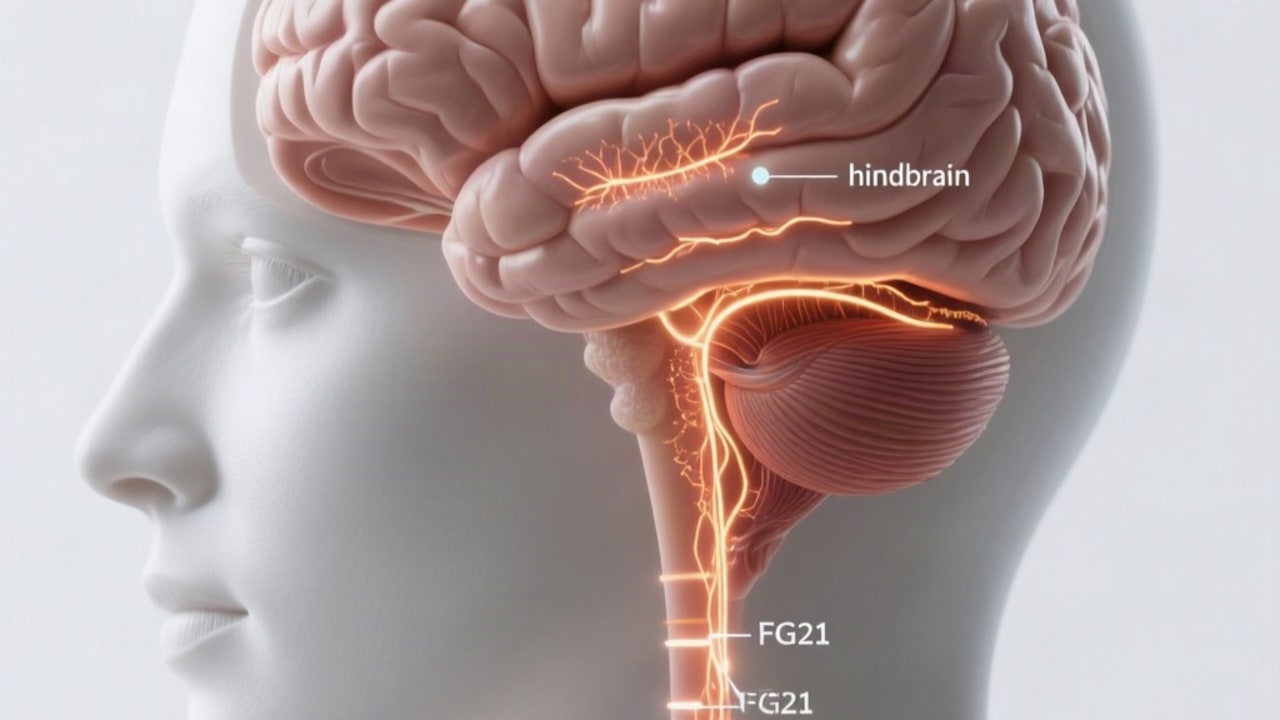
- FGF21, a natural hormone, boosted energy burning in mice via the hindbrain—different from appetite-focused GLP-1 drugs.
- Experts are shifting to cardiometabolic health: better A1C, heart risk, and quality of life—not just pounds lost.
- Counterintuitive: Building muscle can matter more than eating less for a healthier metabolism.
- Five daily levers may help: protein at meals, resistance training, fiber, post-meal walks, and better sleep/stress rhythms.
The “metabolism switch” you’re hearing about: FGF21
Picture this: your body quietly turns up its internal thermostat, burning more energy while you go about your day. That’s the intrigue around FGF21. A 2026 report from the University of Oklahoma found that FGF21 reversed obesity in mice by activating a newly identified hindbrain pathway tied to metabolism—different from the appetite-focused route used by GLP-1 drugs like semaglutide (Ozempic/Wegovy).
ScienceDaily summarized the finding this way: FGF21 doesn’t just tamp down hunger; it ramps up energy burning (in mice), potentially opening doors to future therapies for weight and liver disease (ScienceDaily, University of Oklahoma, 2026). It’s early-stage and not a human treatment yet, but it underscores a bigger truth—hormones set the rules of engagement for your metabolism.
Real life translation? While scientists work on next-gen meds, your daily choices can still nudge the same system—through muscle, sleep, stress, and what you put on your plate.
Beyond weight: what metabolic health really means
If weight is the headline, cardiometabolic health is the full story. Think glucose control, blood pressure, triglycerides/HDL, liver fat, inflammation, and even bone strength. At ENDO 2026 in Chicago, experts pushed past pounds to highlight outcomes like glycemic control, quality of life, fracture risk, and long-term metabolic health (touchENDOCRINOLOGY coverage, 2026).
Imagine your health as a car dashboard. The scale is one gauge. But so are your fasting glucose, resting heart rate, sleep quality, and how fast you recover after a flight of stairs. When you optimize the dashboard, energy and mood often follow—sometimes faster than weight changes do.
For perspective, medications that target hormones can shift hard outcomes too. The 2023 SELECT trial in the New England Journal of Medicine reported that semaglutide reduced major cardiovascular events in people with obesity—reminding us metabolism affects your heart as much as your jeans.
Hormones, life stage, and why the same plan stops working
You know that feeling when the routine that worked at 28 doesn’t touch your 38-year-old body? Hormones shift. Cortisol runs high under stress, thyroid function varies person to person, and insulin sensitivity changes with sleep, muscle mass, and age. For many women, perimenopause is a turning point—body composition and hunger cues feel “rewired.”
A 2026 clinical review on menopause hormone therapy (MHT) discusses how treatment choices can intersect with weight management and metabolic risk in midlife, underscoring the need for individualized care (Younglove C., PubMed, 2026). That doesn’t mean anyone should chase hormones on their own. It means if your body is changing, your strategy should too—ideally with a clinician who knows your history and goals.
Analogy time: your metabolism is a Spotify playlist that keeps updating. When the vibe changes, you don’t blame the songs—you adjust the settings.

Habits that nudge hormones—not just calories
Here’s what’s surprising: the “eat less, move more” mantra misses the most powerful lever—muscle. Muscle acts like a glucose sponge and raises your resting energy use. Pair that with protein and good sleep, and you’re quietly reshaping your metabolic rules.
Medications prove the principle that targeting hormones changes outcomes (see the 2023 NEJM SELECT trial on semaglutide and heart risk). Lifestyle taps complementary pathways—like improving insulin sensitivity via strength training, supporting GLP-1 and PYY satiety signals with fiber- and protein-forward meals, and calming cortisol with real recovery, not just rest.
Most people have been there—white-knuckling a low-calorie plan, then crashing. Swapping to a muscle-first, protein-steady, sleep-supported approach feels slower at first. Then your energy steadies, hunger gets saner, and the “all-or-nothing” loop starts to loosen.
Why this matters
Because your Monday morning shouldn’t be ruled by a number. It should be ruled by how you feel during the 3 p.m. slump, how you sleep after a stressful day, and whether your clothes fit without a fight two months from now.
When you train for metabolic health—not just weight—you give your future heart, brain, and mood a better shot.
And when the headlines announce new hormones like FGF21, you can translate the buzz into action. Even without a prescription, you can still steer the same system in your favor.
What you can do today
- Anchor protein at each meal (about 25–35 g for many adults). Research suggests this may support satiety, muscle repair, and steadier glucose. If you’re unsure what’s right for you, a dietitian can help tailor it.
- Lift 2–4 days per week. Compound moves (squats, rows, presses) may help preserve or build muscle, which supports insulin sensitivity and resting energy use. Start light; consistency beats hero workouts.
- Walk 10 minutes after meals. Short post-meal movement may help with glucose spikes and energy dips—an easy, low-stress win you can stack daily.
- Front-load fiber and plants. Add beans, veggies, berries, and whole grains to promote fullness and gut hormones tied to appetite regulation. Increase gradually and hydrate.
- Protect sleep and stress. A regular wind-down, morning light, and 2–5 minutes of downshift breathing may help cortisol rhythms and appetite signals. If sleep struggles are chronic, discuss them with a clinician.
You don’t need perfect. You need repeatable. Share this with the friend who’s “doing everything right” but still feels off—then try one lever this week and notice what changes first: energy, cravings, or mood.
Frequently Asked Questions
Early 2026 mouse research suggests FGF21 increases energy burning via a hindbrain pathway, while GLP-1 drugs mainly reduce appetite. Human data for FGF21 are not available yet, so it’s one to watch—not a current treatment.
Hormones can shift with stress, sleep, thyroid status, and perimenopause. That said, weight gain is multifactorial. A clinician can check for medical contributors while you work on muscle, protein, fiber, movement, and sleep—habits that may help regardless.
Most people benefit from strength training, protein, and sleep support even on medication. These habits may help preserve muscle and improve cardiometabolic markers. Work with your care team to personalize your plan.