
Picture this: it’s 3 p.m., your eyes feel gritty, your knees ache for no clear reason, and the brain fog rolls in just when you need to think. You slept “okay,” you ate “pretty well,” and yet your body feels like it’s idling hot.
Most people blame one thing — the workout they skipped, the meeting that ran long. But the real cause is often quieter: low-grade, chronic inflammation. It doesn’t come with a cast or a cough. It whispers through fatigue, aches, and mood dips, then lingers.
Here’s the thing: you can’t self-diagnose inflammation from a checklist. You can, however, learn the common patterns and start nudging your system back toward “cool.”
- Chronic inflammation symptoms may look like fatigue, joint stiffness, skin flares, brain fog, and mood shifts.
- Food patterns, stress, poor sleep, smoking, and heavy drinking can all stoke inflammation — small changes add up.
- Counterintuitive: Overtraining with too little recovery can raise inflammatory markers short-term.
- Markers like hs-CRP can reflect systemic inflammation, but testing makes the most sense when discussed with a clinician.
- You don’t need a perfect plan — consistent “pretty good” habits can meaningfully cool things down.
The quiet signs your body is running hot
Think of inflammation like a smoke alarm: useful in short bursts, exhausting when it won’t turn off. Common clues include persistent tiredness, joint pain or morning stiffness, headaches, digestive issues (bloating, diarrhea, or constipation), skin flares (eczema, rashes), brain fog, mood dips, and unintended weight change.
Clinicians at UT MD Anderson list fatigue, joint stiffness, skin problems, headaches, and mood changes among frequent signs that inflammation could be in the background. University of Queensland researchers similarly highlight nine telltale patterns — from chronic pain and sleep troubles to elevated blood markers like C‑reactive protein (CRP).
Most people have been there — three colds in one winter, then your knees complain after a short run. None of these prove inflammation on their own, but clusters that hang around for weeks are worth attention and a conversation with your doctor.
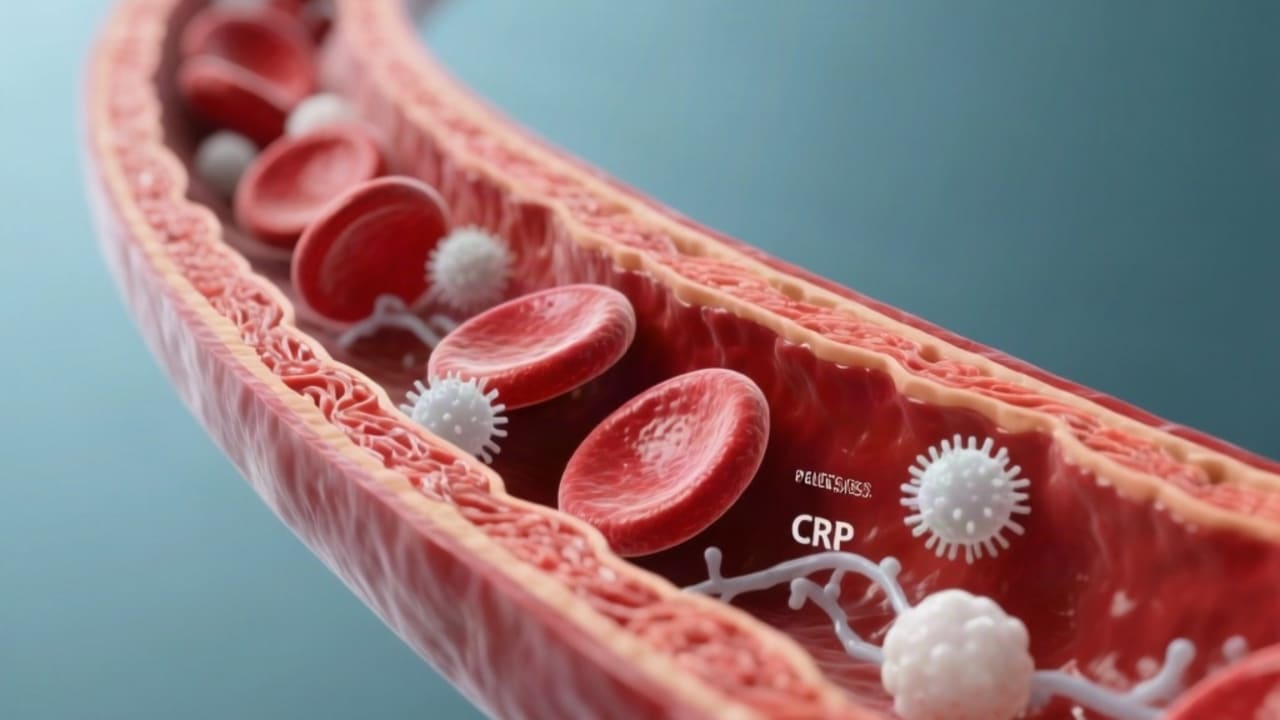
Research note: Population surveys in the U.S. have found a sizable share of adults carry elevated hs‑CRP at any given time, a marker linked with higher cardiovascular risk; it’s not a diagnosis, but a nudge to look closer (NHANES data frequently cited by cardiology groups).
Hidden drivers you can actually change
Some triggers are obvious — smoking, ultra-processed foods, heavy drinking. Others are sneakier: poor sleep, chronic stress, oral-health issues, or pushing workouts hard without recovery.
You know that feeling when your week is “fine” on paper, but every box is half-checked? Four nights of short sleep, back-to-back HIIT classes, takeout twice — that friction can add up to a slow, steady inflammatory hum.
Sleep and stress: A meta-analysis led by Dr. Michael Irwin at UCLA reported that sleep loss and disturbance are associated with higher inflammatory markers like CRP and IL‑6 (Biological Psychiatry, 2016). Mind–body practices and consistent sleep windows may help dial those signals down.
Exercise dose: Movement is protective long-term, but intensity without recovery can spike inflammation short-term. Reviews in sports physiology journals show regular training lowers baseline inflammation, while unaccustomed overreaching bumps it temporarily — a reminder to periodize and rest.
Smoking and oral health: The American Heart Association has underscored tobacco’s pro-inflammatory effects and cardiovascular risk. Periodontal disease is also associated with systemic inflammation, which is one reason flossing and dental visits earn their spot on wellness checklists.
Food patterns that cool — not stoke — the fire
Ultra-processed snacks and sugary drinks can act like kindling; fiber-rich plants, quality fats, and lean proteins are more like a fire blanket. The goal isn’t perfection — it’s shifting the default.
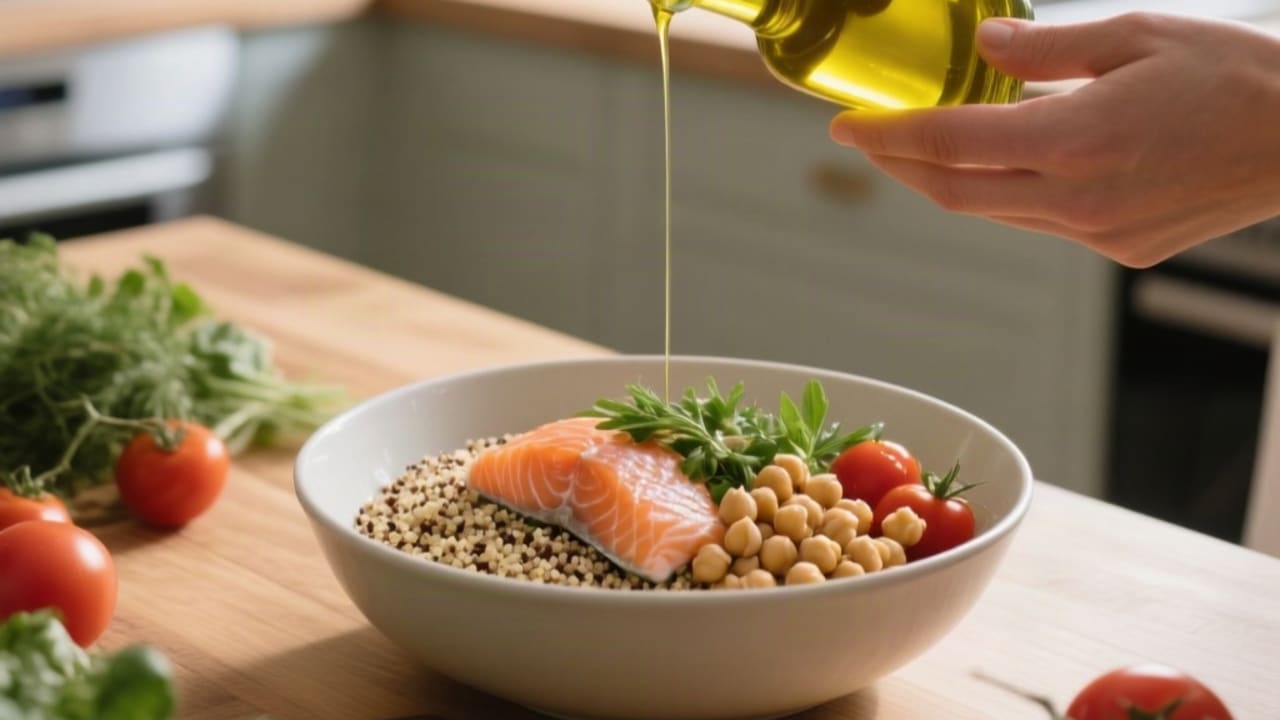
Picture your plate: half colorful plants, a quarter protein, a quarter whole grains, plus a drizzle of olive oil. That’s the Mediterranean pattern linked with lower inflammatory markers and reduced chronic disease risk in randomized trials like PREDIMED (Spain) and in multiple systematic reviews.
What helps most: Omega‑3s (fatty fish, flax, walnuts); extra-virgin olive oil and nuts; high-fiber foods (beans, whole grains, berries); herbs and spices (turmeric, ginger); fermented foods (yogurt, kefir, kimchi) that support a diverse gut microbiome.
Harvard Health Publishing and cardiology groups consistently point to these patterns, noting that people who move from a standard Western pattern toward Mediterranean/DASH-style eating often see improvements in weight, blood sugar, and inflammatory markers like CRP over time.
When to test — and when to talk to a pro
If you’ve had weeks of fatigue, aches, digestive issues, or skin flares, it’s worth checking in with your clinician. They may consider tests like hs‑CRP or ESR in context with your history and exam — either to track inflammation or to investigate other causes.
The U.S. Preventive Services Task Force has said evidence is insufficient to use hs‑CRP for routine cardiovascular screening in low-risk, symptom-free adults, which is why testing is best personalized. Meanwhile, the CANTOS trial (NEJM, 2017) showed lowering inflammation (without lowering cholesterol) reduced heart events — a big clue that inflammation matters, even if that drug isn’t used for everyday prevention.
Bottom line: work with your doctor, especially if symptoms escalate, you have autoimmune concerns, or you notice red flags like chest pain, swelling in one leg, high fevers, or unintentional weight loss.
Why this matters
Because inflammation touches how you feel at 7 a.m., how you focus at 2 p.m., and how well you sleep at 11 p.m. It can shape your mood, your workouts, and your risk curve for decades. Cooling it — even a notch — can change how your days feel now, not just your labs later.
“You don’t need perfect habits. You need consistent, boring wins that nudge your system from ‘always on’ back to ‘adaptive.’”
What you can do today
- Anchor your sleep: Research suggests 7–9 hours on a consistent schedule may help lower inflammatory markers; a 20–30 minute wind-down can make this doable.
- Shift one meal: Swap a processed lunch for a grain bowl (greens, quinoa, chickpeas, salmon or tofu, olive oil, herbs). Small daily swaps can move CRP in the right direction over time.
- Move — then recover: A brisk 20–30 minute walk most days may help; if you train hard, add a rest day or low-intensity session to avoid overreaching.
- Tame stress signals: 5 minutes of paced breathing (inhale 4, exhale 6) or a short mindfulness session may help downshift inflammatory pathways.
- Mind the basics: If you smoke, seek support to quit; cap alcohol; brush and floss daily; book the dental cleaning. These unsexy moves can pay inflammation dividends.
- Check in if symptoms persist: If fatigue, aches, or mood changes hang around for weeks, or you have new/worsening symptoms, discuss testing and next steps with your clinician.
You don’t have to overhaul your life. Pick one lever, pull it for two weeks, and notice what shifts. Then stack the next. If this helped, pass it to the friend who’s “tired for no reason” — they might be running hot, too.
Frequently Asked Questions
Acute inflammation is short-term and helpful — like redness and swelling around a sprained ankle. Chronic inflammation is low-grade and persistent, and may raise long-term health risks. If symptoms last weeks, check in with your doctor.
hs-CRP can reflect systemic inflammation, but it’s most useful when interpreted with your history and exam. If fatigue lingers or clusters with other symptoms, ask your clinician whether testing makes sense for you.
Many people start with fatty fish 2x/week, a daily olive-oil drizzle, and one extra cup of fiber-rich plants (beans, berries, or greens). These may help nudge inflammatory markers in a better direction over time.