
Most people blame stress or coffee for brain fog. But here’s the thing—your sleep length may be quietly shaping your brain’s future, from day-to-day focus to long-term dementia risk.
Picture this: you get five hours and feel wired-but-dull. Your friend logs ten and still wakes groggy. Different nights, same fog. Turns out, both ends of the sleep spectrum may nudge the brain in the wrong direction.
New imaging research points to a “Goldilocks” zone. And the sweet spot isn’t just about feeling rested—it’s about protecting memory circuits and the tiny highways that clear waste from your brain.
- Getting roughly 6–9 hours is linked with healthier brain markers on MRI in midlife.
- Both short and long sleep are associated with changes tied to stroke and dementia risk.
- Deep sleep helps clear brain waste and “files” memories from the hippocampus.
- Even a single bad night can dent next-day learning—naps may partly help.
- Counterintuitive: Oversleeping regularly isn’t always restorative and may signal an issue worth checking.
The Sweet Spot: Why 6–9 Hours Matters
Think of your brain like a high-performance laptop: too little charge and it sputters; overcharging all the time isn’t great either. A large Yale School of Medicine analysis of nearly 40,000 asymptomatic, middle-aged adults found that sleeping too little or too much was associated with brain changes that tend to precede stroke and dementia—associations that persisted even after accounting for hypertension, diabetes, and smoking.
Participants who fell into a roughly 6–9 hour range showed more favorable neuroimaging markers than those outside it. While this can’t prove cause and effect, it strongly suggests that a “just right” window may support long-term brain resilience.
Most people have been there—pushing late into the night to get more done. The real kicker: shorter sleep often buys time today at the expense of tomorrow’s clarity and, possibly, future brain health.
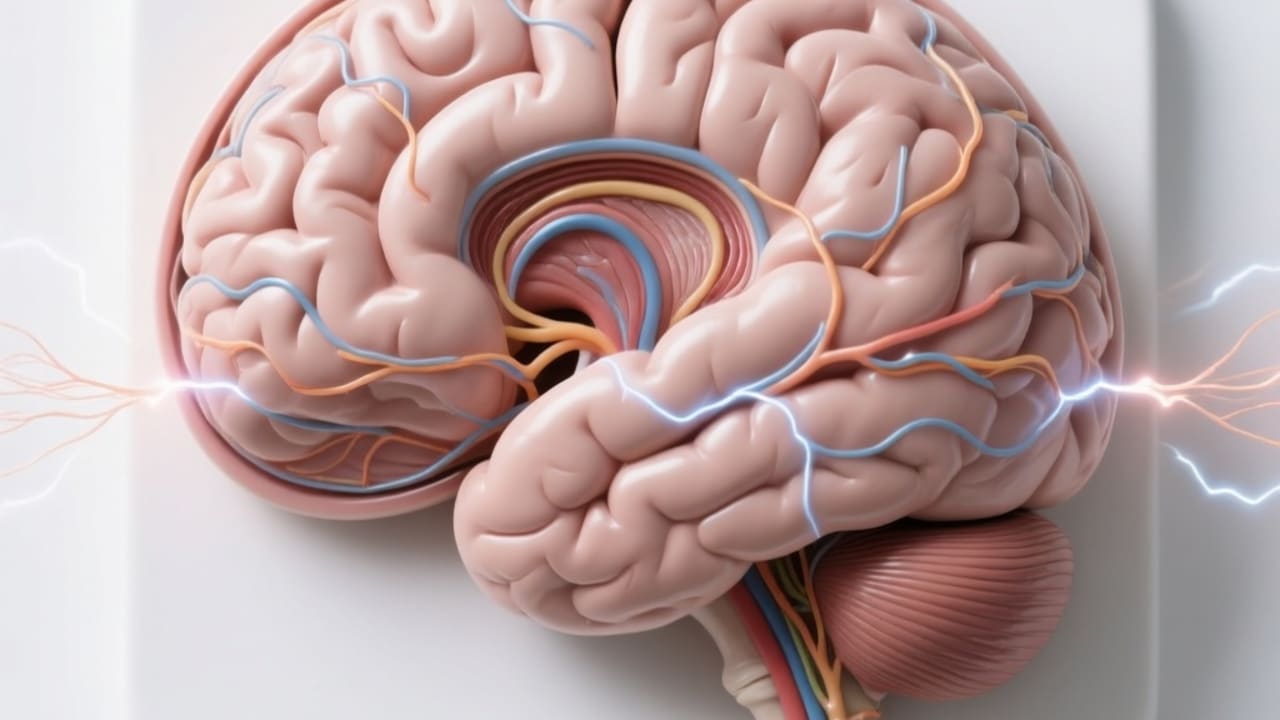
Sleep’s Night Shift: Memory Filing and Brain “Laundry”
Your brain runs a crucial night shift while you sleep. During slow-wave and REM stages, it strengthens connections for what you learned, then stores key memories long-term. A 2025 review on sleep and brain health describes how slow waves, spindles, and hippocampal activity help transfer new information from the hippocampus to the neocortex—basically, turning fresh experiences into durable knowledge.
There’s also the brain’s “laundry” cycle. Deep sleep appears to support the glymphatic system, which helps clear metabolic waste products. Think of it like a night crew rinsing out the day’s byproducts so cells can fire cleanly tomorrow. That same review highlights how circadian alignment and sufficient sleep work together to protect cognitive function and neurovascular integrity.
And here’s a practical twist: strategic naps may boost learning. Research summarized in that review notes even very short naps—as brief as six minutes—can offer measurable memory benefits, with longer naps often helping more. So if you can’t get a perfect night, a brief, early-day nap may help smooth the edges.
One Bad Night Hits Fast—Especially the Hippocampus
You know that feeling when names, passwords, or to-dos slip the morning after a late night? That’s not your imagination. A Case Western Reserve summary of current research reports that even a single night of sleep deprivation can impair the hippocampus—the brain’s memory hub—affecting learning, attention, decision-making, and emotional control the very next day.
While one rough night won’t wreck your brain, repeated short sleeps can stack up. That’s why leading groups, including a joint consensus from the American Academy of Sleep Medicine and the Sleep Research Society, recommend adults aim for at least seven hours most nights for memory consolidation and healthy functioning.
Picture this: two versions of your Tuesday. In one, you sleep 7.5 hours and breeze through a tough presentation. In the other, you log 5 hours and feel like you’re thinking underwater. Same you—different sleep, very different brain.

When “More” Isn’t Better: The Oversleeping Puzzle
It seems counterintuitive, but routinely sleeping much longer than average can also track with less favorable brain markers. In the Yale imaging work, longer sleep durations were linked with patterns associated with higher risk for stroke and dementia—again, associations, not destiny.
Why might long sleep correlate with poorer brain health? In some people, it may reflect underlying issues like depression, sleep apnea, low physical activity, fragmented sleep, or certain medical conditions. If you regularly need 9–10+ hours and still feel unrefreshed, it’s worth discussing with a clinician to rule out treatable causes.
Think of oversleeping like idling a car all day—it looks like rest, but the engine may not be running efficiently under the hood.
Why This Matters
This isn’t just about avoiding a diagnosis decades away. It’s about tomorrow’s meeting, next month’s exam, and the way you feel when you want to be present with people you love. Your sleep budget today can quietly compound—positively or negatively—into focus, emotional steadiness, and mental agility.
“Sleep isn’t lazy—it’s maintenance for your brain. Give it a consistent appointment.”
And the fix often isn’t dramatic. Small, steady shifts—10 more minutes this week, a caffeine cutback, morning light—can move you toward that 6–9 hour zone where the brain seems to hum.
What You Can Do Today
- Set a 90-minute bedtime window. Consistency may help your circadian rhythm settle into deeper, more efficient sleep.
- Get morning light within an hour of waking. Research suggests 5–15 minutes outdoors can anchor your body clock and may improve nighttime sleep.
- Try a caffeine curfew 8+ hours before bed. This may help deepen slow-wave sleep that supports memory and brain “cleaning.”
- Keep naps short and early. A 10–30 minute nap before 3 p.m. may boost learning without disrupting nighttime sleep.
- Watch alcohol and late screens. Both can fragment sleep; limiting them within 2–3 hours of bed may help.
- If you’re consistently under 6 hours or over 9–10 and feel unrefreshed, consider tracking sleep for two weeks and discussing with a clinician. There may be treatable issues like sleep apnea or mood disorders.
Sleep isn’t a luxury—it's the scaffolding for a sharper, steadier brain. Share this with the friend who brags about four hours or the one who can’t get off the oversleeping treadmill, and start nudging your nights toward that sweet spot.
Frequently Asked Questions
Many adults do well around 7–8 hours. A joint AASM/SRS consensus recommends at least 7 hours for healthy function, but your ideal can vary. If you’re consistently tired or foggy, consider aiming slightly higher and reassessing.
Short, early-day naps (10–30 minutes) may boost alertness and learning without harming nighttime sleep. If you’re napping because nights are broken, addressing sleep timing, light, caffeine, or possible sleep apnea may help more.
Regular long sleep plus daytime fatigue can be a clue to check in with a clinician. Oversleeping can be linked with underlying issues like depression, sleep apnea, or fragmented sleep that may be treatable.