You know that 3 p.m. slump, the puffy fingers after takeout, the brain fog that lands right when you need to think? Most of us blame stress or sleep. But here’s the thing—what’s on your plate can nudge low-grade inflammation up or down every single day.
The fix doesn’t have to be restrictive. It can be a 10-minute plate that tastes great and quietly cools the fire—think colorful plants, smart fats, and a few spice-cabinet moves you’ll actually keep.
- Build a 10-minute plate: leafy greens + whole grain + lean protein + olive oil + herbs/spices.
- 2 seafood meals weekly may boost omega‑3s that help calm inflammation.
- Fiber feeds your gut microbes, which make SCFAs that support immune balance and mood.
- Counterintuitive: Coffee and tea can fit an anti‑inflammatory pattern for many people.
- Biggest limiters: ultra‑processed foods, added sugars, refined grains, and processed meats.
Inflammation isn’t always loud — and food nudges it daily
Chronic inflammation can hum in the background—showing up as low energy, achy workouts, or skin acting up—without a dramatic “flare.” Your immune system takes cues from what you eat, and certain patterns make it work harder than it needs to.
A 2025 report in Nutrients, summarized by Harvard Health, notes that ultra‑processed foods can alter gut bacteria, damage the gut lining, and switch on inflammatory genes in cells. The biggest culprits? Added sugars in drinks and packaged foods, plus refined grains and emulsifier‑heavy condiments. That doesn’t mean you can never have them—just that your baseline pattern matters most.
Build the anti‑inflammatory plate: fast, flexible, satisfying
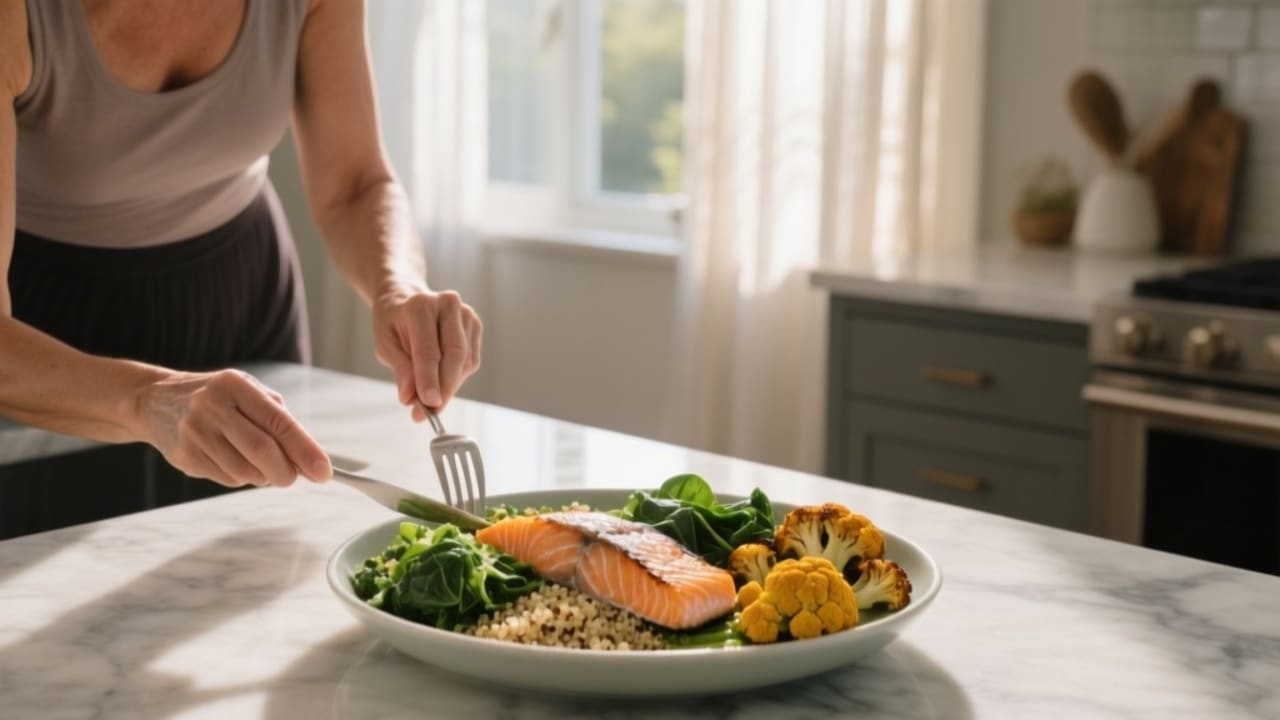
Think of your plate like a color wheel with a drizzle of gold. Half plants (leafy greens, colorful veg, berries), a quarter whole grains or starchy veg (quinoa, brown rice, oats, sweet potato), and a quarter lean protein (fish, legumes, skinless poultry)—finished with extra‑virgin olive oil and anti‑inflammatory spices like turmeric, ginger, or garlic.
Harvard Health’s quick‑start guide highlights this mix—whole, minimally processed foods with no added sugar—as a practical way to lower dietary inflammation. And coverage in The CEO Magazine on high performers dining this way echoes key players: omega‑3‑rich fish, walnuts, flaxseed; whole grains; legumes; and olive oil for healthy fats. Keep it unfussy: a salmon (or chickpea) bowl over warm grains, piled with greens, lemony olive‑oil dressing, and a shower of herbs is dinner in 10.
The omega‑3 rhythm
Scheduling two seafood meals per week—like salmon, sardines, or trout—may help shift your fat pattern toward EPA and DHA, which are often linked with calmer inflammatory signaling. If you’re plant‑based, rotate ground flax, chia, hemp hearts, and walnuts; they’re convenient sources of ALA, another omega‑3 your body can use, though conversion to EPA/DHA is limited.
Your gut microbiome is the control center
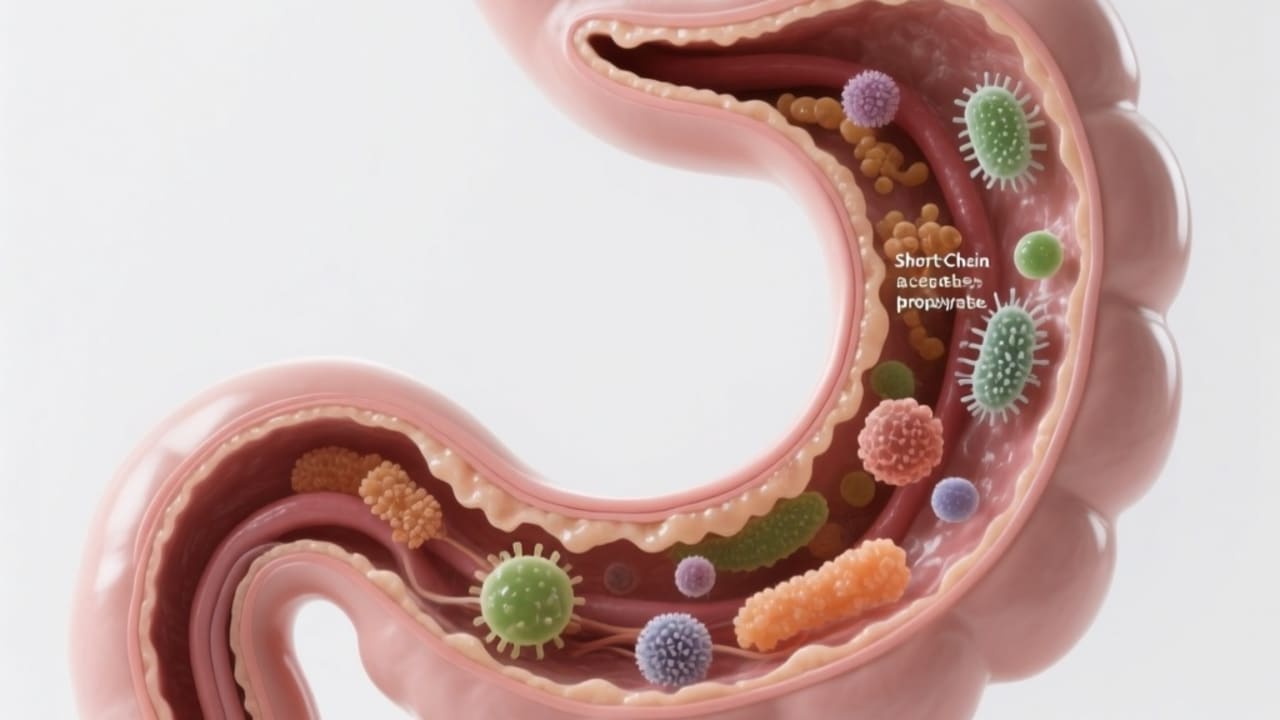
Picture your gut like a bustling neighborhood. When you feed residents fiber and polyphenols, they make short‑chain fatty acids (SCFAs) that help keep the peace—supporting the gut barrier and balanced immunity. When you flood the block with sugar‑heavy, ultra‑processed foods, the balance can shift the other way.
A 2025 BIO Web of Conferences paper highlights how fiber‑mediated SCFAs may enhance mood and reduce anxiety through the gut‑brain axis, and how polyphenols in plant foods modulate the immune system with anti‑inflammatory effects. The same 2025 Harvard‑summarized Nutrients report flags ultra‑processed foods for disrupting the microbiome and gut lining—another reason to anchor meals in plants, legumes, whole grains, nuts, and seeds.
A quick note on “gut” protocols
Short‑term low‑FODMAP plans can ease IBS symptoms, but research suggests they may also temporarily lower beneficial bacteria—so reintroduction matters. If you’re considering it, working with a clinician or dietitian can help protect your microbiome while managing symptoms.

What to limit—without living like a monk
Most people think “inflammation” means quitting everything fun. Not necessary. Focus on the big movers: sugary drinks, refined grains, processed meats, and heavily processed snacks. Swap sweetened yogurt for plain with berries and cinnamon; trade white rolls for seeded sourdough; use olive‑oil vinaigrettes instead of sugary dressings or sauces with long ingredient lists.
At the disease end of the spectrum, a large prospective cohort presented at the 2025 ASCO meeting found that patients with stage III colon cancer who ate more pro‑inflammatory diets (higher EDIP scores) had worse outcomes than those eating less inflammatory patterns. It’s observational and specific to a clinical group, but it reinforces the broader pattern: daily food choices seem to matter over time.
Surprising “yes” foods
According to EDIP categories used in research, coffee and tea often fall on the anti‑inflammatory side. If they don’t disrupt your sleep or trigger reflux, they can fit nicely—especially unsweetened or lightly sweetened.
Why this matters
What does this actually mean for your Monday? More stable energy. Fewer “I need a nap” afternoons. Workouts that feel less creaky. Skin that’s less reactive. And yes—meals that make you feel satisfied instead of stuffed.
“You don’t need a cleanse—you need a plate that quietly turns inflammation down, meal after meal.”
When your default plate is plants, whole grains, smart proteins, and olive oil—with spices doing heavy lifting—everything else gets easier. You can still say yes to pizza night or birthday cake because your baseline is steady.
What you can do today
- Stock a “quick plate” kit: pre‑washed greens, microwavable quinoa or brown rice, canned salmon or chickpeas, olive oil, lemon, and a spice blend (turmeric‑ginger‑garlic). Ten minutes to dinner.
- Make fiber automatic: add 1 cup of colorful veg or berries to two meals per day. Research suggests this supports SCFA production and microbiome diversity.
- Switch your fats: cook with extra‑virgin olive oil most days; aim for two omega‑3 seafood meals weekly, or rotate flax/chia/walnuts if you’re plant‑based.
- Audit added sugars: scan labels on drinks, dressings, and sauces; swapping just these may meaningfully lower your “inflammation load.”
- Spice it up: use turmeric with a pinch of black pepper, plus ginger or cinnamon—small daily doses may help.
Start with one swap at your next meal. The benefits stack, quietly, one colorful plate at a time. If you have a medical condition or take prescription meds, it’s worth checking changes with your clinician or a registered dietitian.
Frequently Asked Questions
For many people, yes—especially unsweetened or lightly sweetened. Research tools that rate dietary inflammation often place coffee and tea on the anti‑inflammatory side, but watch your sleep and reflux.
Not necessarily. Some people tolerate fermented, lower‑sugar options like plain yogurt or kefir well, while others are more sensitive. Try small amounts and see how you feel; discuss persistent symptoms with a clinician.
It can help IBS symptoms short term, but it’s restrictive and may lower beneficial bacteria. If you try it, work with a professional and reintroduce foods methodically.