Most people blame willpower for that 3pm crash. But here’s the thing—your grocery cart may be flipping the inflammation switch long before your energy tanks.
Picture this: you start “healthy,” then a flavored yogurt, a granola bar, and a grab‑and‑go bowl sneak in. They look virtuous; they act like ultra‑processed sugar bombs. Your body responds with a mini fire drill—blood sugar spikes, inflammatory signals rise, and by mid‑afternoon your focus is toast.
The fix isn’t a cleanse. It’s a smarter cart: fiber that feeds your gut’s anti‑inflammatory factories, fats that quiet the flame, and spices that nudge your immune system toward chill.
- Swap sugar spikes for fiber: berries, oats, beans, lentils, greens.
- Pick fats that calm, not stoke: salmon, sardines, extra‑virgin olive oil, walnuts, avocado.
- Use your spice rack like medicine: turmeric + black pepper, ginger, cinnamon.
- Counterintuitive: canned beans and canned salmon can be more anti‑inflammatory than pricey supplements—fast, fiber‑rich, and affordable.
- Cut ultra‑processed “health” foods: sweetened yogurts, dressings, bars, and sauces often hide sugars that push inflammation.
Stop Feeding the Fire: Ultra‑Processed Foods and Sugar Spikes
Most people have been there—you grab a flavored yogurt and a “light” dressing thinking you’re winning. But many of these are engineered to hit you with quick sugars and additives that your gut doesn’t love.
A 2025 report in Nutrients, summarized by Harvard Health, notes that ultra‑processed foods can alter gut bacteria, damage the gut lining, and switch on inflammatory genes—patterns linked to higher risks of heart disease, stroke, diabetes, and shorter lifespans. When your meal triggers a burst of sugar and fats, your body mounts a tiny inflammatory response; repeat that all day and it adds up.
Smart swap
Trade flavored yogurt for plain Greek yogurt topped with berries and cinnamon. Replace bottled dressings with extra‑virgin olive oil, lemon, and salt. Keep jarred tomato sauces without added sugar (or make a 10‑minute version with canned tomatoes and olive oil).
Fiber Feeds Your Anti‑Inflammatory Factory
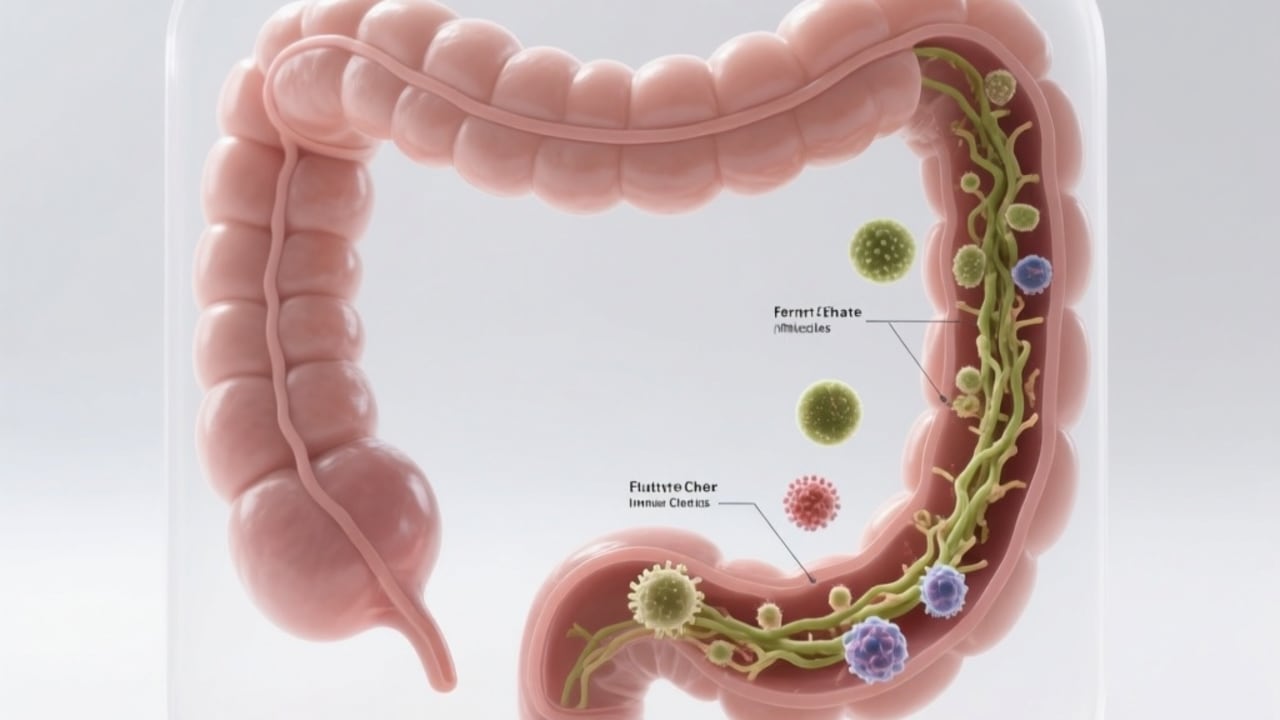
You know that feeling when a big salad actually keeps you full? That’s fiber doing more than crowd control—it’s raw material for your gut microbes to make short‑chain fatty acids (SCFAs) like butyrate, which help keep inflammation in check.
A nutrition science thread you’ll see again and again: when fiber ferments, SCFAs nudge immune cells toward balance. A mechanistic body of research has shown that butyrate can act as a histone deacetylase (HDAC) inhibitor—one way it may dampen inflammatory signaling. Legumes shine here: 1 cup of cooked lentils brings ~15–16g fiber and sturdy plant protein; black beans and chickpeas aren’t far behind.
Smart swap
Build a “fiber anchor” into each meal. Example: oats at breakfast (add ground flax), a lentil‑veggie soup at lunch, and a quinoa‑bean bowl at dinner with a mountain of colorful veg.
Evidence touchpoint: Dr. Trisha Pasricha at Harvard Medical School highlighted in a 2025 Washington Post Well+Being segment that high‑fiber foods—fruits, vegetables, nuts, seeds, beans, and whole grains—are consistently linked to lower inflammatory markers and steadier energy.
Fats That Fight Back: Omega‑3s, Olive Oil, and Nuts
Not all fats stoke the flame. Some put it out. Picture your weekly menu like a campfire—omega‑3s from fish and alpha‑linolenic acid from walnuts are the water bucket; extra‑virgin olive oil is the fire blanket.
Large trials of Mediterranean‑style eating—like PREDIMED—have linked extra‑virgin olive oil and nuts to better heart outcomes, with follow‑up analyses reporting lower inflammatory markers in participants. Meanwhile, omega‑3s from salmon, sardines, and mackerel are repeatedly associated with modest reductions in inflammatory signals and improved triglycerides in meta‑analyses.
Smart swap
Swap processed seed‑oil snack foods for a handful of walnuts. Cook with extra‑virgin olive oil instead of creamy dressings. Do fish 2–3 times a week (canned salmon or sardines make it easy). Avocados add creamy monounsaturated fats without the blood sugar ride.

Spices, Colors, and Grains: Quiet Signals, Bigger Payoff
If your cart looks beige, your cells may feel it. Bright produce packs antioxidants that help “clean up” free radicals—one way to reduce oxidative stress that nudges inflammation.
Harvard Health’s 2025 quick‑start guide flags turmeric, ginger, cinnamon, and cayenne as herbs and spices with modest anti‑inflammatory potential. Trials of curcumin (the active in turmeric) often show small reductions in markers like CRP and IL‑6—especially when paired with black pepper (piperine) and some fat to boost absorption. Whole grains matter too: reviews suggest oats, quinoa, and barley may help lower CRP over time compared with refined grains.
Smart swap
Season beans and veggies with turmeric‑ginger olive‑oil drizzle. Choose intact or minimally processed grains—steel‑cut oats, quinoa, barley—instead of white bread or instant noodles. Build “rainbow” salads to cover your antioxidant bases.
Why This Matters
Because food choices aren’t just about abs or macros—they’re about how you feel on a random Tuesday. Less inflammation can mean steadier energy, fewer “tired but wired” nights, and workouts that don’t leave you wrecked for two days. And the path there doesn’t require perfect meal prep—just better defaults.
“You don’t need a new life to eat anti‑inflammatory. You need a new cart.”
But what does that actually mean for your Monday morning? It means your coffee comes with oats, berries, and walnuts; your lunch carries lentils and olive oil; your spice rack works as hard as your supplements; and your snacks stop pretending to be dessert.
What You Can Do Today
- Build a 10‑minute anti‑inflammatory cart: berries, leafy greens, onions/garlic, carrots, canned beans, canned salmon or sardines, extra‑virgin olive oil, oats, quinoa, walnuts, avocado, turmeric, ginger, cinnamon.
- Anchor every meal with fiber + color: aim for 8–10g fiber per meal from oats or beans plus at least two colorful vegetables or fruits.
- Prioritize calming fats: cook with extra‑virgin olive oil; add a palm‑size portion of fatty fish 2–3x/week; a small handful of nuts daily may help.
- Season like you mean it: ½–1 tsp turmeric with black pepper and a drizzle of olive oil may help; ginger and cinnamon are easy daily adds. If you consider supplements, discuss interactions (for example, blood thinners) with a clinician.
- Audit hidden sugars for one week: switch flavored yogurts, dressings, bars, and sauces to unsweetened or homemade options to reduce sugar‑driven inflammatory spikes.
Small swaps compound. Try one change per meal for a week and notice your energy, satiety, and recovery. If you’ve got a condition tied to inflammation or take medications, bring this framework to your doctor or a registered dietitian to tailor it safely.
Frequently Asked Questions
Start with canned salmon (omega‑3s), a big bag of leafy greens, and canned beans. Together they add calming fats, fiber, and minerals with almost no prep.
Many people do fine using the spice daily with black pepper and a little fat to aid absorption. If you’re considering high‑dose supplements, check with your clinician—curcumin can interact with some meds.
Research suggests intact or minimally processed grains (oats, quinoa, barley, brown rice) may help lower markers like CRP compared with refined grains. Portion size and overall diet still matter.