
Most people blame stress, screens, or a bad week for their mood—when the real driver might be further south. Your gut microbes talk to your brain all day, every day, through nerves, immune signals, and the chemicals they make from your food.
Picture this: it’s 2 a.m., your thoughts are racing, and your stomach feels tight. That knot isn’t just a feeling—research suggests shifts in the microbiome can influence anxiety circuits in the brain, sometimes within days of dietary change.
Here’s what nobody tells you about gut health and mood: small, consistent food moves may matter more than the trendiest supplement. And yes, certain probiotic strains have promising data—if you pick the right ones and give them time.
- Your gut-brain axis is real: microbes signal via the vagus nerve, immune messengers, and metabolites that affect mood.
- Food shifts can work fast: fermented foods and fiber-rich plants may influence brain-relevant chemistry within weeks.
- Probiotic effects are strain-specific: some strains show anxiety/depression benefits; many do not.
- Counterintuitive: more fiber variety can beat more supplements for everyday mood support.
- Track it: a simple “food + mood” log helps you spot what actually helps you.
How Your Gut Talks to Your Brain
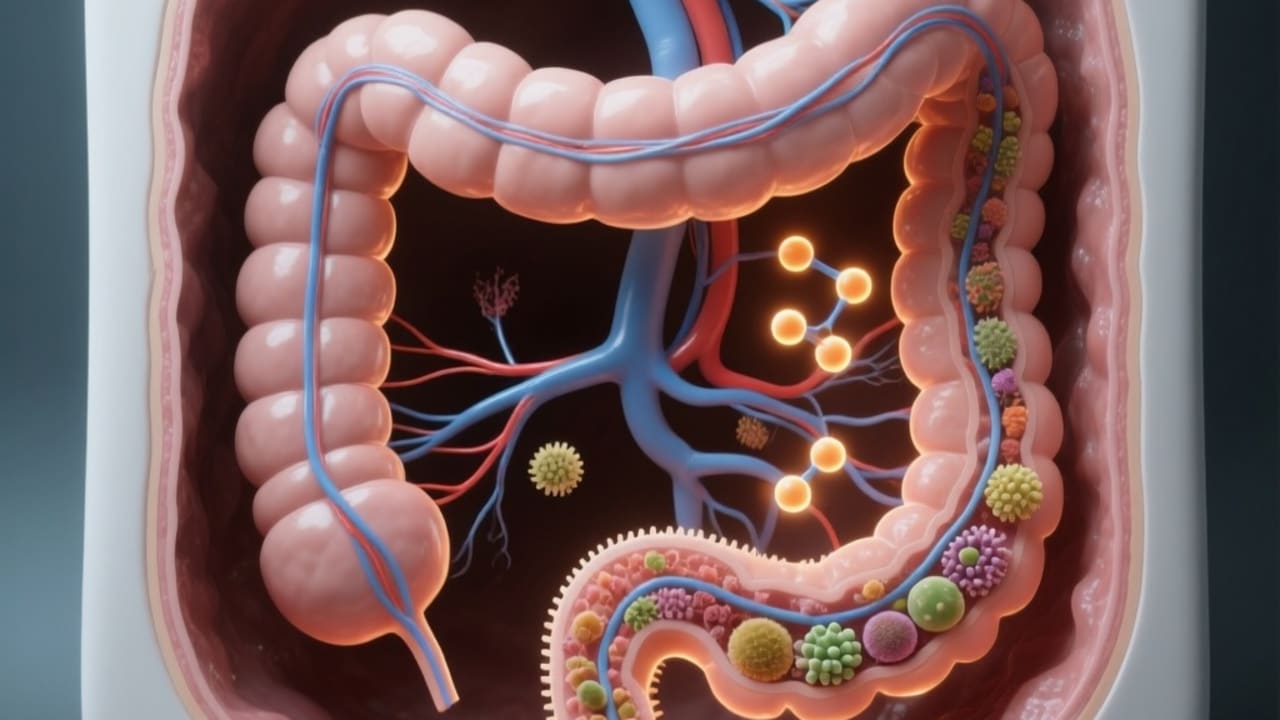
Think of your gut and brain as constant texters. Microbes ferment fibers into short-chain fatty acids (like butyrate) that can calm inflammation, they nudge the vagus nerve (your gut–brain hotline), and they help make or modulate neurotransmitter precursors such as tryptophan for serotonin.
A well-known research team led by John Cryan at University College Cork showed that when microbiota from people with depression were transferred into healthy rodents, the animals developed anxiety-like behaviors and altered tryptophan metabolism—strong evidence that gut microbes can shape mood-related biology. In humans, people with depression often show lower microbial diversity and more pro-inflammatory species compared with healthy controls.
Most people have been there—you grab takeout, sleep poorly, feel edgy the next day. That’s not just “willpower.” It’s your gut-brain axis reacting to inputs (food, stress, alcohol, sleep) far more quickly than we once thought.
Food First: Small Changes, Real Signal
Here’s the thing: your microbes eat what you eat. A plant-forward pattern—think Mediterranean-style with colorful produce, legumes, whole grains, nuts, olive oil, and fish—tends to feed beneficial microbes linked with calmer immune signaling.
A randomized trial known as the SMILES study led by Felice Jacka found that adults with major depression who shifted to a Mediterranean-style diet saw greater symptom improvement than those receiving social support alone. And a 2021 Stanford trial reported that a fermented-foods diet (yogurt, kefir, kimchi, sauerkraut) increased microbiome diversity and reduced inflammatory markers over 10 weeks—changes that often travel with steadier mood.
Picture this: your lunch is a grain bowl with quinoa, chickpeas, roasted veggies, herbs, olive oil, and a spoon of sauerkraut. That combo feeds fiber-loving microbes and layers in live cultures—two levers your brain seems to like.
Probiotics: What Actually Helps (and What Doesn’t)
Not all probiotics are mood-supportive, and benefits are strain-specific. Some early human trials suggest targeted strains may help reduce anxiety or depressive symptoms, particularly in people with gut conditions.
In a placebo-controlled study in Gastroenterology, adults with IBS who took Bifidobacterium longum NCC3001 had reduced depression scores versus placebo. Research groups also report stress and anxiety benefits from specific strains (for example, certain Lactobacillus and Bifidobacterium lines), while broad “kitchen sink” blends often under-deliver. The International Scientific Association for Probiotics and Prebiotics emphasizes matching strain to outcome—and giving it a fair trial window (often 4–8 weeks).
Analogy time: buying “a probiotic” for mood is like buying “a shoe” for marathon day. Size and fit (strain and dose) matter far more than the brand promises on the box.

From Babies to Burnout: Why Timing Matters
Early-life microbes may help “tune” emotion circuits. An observational study published by UCLA researchers in Nature Communications reported that toddlers with certain microbiome patterns showed differences in connectivity across emotion-related brain networks—and higher risk of internalizing symptoms (like anxiety/depression) later in childhood.
For adults, stress, poor sleep, ultra-processed diets, and heavy alcohol can nudge the microbiome toward more inflammatory patterns. That doesn’t doom you—it just means your baseline can drift. The good news: fiber variety, fermented foods, movement, consistent sleep, and stress tools (breathwork, therapy) may nudge it back.
You know that feeling when two coffees on an empty stomach make you jittery? Your gut-brain axis is in that conversation, too—caffeine, timing, and what you pair it with can change the “message” your gut sends upstairs.
Why This Matters
Because this isn’t about having a “perfect” diet. It’s about building a microbiome that supports steadier mornings, fewer 2 a.m. spirals, and a little more emotional buffer when life gets loud. Food becomes one lever you can actually pull.
“You can’t control every thought—but you can feed the microbes that steady your mood.”
And while no menu replaces therapy or medication, pairing them with the right nutrition may make everything else work a bit better.
What You Can Do Today
- Aim for 30 plant foods a week: different fibers feed different microbes; research suggests variety may support lower inflammation and steadier mood.
- Add 1–2 fermented servings daily: yogurt, kefir, kimchi, sauerkraut, miso, tempeh. Start small if you’re sensitive; benefits may build over weeks.
- Try a targeted probiotic “n=1”: consider strains with human mood/stress data (e.g., Bifidobacterium longum NCC3001). Test one product for 4–8 weeks, track mood/sleep/bloat, then reassess.
- Front-load fiber + protein early: a balanced breakfast (eggs + greens + whole grain + fermented veg) may help stabilize cortisol and cravings.
- Mind the disruptors: alcohol, ultra-processed snacks, and poor sleep may amplify anxiety signals. Cutting back—even a little—can help.
- Loop in your clinician: if you take mental health meds or have GI conditions, discuss any supplements or major diet shifts to avoid interactions or flares.
You don’t need a perfect gut to feel better—just a week or two of consistent, doable changes. Share this with the friend who swears their mood lives in their stomach (they might be onto something). And if you want a deeper cut, we’ve got more microbiome-friendly recipes and routines queued up next.
Frequently Asked Questions
Benefits are strain-specific. Human data is most promising for certain Bifidobacterium and Lactobacillus strains—like Bifidobacterium longum NCC3001 (studied in IBS with reduced depression scores). Try one strain at a time for 4–8 weeks and track changes; discuss with your clinician if you use medications.
Some people notice shifts within 1–2 weeks—especially when adding fermented foods and more fiber variety—while others need longer. Mood is multifactorial, so pair nutrition with sleep, movement, stress skills, and care from a therapist or doctor as needed.
Low-FODMAP can reduce IBS symptoms but also lowers prebiotic fibers that feed beneficial microbes. If you try it, use it short-term with a dietitian and reintroduce foods methodically. For mood support alone, a Mediterranean-style pattern is usually a gentler first step.