
You know that puffy, sluggish feeling after a day of grab‑and‑go snacks? Most people point at carbs or “gluten.” But here’s the thing: more than half of the calories in a typical Western diet now come from ultra‑processed foods — and that pattern, not a single ingredient, is what keeps your body’s inflammation switch stuck on.
The good news: you don’t need a complicated protocol. A few strategic swaps — more color, better fats, a boost for your gut microbes — can nudge inflammation down. Think of your plate as a thermostat. Small turns, big difference.
- Target the pattern, not a single “villain” food. Cut ultra‑processed items; build meals from whole plants, lean proteins, and good fats.
- Feed your gut. Fiber from veggies, beans, oats, and whole grains supports microbes tied to lower inflammation.
- Fermented beats expectations. A Stanford study in Cell (2021) found fermented foods lowered inflammatory markers more than fiber alone.
- Fat quality matters. Olive oil and omega‑3s may help “resolve” inflammation; you don’t have to fear fat.
- Make it doable. Try overnight oats with flax and berries, a big salad with beans, and salmon or a lentil bowl for dinner.
Most People Blame Carbs — The Real Culprit Is Ultra‑Processing
Picture this: breakfast pastry, desk bar, vending‑machine chips, takeout. None of those are “just” carbs — they’re ultra‑processed packages engineered for bliss points. That combo of refined starch, added sugars, certain fats, and additives can agitate your immune system and your gut lining.
Harvard Health highlights a 2025 report in Nutrients linking ultra‑processed foods to shifts in gut bacteria, damage to the intestinal barrier, and the activation of inflammatory genes — alongside higher risks of heart disease, diabetes, and more. The fix isn’t cutting all bread; it’s choosing bread that still looks like a food — think whole‑grain sourdough over white sandwich slices.
Easy swaps that cool the “fire”
- White flour products → whole grains (oats, quinoa, brown rice, true whole‑grain bread)
- Processed meats → beans, lentils, eggs, poultry, or fish
- Sweetened drinks → water, tea, or coffee with minimal sugar
- Industrial snacks → nuts, seeds, fruit, plain yogurt
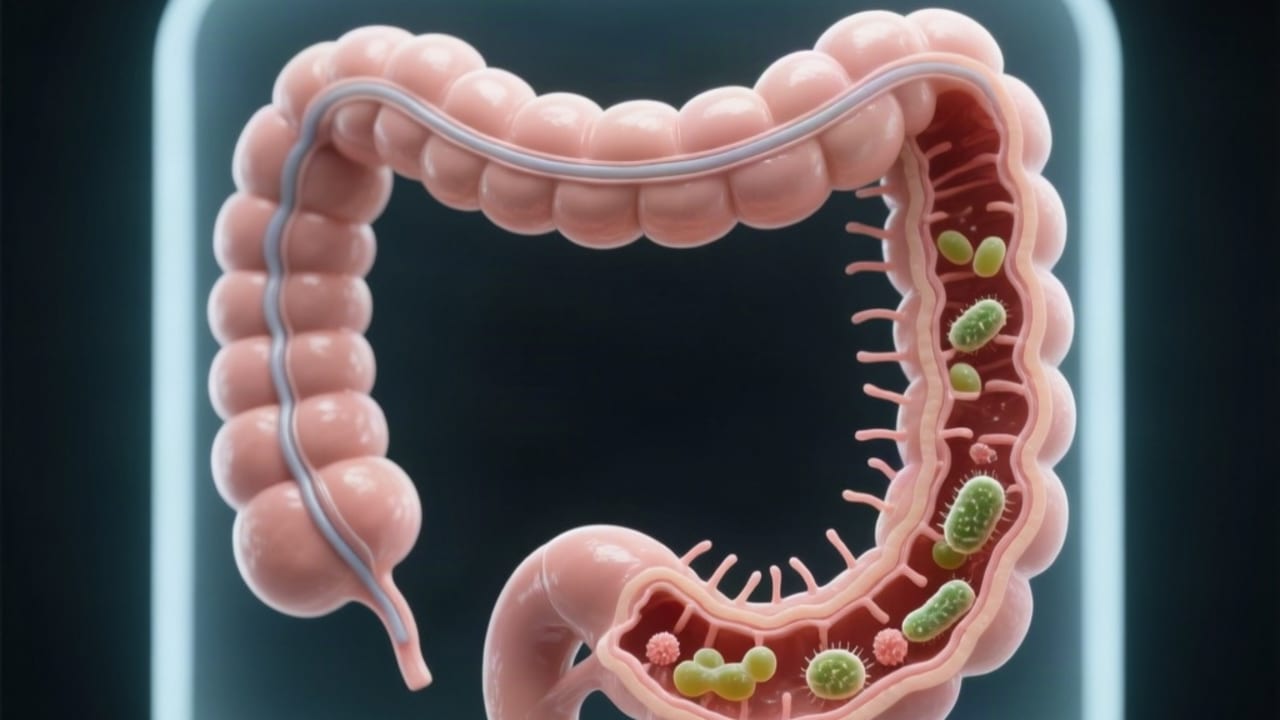
Your Microbiome Writes the First Draft of Inflammation
Think of your gut as a garden. Fiber is the compost — it feeds bacteria that make short‑chain fatty acids, which help keep your gut barrier strong. When the barrier is sturdy, fewer “sparks” reach your immune system.
Here’s the surprising part: a Stanford team reported in Cell (2021) that a fermented‑foods diet (yogurt, kefir, kimchi, sauerkraut) increased microbial diversity and reduced several inflammatory markers across participants. A high‑fiber diet still matters — it supports beneficial microbes and gut regularity — but fermented foods may add a faster anti‑inflammatory nudge for many people.
Fiber + ferment = better together
- Daily fiber targets: roughly 25–30 g for most adults (build up gradually to avoid GI discomfort).
- Fermented starters: 1 cup plain yogurt or kefir, or a few forkfuls of kimchi/sauerkraut with meals.
- If you’re dairy‑free: try kefir‑style coconut yogurt with live cultures, miso, tempeh, or fermented veggies.
Fat Quality Is a Thermostat — Not the Enemy
Your immune system doesn’t just want less inflammation; it wants resolution. Omega‑3 fats (from salmon, mackerel, sardines, walnuts, flax, chia) are precursors to molecules that help your body “turn off” the inflammatory response when the job’s done. A 2020 review in Nature Reviews Immunology describes how omega‑3–derived specialized pro‑resolving mediators support this process.
Patterns like the Mediterranean diet — rich in extra‑virgin olive oil, nuts, legumes, whole grains, vegetables, and fish — are consistently linked with lower inflammatory markers in clinical trials, including analyses from the PREDIMED study. It’s not zero‑fat; it’s better‑fat.
Put it on your plate
- Cook with extra‑virgin olive oil; finish soups and salads with a drizzle for polyphenols.
- Eat fish 2 times per week, or add 1–2 tbsp ground flax/chia most days if you’re plant‑based.
- Keep nuts and seeds handy — they pair with fruit for a steadier snack than chips.

Color, Spices, and Sips That Quiet the Noise
The deeper the color, the richer the polyphenols — compounds that can help counter oxidative stress that stokes inflammation. Berries, leafy greens, olive oil, dark chocolate (70%+), tea, and coffee all contribute.
Turmeric and ginger add more than flavor. A 2022 meta‑analysis in Nutrients reported that curcumin (the active compound in turmeric) modestly reduced C‑reactive protein (CRP) in adults, especially when paired with piperine (black pepper) for absorption. That said, spices complement — they don’t replace — a balanced eating pattern.
A day that fits real life
- Breakfast: overnight oats with ground flax, cinnamon, and mixed berries; or avocado toast on whole‑grain bread.
- Lunch: bean‑and‑vegetable soup with whole‑grain crackers, or a large salad topped with chickpeas, olives, and seeds.
- Snack: plain yogurt or kefir with a few walnuts and a drizzle of honey; or an orange and almonds.
- Dinner: salmon with quinoa and garlicky greens — or a lentil/veggie bowl finished with olive oil and lemon.
Why This Matters
Inflammation touches almost everything: how your joints feel on the stairs, how clear your skin looks after a weekend, how steady your energy stays at 3 p.m. Food won’t fix everything, but it’s the lever you control three times a day. And it doesn’t require perfection — just a better pattern most of the time.
“Your plate is less a rulebook and more a volume knob for inflammation — nudge it down meal by meal.”
What You Can Do Today
- Start with one fermented add‑on daily. A cup of plain yogurt or kefir, or a few forkfuls of sauerkraut/kimchi may help your gut — introduce slowly if you’re sensitive.
- Hit 25–30 g of fiber — gradually. Mix beans into salads, choose oats or quinoa, and add a vegetable to every meal. If you have IBS, go slow and discuss a plan with a clinician or dietitian.
- Upgrade fats, don’t fear them. Cook with extra‑virgin olive oil; eat fish twice weekly or add 1–2 tbsp ground flax/chia most days.
- Color rule: two colors per meal. Aim for at least two deeply colored plants on every plate (berries, greens, tomatoes, peppers).
- Trim the ultra‑processed load. Swap one packaged snack or refined product each day for a whole‑food option. Small, consistent cuts add up.
Curcumin supplements, if you consider them, may interact with medications (including blood thinners). If you’re managing a health condition or are pregnant, it’s worth talking with a healthcare professional before starting new supplements or major diet changes.
You don’t need a “cleanse.” You need a pattern that your future self can actually keep. Start with one swap today, notice how you feel this week, and build from there. If a friend needs this nudge, send it their way — it might be the exact volume knob they’ve been looking for.
Frequently Asked Questions
Some people notice changes in energy or digestion within 1–2 weeks, especially after cutting ultra‑processed foods. Shifts in lab markers can take longer. Go gradually and track how you feel.
Not necessarily. Many people do well with fermented dairy like yogurt or kefir and true whole‑grain sourdough. If you suspect a sensitivity, consider a short, structured trial with a clinician or dietitian.
The overall pattern matters more than any single oil. Extra‑virgin olive oil and omega‑3‑rich foods are consistently linked to lower inflammation. Reducing ultra‑processed foods usually helps more than fixating on one ingredient.