
Picture this: you crush a bowl of “healthy” pasta at lunch, feel unstoppable for 20 minutes—then your brain hits molasses. Words won’t come. Emails stare back. Irritability creeps in for no good reason.
Most people blame willpower or coffee. The real culprit, for many, is a rolling blood sugar spike-and-crash that starves your brain of steady fuel and scrambles your stress signals—without you ever touching dessert.
Here’s the thing: your brain runs almost entirely on glucose. When that supply swings, your focus, memory, and mood can swing with it. The good news? Small, doable tweaks can smooth the ride.
- Spikes and dips may blunt focus and intensify stress; steadier glucose often feels like “clearer brain,” not just “better labs.”
- The same carb can hit people differently—your friend’s pasta may be your potato. Personal response matters.
- Eat protein/veg first, carbs last: a small trial showed this may lower the meal spike.
- Walk 10 minutes within an hour after meals—light movement can help your muscles soak up glucose.
- Counterintuitive: Beans spike some people more than bread, and vice versa—testing your own response pays off.
Your brain on a spike: why focus and mood wobble
You know that feeling when the meeting hits minute 23 and your mind drifts? Glucose highs and lows can make that drift a slide. When blood sugar surges, your body pumps out insulin; when it drops, your brain may get less steady fuel—cue brain fog, yawns, and snap reactions.
A 2024 study led by Washington State University and McLean Hospital found that large swings in blood glucose were linked to slower information processing, especially in people with added risk factors (like older age or diabetes-related complications). The researchers suggested sustained highs or lows may weigh on attention more than second-to-second blips.
And it isn’t just speed of thought. Glucose volatility can nudge neurotransmitters that govern calm, focus, and reward—think serotonin and dopamine—so minor annoyances feel bigger and decisions feel heavier.
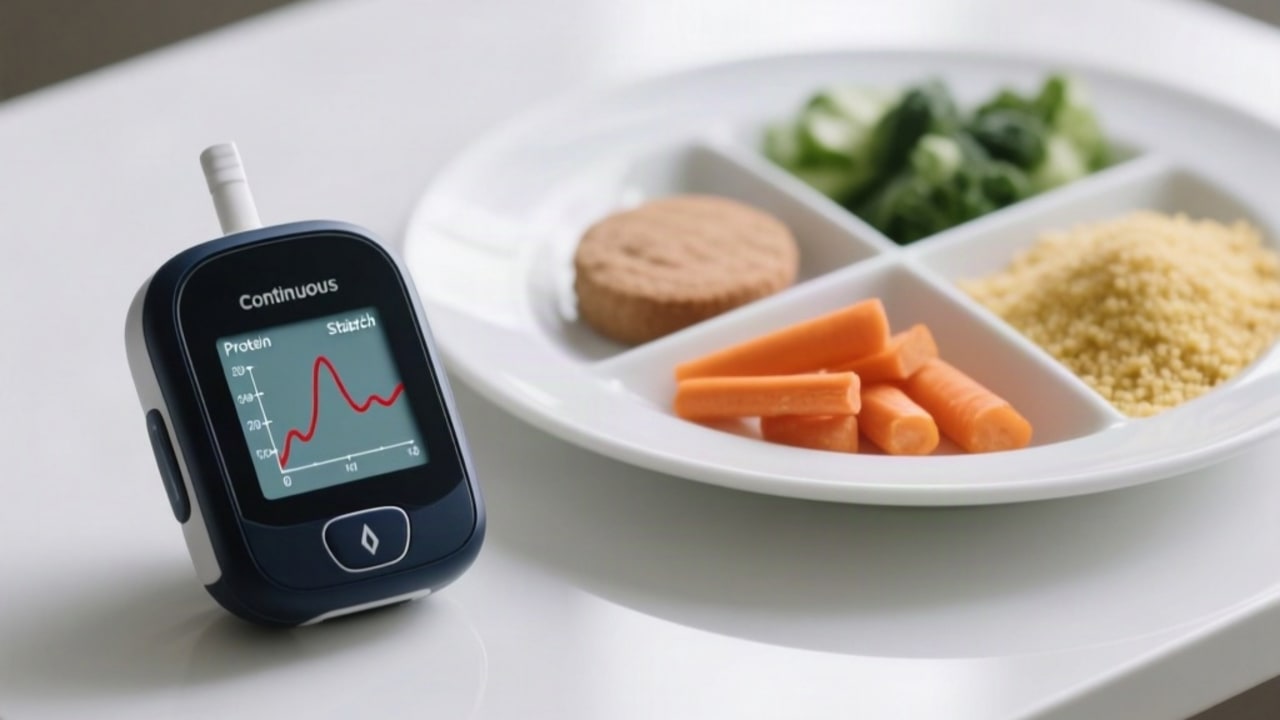
Same meal, different spike: your personal response
Most people have been there—two friends share the same burrito. One gets sleepy; the other feels fine. That’s not imagination; it’s biology.
A 2025 report from Stanford Medicine profiled how people’s blood sugar responds very differently to common carbs. Some spiked most after pasta, others after potatoes, and a few even after beans. Those patterns lined up with metabolic “subtypes” like insulin resistance or beta-cell strain.
Translation: your “trigger” carb might not be your partner’s. If you’ve ever thought, “I swear rice makes me nap,” you might be right—for you. That’s why practical testing—changing portion, pairing, order, and timing—often beats blanket rules.
The mood roller coaster: stress, cravings, and glycemic swings
Ever notice a short fuse after a sugary snack—or that “cranky when hungry” drop? Rapid rises can feel buzzy; the fall can feel anxious or low. Your brain reads these shifts as stress and may push you toward quick carbs again. That’s the loop.
A 2015 paper in The American Journal of Clinical Nutrition, using Women’s Health Initiative data, linked higher dietary glycemic index with greater odds of depression symptoms, while higher fiber and whole grains were linked with lower odds. It doesn’t prove cause, but it supports what many feel: steadier carbs, steadier mood.
Clinicians also observe that frequent spikes can disrupt how we perceive stress. When your internal fuel is chaotic, small stressors can look like big ones. The fix isn’t swearing off carbs; it’s choosing them—and pairing them—in ways your brain can ride comfortably.

Flatten the curve at the table (and after)
Picture dinner as a sequence, not a pile. Starting with protein and vegetables, then adding carbs, can make the same meal feel very different an hour later.
In a 2015 randomized trial in Diabetes Care, Dr. Alpana Shukla’s team at Weill Cornell found that eating protein and non-starchy veg before carbs led to a significantly lower post-meal glucose rise versus eating carbs first. No foods were banned—the order mattered.
Movement helps too. A 2022 meta-analysis in Sports Medicine reported that brief, light-intensity walking soon after meals may reduce postprandial glucose compared with sitting. Think: 10 minutes around the block after dinner—nothing heroic.
Not into rules? Try a simple pairing habit. Combine carbs with protein, fat, or fiber—berries with Greek yogurt, sourdough with avocado and eggs, rice with tofu and broccoli. The add-ons slow digestion so your brain sees more “glide” than “cliff.”
Why this matters
This isn’t about perfection or never touching fries. It’s about the 3 p.m. deck you need to finish, the bedtime you want to keep, and the argument you’d rather not have because you’re wired-and-tired.
When your glucose is steadier, life feels less “white-knuckle.” You get a clearer brain for the same life you already have.
The best part: you can usually feel changes within days—more even energy, fewer cravings, less “instant rage” at the printer. Small levers, big payoff.
What you can do today
- Front-load protein and veg, save carbs for last. This order may help soften the glucose rise from the same meal.
- Walk 10 minutes within 60 minutes after meals. Light movement may help your muscles use glucose more efficiently.
- Pair your carbs. Add protein, healthy fats, or fiber (e.g., nut butter with fruit, beans with rice) to slow absorption.
- Start breakfast with protein (20–30g). Many people report steadier mood and fewer mid-morning crashes.
- Experiment safely. Notice which carbs hit you harder and adjust portion, pairing, or timing; discuss CGM or testing with your clinician if you have a condition affecting glucose.
You don’t need to eat “perfectly” to feel better. A few smart swaps and a short walk can smooth the mental noise. If you try any of this and notice big swings, or you manage a condition like diabetes, check in with your healthcare provider for tailored guidance.
Frequently Asked Questions
They can. Rapid rises and falls in glucose may affect stress hormones and neurotransmitters, which some people feel as anxiety, irritability, or brain fog. If symptoms are frequent or severe, consider discussing patterns and options with a clinician.
Try eating protein and non-starchy vegetables before your starch, and add a 10-minute walk after the meal. Many people find this combination steadies energy without cutting favorite foods.
Not inherently. The impact varies by person and context—portion, pairing, and timing matter. Testing how you feel and adjusting the order or add-ons may help flatten spikes.