
You know that 3pm slump when your inbox is full, your patience is thin, and every thought feels like it’s trudging through molasses? Most people blame willpower. Here’s the thing: the real driver is often a blood sugar spike and crash.
Spikes can scramble the very signals your brain uses to think clearly and stay even‑keeled. And because your brain runs on glucose, wild swings feel less like “bad habits” and more like a chemistry problem with real‑world consequences — focus, mood, and even how intensely you experience stress.
- Big glucose swings may slow processing speed and attention — that “brain fog” isn’t in your head.
- Order matters: eating protein/veggies before carbs can blunt a spike significantly.
- A 10–15 minute walk after meals may reduce post‑meal glucose more than “skipping dessert then sitting.”
- Sleep loss can raise next‑day glucose, even if you don’t change what you eat.
- Small swaps (whole fruit over juice, fiber first, add protein) stack up fast for steadier energy.
What’s Actually Happening in Your Brain When You Spike
Picture this: you polish off a pastry in a meeting. Glucose surges, insulin follows, and your brain — especially areas that juggle memory and focus — suddenly has more fuel than it can smoothly handle. Minutes to hours later, a dip hits, and your mental gears grind.
A 2024 study led by Washington State University and McLean Hospital found that large swings in blood glucose were linked with slower processing in people with type 1 diabetes — with older adults and those with certain complications hit hardest (Laura Germine et al., NPJ Digital Medicine/WSU report). While that population is unique, the core insight holds: highs and lows can tug on cognitive performance.
There’s also a two‑way street between memory circuits and metabolism. A 2023 paper from NYU Grossman (Nature) reported that bursts of hippocampal activity — the region tied to memory — were followed by drops in blood sugar in animals, suggesting brain signaling can influence metabolic rhythms. Translation: when glucose whipsaws, the systems your brain uses to encode and retrieve information may be riding the same roller coaster.
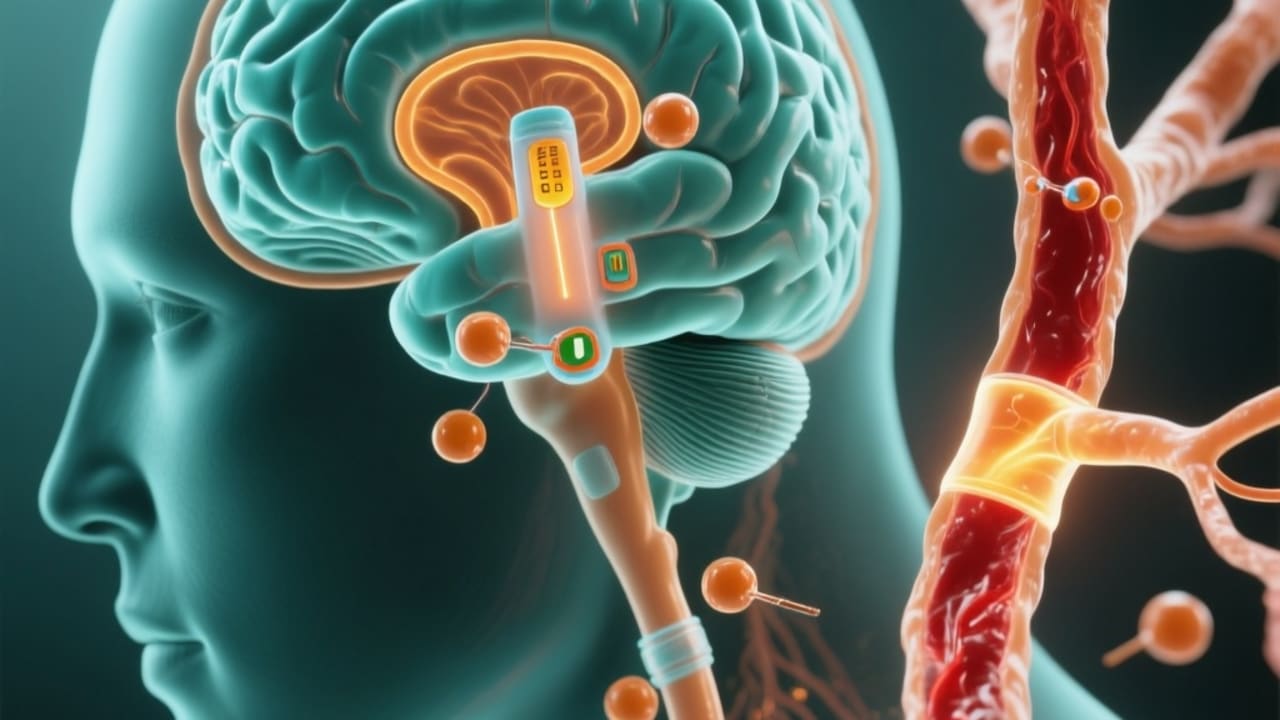
Why Spikes Can Feel Like Anxiety
Most people have been there — heart a bit racy, patience frayed, and a “hangry” edge after a carb‑heavy lunch. Rapid rises and drops in glucose can nudge neurotransmitters like serotonin and dopamine out of balance, which may show up as irritability, stress sensitivity, or low mood.
Clinicians have long observed that glucose lows can trigger shakiness and a “wired‑but‑tired” feeling. A 2024 overview from the Brain & Behavior Research Foundation, summarizing NPJ Digital Medicine work, noted that moment‑to‑moment glucose changes tracked with moment‑to‑moment cognitive shifts in type 1 diabetes — enough that the authors suggested avoiding speed‑dependent tasks during big highs or lows. Again, different population, same principle: brain chemistry likes steady.
Some neurology explanations emphasize that repeated spikes can disrupt the work of neurotransmitters and worsen stress responses, making everyday stressors feel more intense (Lonestar Neurology review). That doesn’t mean sugar “causes” anxiety, but it does mean your snack pattern can make a tense afternoon feel a lot tougher.
Food Order, Fiber, and Glycemic Load: The Levers You Control
Here’s what’s surprising: you might not need a new diet — you may just need a new order. Eating fiber and protein before starch slows gastric emptying and temper spikes, so your brain gets a steadier stream of fuel.
Dr. Louis Aronne’s team at Weill Cornell reported in a clinical study that consuming protein and vegetables before carbs cut post‑meal glucose compared with eating the same foods in the reverse order (Journal of Clinical Nutrition/Weill Cornell, 2015). The meal didn’t change — only the sequence did.
Swaps help too. Whole fruit outperforms fruit juice because fiber slows absorption. Pairing carbs with protein or healthy fats — think Greek yogurt with berries instead of a muffin — may smooth the curve. And portioning starchy carbs to the size of your cupped hand keeps things in the “steady” zone more often.
Movement is a powerful lever. A 2022 evidence review in Sports Medicine found that light activity “snacks” and post‑meal walking reduce postprandial glucose in adults. Most people can manage 10–15 minutes after a meal — a loop around the block beats a nap on the spike scoreboard.

Sleep, Stress, and Screens: Non‑Food Drivers That Matter
Ever notice your cravings explode after a short night? That’s biology, not weakness. A meta‑analysis in Diabetologia reported that even partial sleep restriction reduces insulin sensitivity, which can push glucose higher the next day — even if your meals look “normal.”
Stress hormones like cortisol also raise blood glucose to prep your body for “fight or flight.” Chronic stress, back‑to‑back meetings, and relentless pings can keep that signal on. Short breathing breaks and boundaries around screens can help your nervous system downshift — and your glucose along with it.
Think of your day like a mixing board. Food is one slider. Sleep and stress are two others. When you nudge all three toward “steady,” your brain’s headlines — focus, mood, recall — usually read better by evening.
Why This Matters
This isn’t about cutting every sweet forever. It’s about designing your day so your brain has what it needs when it needs it. When glucose is steadier, you’re more likely to finish the deck, keep your cool in traffic, and have a little energy left for the people you love.
When your blood sugar steadies, your brain stops firefighting and starts focusing.
But what does that actually mean for your Monday morning? It means eating your eggs and greens before your toast. It means a 12‑minute walk after tacos. It means guarding your sleep like a meeting you can’t miss. Small moves, big returns.
What You Can Do Today
- Try “fiber/protein first”: Start meals with vegetables and a protein, then eat the starch. Research suggests this sequence may blunt spikes.
- Add a short walk: 10–15 minutes after lunch or dinner may reduce post‑meal glucose and the crashy slump.
- Pair your carbs: Combine carbs with protein or healthy fat (e.g., apple + peanut butter) to slow absorption and support steadier energy.
- Swap smart: Choose whole fruit over juice, intact grains over refined, and consider saving dessert for after a protein‑rich meal.
- Protect sleep and de‑stress: Aim for a consistent sleep window and 2–3 brief breathing breaks during the day; both may help your glucose stay steadier.
If you have diabetes, are pregnant, or take medications that affect blood sugar, discuss changes with your clinician. Everyone’s “steady” looks a little different — the goal is less swing, more signal.
You don’t need a perfect diet to think clearly. You just need fewer roller coasters. If this resonated, share it with the friend who always says, “I’m just not a morning person.” Their brain might be asking for steadier fuel.
Frequently Asked Questions
Occasional spikes happen to everyone, but frequent large swings may be linked with brain fog, irritability, and higher long‑term risk for metabolic issues. Steadier patterns through meal order, fiber, and short post‑meal walks may help. If you’re concerned, a clinician can guide testing and next steps.
Sugar doesn’t directly “cause” anxiety or depression, but rapid glucose rises and drops can worsen stress sensitivity and mood swings in some people. Keeping carbs with protein/fiber, and adding movement and sleep support, may make mood more stable.
For many, a 10–15 minute walk after meals noticeably reduces the crash. Pair that with eating veggies/protein before starch and choosing whole fruit over juice for a strong one‑two punch.