
Most people blame willpower when energy dips, joints ache, or sleep feels off. Here’s the thing: what’s on your plate can quietly be stoking a low, constant fire in the background.
Picture this: same breakfast, same desk, same 3 p.m. crash—day after day. It’s not just “getting older.” Certain everyday foods nudge your immune system to stay on high alert, while others help it stand down.
The surprise? You don’t need a 27-step protocol. A few smart, repeatable swaps can cool inflammation and support your gut—without living on salad and willpower alone.
- Prioritize pattern over perfection: Build plates around fish, plants, whole grains, legumes, and olive oil.
- Gut first: Daily fiber + fermented foods may lower inflammatory signals.
- Smart swaps beat restriction: Trade deli meats/UPFs for beans, nuts, eggs, or fish.
- Color matters: Berries and leafy greens bring polyphenols that may “turn down” immune noise.
- Counterintuitive: A little full‑fat fermented dairy (yogurt/kefir) can fit and may help your microbiome.
Most people blame willpower. The real spark is what you’re buying.
If your cart is heavy on ultra‑processed foods—think packaged snacks, sugary drinks, refined breads, and some ready meals—your gut and immune system notice. These products tend to be low in fiber and high in additives, which can shift gut bacteria and keep inflammation humming.
A 2025 report in the journal Nutrients, summarized by Harvard Health, noted that ultra‑processed foods may alter the gut microbiome, damage the gut lining, and switch on inflammatory genes in cells. That’s a big deal because your gut is where immune decisions get made every hour of the day.
Relatable picture: you grab a “light” granola bar and a diet soda thinking you made the better choice. But there’s almost no fiber to feed your gut microbes and little to slow blood sugar swings—both of which can nudge inflammation up. A handful of nuts and a piece of fruit would land very differently.
Your anti-inflammatory plate in 5 moves
1) Anchor with omega‑3s (fatty fish or algae)
Fatty fish like salmon, sardines, trout, and mackerel deliver EPA and DHA—fats your body uses to make pro‑resolving molecules that help your immune system “cool off.” Many people find two fish meals per week a realistic start; algae‑based omega‑3s can help if you’re plant‑forward.
Most people have been there—staring at a dry chicken breast again. Swapping in canned sardines on sourdough with lemon and capers can feel gourmet and brings those marine omega‑3s with almost no prep.
2) Go heavy on leafy greens and crucifers
Spinach, kale, arugula, and crucifers (broccoli, cauliflower, Brussels sprouts) pack fiber, magnesium, and sulfur compounds that support your body’s own antioxidant systems. A leafy base at lunch is an easy daily anchor.
A large Spanish trial of a Mediterranean‑style pattern (PREDIMED) reported reductions in some inflammatory markers when participants emphasized extra‑virgin olive oil, nuts, vegetables, legumes, and fish—exactly the foods we’re stacking here.
3) Add a daily “polyphenol pop” (berries, olives, herbs)
Berries, olive oil, dark chocolate (70%+), and herbs like rosemary and oregano are rich in polyphenols—plant compounds linked with calmer inflammatory signaling and happier gut microbes. Think: a cup of blueberries with yogurt, or a generous drizzle of robust extra‑virgin olive oil on greens.
Turmeric is the headliner here. A 2019 meta‑analysis in Nutrients reported curcumin supplementation was associated with lower C‑reactive protein (CRP), an inflammation marker. In the kitchen, pairing turmeric with black pepper and fat (like olive oil) may help absorption.
4) Feed your microbiome: fiber + fermented foods
Fiber from beans, lentils, oats, chia, and veggies becomes food for gut bacteria, which ferment it into short‑chain fatty acids—compounds that may help maintain a calm, resilient immune system. Then add a spoonful of live‑culture foods: yogurt, kefir, kimchi, sauerkraut, miso.
Stanford researchers found in a 2021 Cell trial that a fermented‑food diet increased microbiome diversity and reduced several inflammatory markers over 10 weeks. That’s a powerful “gut first” proof‑of‑concept you can try at home.
5) Make carbs work for you (intact grains, not white fluff)
Choose intact or minimally processed grains (farro, quinoa, steel‑cut oats, brown rice) over white bread, pastries, and many boxed cereals. The fiber + micronutrients + slower digestion help steady blood sugar—one way food nudges inflammation down instead of up.
Weekend batch move: cook a pot of quinoa and roast a tray of veggies. All week you’ve got a 5‑minute base for bowls that feel substantial and keep you satisfied.
Gut-first is the shortcut: why it works
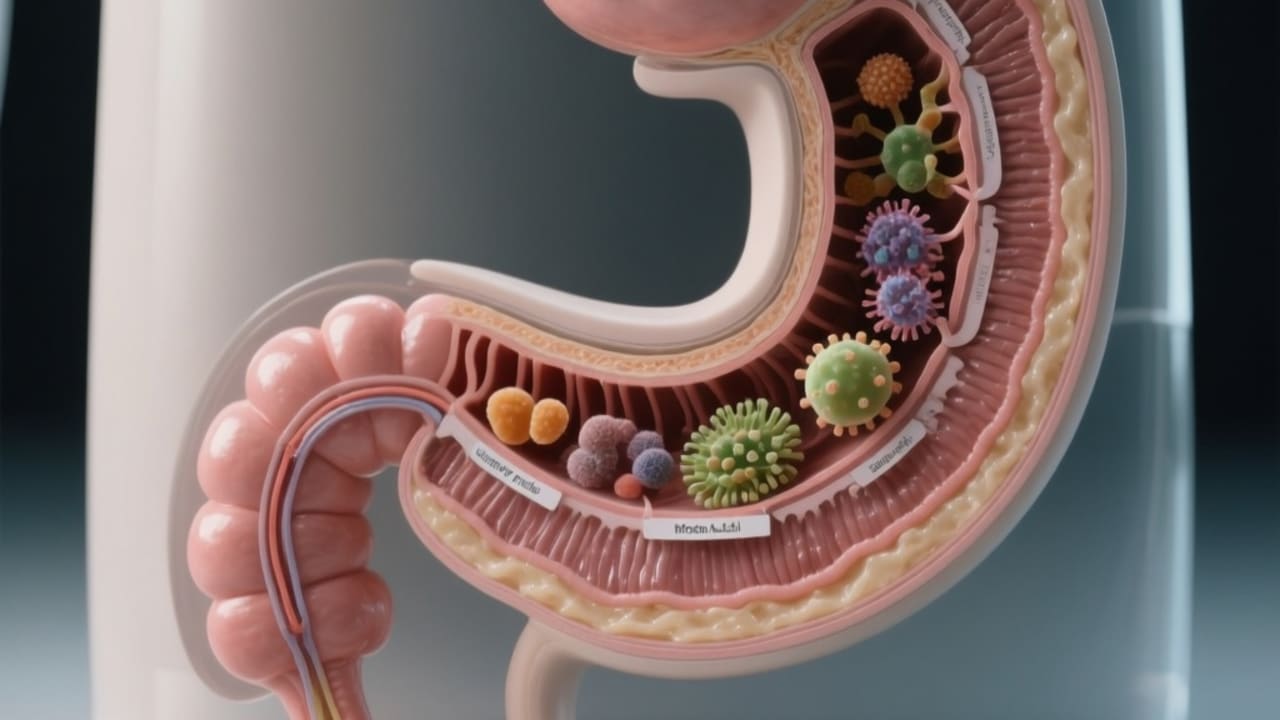
Your gut lining is a literal border. When it’s well‑fed with fiber and fermented foods, microbes produce compounds that help keep that barrier tight and inflammatory “alarms” quieter. When the diet leans ultra‑processed, that border can get leaky—and immune noise rises.
A 2025 review in Nutrients (covered by Harvard Health) highlighted how ultra‑processed foods may disrupt gut bacteria and activate inflammatory genes. On the flip side, the 2021 Cell trial from Stanford showed a daily fermented‑food habit can lower inflammatory markers in just a few weeks. Put together, it’s a clear direction of travel: feed the gut you want.
Analogy time: think of your gut like a neighborhood. Fiber is the steady paycheck; fermented foods are the community centers. Fund both, and the neighborhood stays calm, clean, and safe.

Why this matters
Because this isn’t about perfection—it’s about how you feel on a random Tuesday. Fewer afternoon crashes, steadier moods, joints that feel less creaky after a workout, a gut that’s not constantly negotiating with you. Those are the “quiet wins” readers message us about most.
“You don’t need a cleanse. You need a plate that tells your immune system, ‘You’re safe. Stand down.’”
And it’s flexible. Whether you’re omnivore, vegetarian, or somewhere in between, the same levers apply: more fiber, more color, more fermented foods, more omega‑3s—fewer ultra‑processed “fillers.”
What you can do today
- Build one anti‑inflammatory lunch: Greens + canned salmon/sardines or chickpeas + olive oil + sauerkraut. Research suggests this combo delivers fiber, omega‑3s, and fermented benefits.
- Swap one UPF snack: Replace chips/candy with berries and a small handful of nuts. This may help steady blood sugar and add polyphenols.
- Add one fermented spoonful daily: Yogurt, kefir, kimchi, or miso in a dressing. The Stanford Cell trial suggests this habit may lower inflammatory markers.
- Cook once, eat three times: Batch a grain + a tray of veggies on Sunday. Having “bases” ready is linked with better adherence to healthier patterns.
- Spice it right: Season with turmeric, ginger, garlic, and herbs. A 2019 Nutrients meta‑analysis suggests curcumin may lower CRP; culinary use is a gentle, low‑risk way to include it. If considering supplements, discuss with your clinician.
Small swaps stack. Try one this week, then another. Your future self—clear‑headed, better‑rested, less creaky—will thank you. If this helped, share it with the person who always asks what to eat next.
Frequently Asked Questions
Many people with autoimmune conditions focus on fiber, omega‑3s, and fermented foods. These choices may help, but individual triggers vary—keep a food/symptom log and discuss changes with your clinician.
Some people notice digestion and energy shifts within 2–4 weeks, especially when they add fiber and fermented foods. Joint and skin changes can take longer; stay consistent and check in with your healthcare team.
Culinary turmeric offers flavor and gentle support, especially with black pepper and fat. Some studies suggest curcumin supplements may lower CRP, but quality and dosing vary—review options with your clinician if you’re considering supplements.