
You know that feeling when your thoughts are racing and your stomach knots at the same time? That overlap isn’t random. The same network that digests your lunch also texts your brain—constantly—about stress, safety, and energy.
Here’s what’s surprising: much of the traffic goes from gut to brain, not the other way around. And those messages can shift within days when your diet, sleep, and stress change.
Most people try to “think” their way to calmer moods. But the real lever might be on your plate—and inside the trillions of microbes that help run your nervous system’s back channel.
- Your gut talks first: Signals via the vagus nerve, immune messengers, and hormones can nudge mood and stress responses.
- Diet shifts work fast: Microbial activity may change within days; feelings often follow over weeks.
- Probiotics can help (modestly): Early trials suggest small mood/anxiety benefits for some people—choose targeted strains.
- Counterintuitive: A little fermented food daily may matter more than mega-fiber all at once—go slow and steady.
- No magic test: Stool reports aren’t mood diagnoses; use them, if at all, as learning tools, not verdicts.
The surprising route from gut to mood
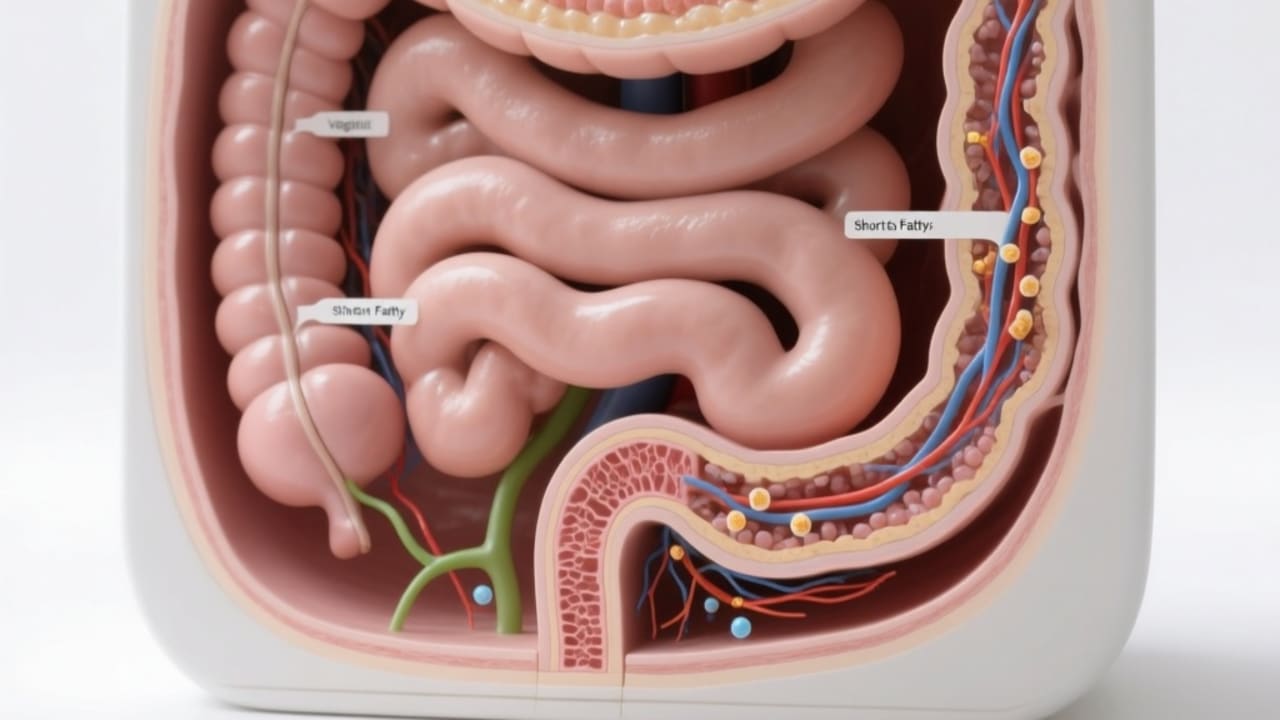
Picture this: your gut is a buzzing control room. Microbes break down fiber into short-chain fatty acids that calm inflammation; the vagus nerve carries “all clear” or “on alert” messages; stress hormones ebb and flow with what and when you eat.
A 2026 review in Frontiers in Microbiomes (Ataei and colleagues) described the microbiome as a major player in mental health, influencing brain function through nerve signaling, immune pathways, stress hormones, and microbial metabolites. That map helps explain why the same lunch can leave one person energized and another edgy.
Here’s the thing: this isn’t about “good” or “bad” bacteria in a cartoon battle. It’s about balance and diversity—enough microbial voices to keep your internal group chat reasoned, not reactive.
Is your microbiome “off”? What that really means
Most people have been there—bloating, brain fog, mood dips—and want a single culprit. But there’s no one “anxiety microbe.” Patterns matter more than one species, and context (sleep, stress, meds) matters, too.
Dr. Jane Foster at UT Southwestern has highlighted translational research linking microbial profiles to anxiety traits, while also noting that human data are still maturing and highly individual. In other words, an imbalanced microbiome may nudge vulnerability, but it doesn’t write your destiny.
So if your digestion is weird and your mood is low, think systems, not silver bullets. Food, movement, daylight, and stress practices often shift the whole network more than a single supplement.
Food and probiotics that may support your mood
Start with patterns you can keep on a Tuesday. A plant-forward plate (vegetables, beans, whole grains, nuts, seeds) feeds microbes that make short-chain fatty acids—chemical “notes” that may support calmer immune signaling.
Fermented foods—yogurt with live cultures, kefir, kimchi, sauerkraut, tempeh—deliver microbes plus bioactive compounds. Many people notice less post-meal heaviness and steadier energy when adding small daily portions.
A 2026 Frontiers in Microbiomes review and summaries in clinical outlets reported early trials where probiotic blends and dietary changes were associated with modest improvements in mood and anxiety for some participants. Pharmacy-focused reporting also notes that psychiatric medications may shift the gut microbiome, reinforcing the two-way link.
Practical plate builders
- Anchor meals with fiber: think chickpea bowls, farro salads, lentil soups, berry oats.
- Add a daily fermented food: 1/2 cup yogurt or kefir, or a forkful of kimchi/sauerkraut.
- Color-load plants: herbs, olive oil, nuts, and polyphenol-rich foods (berries, cocoa, olive oil) may support microbial diversity.
- Mind timing: consistent meals and protein at breakfast can steady cortisol rhythms.
- Consider a trial of a multi-strain Lactobacillus/Bifidobacterium probiotic for 4–8 weeks; evaluate sleep, stress, and digestion—not just mood.
Because supplements aren’t set-and-forget, check labels for strain and CFU, start low, and track how you feel. If you take psychiatric or GI medications, it’s worth discussing any new probiotic or fiber change with your clinician.

The data question: personalization meets privacy
Personalized microbiome plans sound great: sequence your stool, get an AI plan, feel better. But there’s a catch—your microbial profile is sensitive health data.
Commentators following the 2026 research push have flagged a likely privacy fight as microbiome data start predicting health risks. Who holds that profile—you, your doctor, your insurer, or the company running the algorithm?
If you use a testing service, read data policies, opt out of data sharing when possible, and treat reports as educational. There’s value in learning, but the most reliable levers—food quality, sleep, stress, movement—don’t require handing over your data.
Why this matters
But what does that actually mean for your Monday morning? It means breakfast can be a nervous-system intervention. It means your afternoon walk isn’t just “steps”—it’s microbial gardening. And it means you can work on mood from the inside out while you work on it from the top down with therapy or skills.
“When food, microbes, and mind point in the same direction—even slightly—stress feels more handle-able.”
You don’t need perfection. You need a few repeatable moves that nudge your internal messages toward safety and steadiness.
What you can do today
- Build a fiber-first breakfast: oats or chia pudding with berries and nuts may help steady cortisol and feed beneficial microbes.
- Add one fermented food daily: start with 2–3 spoonfuls and increase as tolerated to support microbial diversity.
- Trial a targeted probiotic: a multi-strain Lactobacillus/Bifidobacterium blend for 4–8 weeks may help some people; track mood, sleep, and GI comfort.
- Reduce ultra-processed “noise”: swap one snack for fruit + nuts or hummus + carrots—research suggests less emulsifier/sugar load may support gut signaling.
- Protect sleep and daylight: consistent light in the morning and wind-down at night can align circadian signals that interact with gut-brain messaging.
Small changes compound. Share this with a friend who’s working on their mood—and trade one fermented add-on you’ll both try this week.
Frequently Asked Questions
There’s no single “best,” but blends containing Lactobacillus and Bifidobacterium strains have shown modest benefits in small trials. Look for clearly listed strains, start low, and reassess after 4–8 weeks with your clinician if you’re on medication.
No. Current stool tests can’t diagnose or predict mental illness. They may offer learning points (diet diversity, potential imbalances), but results should be interpreted cautiously and with attention to privacy policies.
Microbial activity can shift in days, but mood changes often take weeks. Many people reassess at 4–8 weeks; keep sleep, stress, and movement steady to give the plan a fair test.