Picture this: you crush a sweet latte and a “healthy” muffin at 9:30. You’re flying — until 11:15, when your focus slides, emails blur, and your mood snaps for no reason. You don’t lack willpower. Your brain is riding a glucose roller coaster.
Most people blame stress or poor sleep for mid-day brain fog. But here’s the thing — sharp spikes in blood sugar after meals can scramble neurotransmitters, stress your brain’s blood vessels, and make you feel wired, then weirdly flat. Over years, those swings may nudge dementia risk higher than you’d expect.
The good news: a few smart meal moves and tiny habit shifts can flatten the curve fast — without giving up carbs entirely.
- Big post-meal glucose spikes can cloud attention and mood within hours.
- People with frequent 2-hour post-meal spikes had a 69% higher relative Alzheimer’s risk in one analysis (Diabetes, Obesity and Metabolism).
- Pair carbs with protein, fiber, and fat — and take a 10-minute walk after eating — to blunt spikes.
- Counterintuitive: starting a meal with veggies can reduce the glucose rise more than changing what you eat later.
- Both highs and lows matter — the CDC links chronic highs and sudden lows to brain stress and cognitive issues.
What a Spike Does Inside Your Head
Think of your brain like a high-performance EV — it runs best on a steady current, not surges. A rapid rise in blood sugar triggers a fast insulin response. That swing can disrupt the careful balance of dopamine and serotonin that underpins focus and mood, leaving you edgy, then drained.
Harvard Medical School explains that while the brain needs glucose, too much for too long can impair functional connectivity and even contribute to brain shrinkage and small-vessel disease — changes tied to problems with thinking and memory (Harvard Medical School, “Sugar and the Brain,” 2016). In animal work, a 2012 UCLA study linked high fructose intake to slower learning and memory, hinting at how sugar excess can tangle neural signaling over time.
You know that feeling when a meeting is halfway done and your attention “tilts” off-axis? That’s the lived experience of a rapid rise and fall — neurotransmitters wobble, and your prefrontal cortex (the brain’s CEO) starts missing cues.
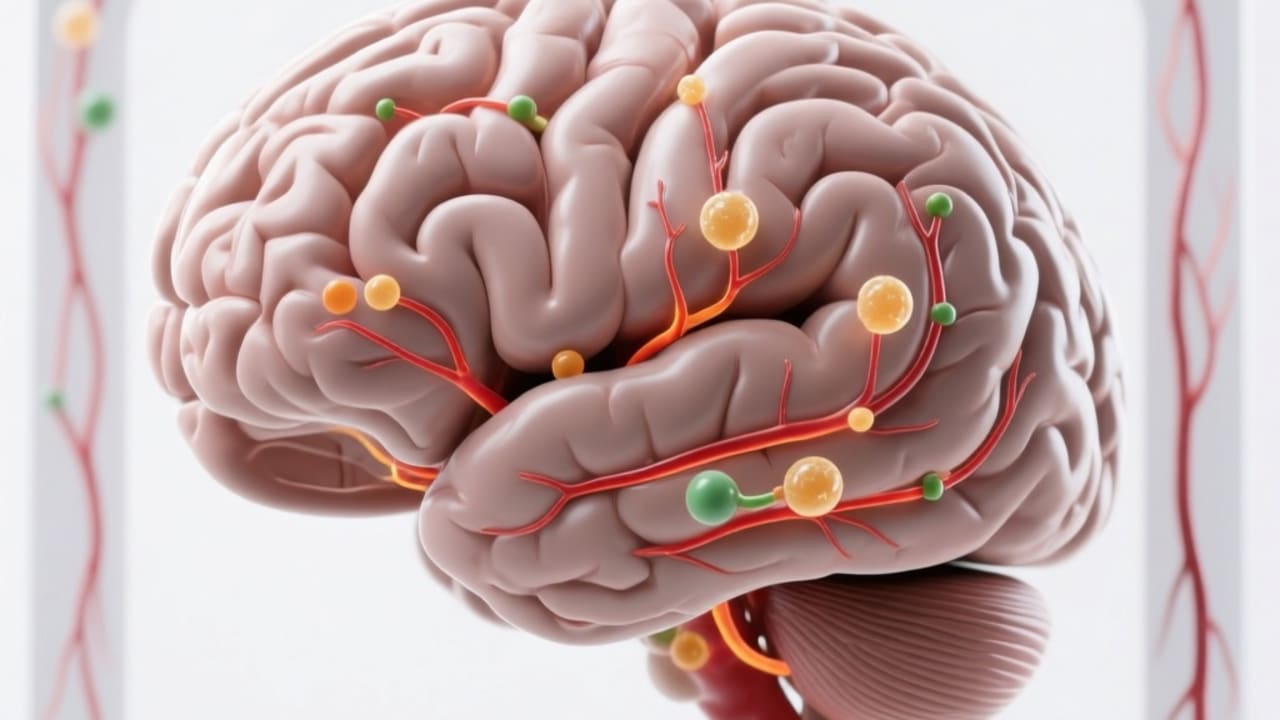
The Long Game: Spikes, Insulin, and Dementia Risk
Short-term fog is annoying. The long-term picture matters more. Repeated post-meal spikes can push the body toward insulin resistance — and the brain isn’t immune. When insulin signaling falters in the brain, neurons struggle to use glucose efficiently, and inflammatory pathways can rev up.
An analysis published in Diabetes, Obesity and Metabolism reported that people with abnormally high blood sugar two hours after eating had a 69% higher relative risk of developing Alzheimer’s disease than peers without those spikes, independent of other risk factors (lead author Andrew Mason, PhD). That doesn’t mean spikes “cause” Alzheimer’s — but it does suggest that taming the post-meal surge could be a meaningful prevention lever.
Harvard’s review also points to long-term high glucose as a driver of brain atrophy and small-vessel damage, both tied to cognitive decline. So those daily surges aren’t just “bad vibes” — they may be laying down patterns you don’t want.
Meals Matter: Simple Ways to Flatten the Curve
Most people have been there — cereal or a pastry at 8am, a productivity cliff at 10:45. Swap sequence and structure, not your entire diet. Starting with fiber-rich veggies, then protein and fat, and eating starches last can soften the glucose rise more than changing total calories.
A 2022 meta-analysis in Sports Medicine found that light physical activity after meals — think 2–10 minutes of easy walking — meaningfully reduces postprandial glucose compared with sitting. Small human trials also suggest that adding vinegar (acetic acid) to meals can modestly reduce the glucose spike from starchy foods, likely by slowing gastric emptying. Results vary, but for many, these tweaks are low-lift and noticeable.
Smart breakfast formula
Aim for protein (20–30g), fiber (8–10g), and healthy fat. Example: Greek yogurt with chia and berries, or eggs with sautéed greens and a slice of sourdough eaten last. Save fruit juice or sweetened coffee for alongside food — not on an empty stomach.
Carb pairings that work
Love rice, pasta, or tortillas? Pair them with beans, fish, tofu, or eggs, and add a salad starter. Even swapping white rice for cooled-and-reheated rice or potatoes (which increases resistant starch) may yield a gentler curve for some people.

Crashes vs. Highs: Know the Signs
Low blood sugar can hit fast — dizziness, shakiness, irritability, trouble concentrating, sometimes slurred speech. The CDC notes that severe lows can cause fainting or seizures and require urgent treatment. If you use glucose-lowering medications, work with your clinician on prevention and monitoring.
Chronic highs, on the other hand, stress the brain’s blood vessels over time. The CDC links prolonged hyperglycemia to reduced blood flow, brain cell damage, and vascular dementia risk. The tricky part? Highs often feel silent — which is why steadying your day-to-day pattern is worth it even if you “feel fine.”
Real life filter: if late-morning meetings feel like wading through molasses, or you’re a different person by 3pm, map your meals to your mental dips. The pattern often gives you more insight than any label on a snack bar.
Why This Matters
You don’t need a diagnosis to protect your brain. The way your blood sugar rises and falls today shapes how clearly you think this afternoon — and possibly how resilient your brain stays years from now. Tiny, boring-sounding choices add up: oatmeal with nuts instead of a muffin; a 7-minute stroll after lunch; veggies first at dinner. They’re not flashy, but your neurons notice.
“Your brain runs on glucose — but it thrives on steady, not spiky.”
And if you already manage diabetes or prediabetes, smoothing the curve may help your mood, energy, and focus now, not just lab numbers later. Partner with your care team to personalize the plan.
What You Can Do Today
- Front-load fiber and protein: Start meals with non-starchy veggies, then add 20–30g protein. This sequence may help blunt post-meal glucose.
- Move a little after meals: Research suggests 2–10 minutes of easy walking can reduce the spike compared with sitting.
- Pair, don’t skip, carbs: Combine starches with fat and fiber (olive oil, avocado, beans) to slow absorption and may help mood stay steadier.
- Consider a splash of vinegar: A small amount with starchy meals may modestly lower the rise for some people. If you have reflux or GI issues, discuss first.
- Track patterns, not perfection: A simple journal — what you ate, when the fog hit — can reveal triggers. If you use a CGM or glucose meter, review trends with a clinician or dietitian.
None of this replaces medical care, especially if you take medications that affect blood sugar. If you notice frequent lows, new confusion, or severe fatigue, seek care promptly.
Small shifts, big dividends. Share this with the coworker who’s always crashing at 3pm — then take that post-lunch walk together.
Frequently Asked Questions
Within 1–3 hours after a high-carb meal, some people notice brain fog, irritability, or a slump in attention. Pairing carbs with protein/fiber and a brief post-meal walk may help.
Not necessarily. Research suggests steadying post-meal glucose — via meal sequencing, smart pairings, and light movement — may be more impactful than total avoidance for many people.
Occasional spikes are normal, but frequent large spikes may stress brain vessels and are linked with higher dementia risk. It’s worth adopting steadying habits and discussing screening if you have risk factors.