You can meal-prep like a pro and still feel wiped by 3 p.m. The gym is non-negotiable, your macros look tidy—yet the brain fog, chill-in-your-bones cold, or brittle nails keep nagging. Most people blame stress or sleep. But there’s another quiet culprit many of us overlook.
Hidden hunger—mild micronutrient gaps that don’t look like “deficiency” on the surface—can drain energy, mood, and focus. Global estimates suggest billions live with at least one micronutrient shortfall, even in high-income countries where plates are full but nutrients aren’t always (think energy-rich, nutrient-poor meals).
Here’s the thing: these gaps whisper before they shout. If you know the signals and the next steps, you can often course-correct early with smart food choices and targeted testing—no biohacking required.
- Common “quiet” signs: persistent fatigue, brain fog, low mood, hair thinning, brittle nails, feeling cold.
- Big four gaps to check: vitamin D, iron, B12, and iodine—especially if you’re plant-forward or limit iodized salt.
- Test, don’t guess: ferritin for iron stores, 25(OH)D for vitamin D, B12 ± MMA, and thyroid labs when iodine intake is low.
- Food moves the needle: pair plant iron with vitamin C, use iodized salt, include B12-fortified foods or a supplement if vegan.
- Counterintuitive: fancy sea salts are usually not iodized—great flavor, little iodine.
The quiet signs your body sends
Most people have been there—wide awake at 2 a.m., mind buzzing, only to drag the next day. Add hair shedding in the shower, nails that peel, or headaches after workouts, and you start to wonder what you’re missing. Subtle doesn’t mean imaginary; it just means the signals aren’t dramatic yet.
A 2022 analysis in The Lancet Global Health highlighted that micronutrient deficiencies can present with fatigue, impaired cognition, and reduced immunity long before classic textbook symptoms appear. Iron shortfalls may show up as low stamina. Low vitamin D can track with muscle aches. Inadequate B12 may mean pins-and-needles or fogginess. Iodine shortfalls can leave you cold and sluggish due to thyroid slowdown.
Picture this: you’re hitting your steps and hitting your protein—but you’re sipping coffee with every meal (polyphenols can hinder iron uptake) and favoring sea salt over iodized. Tiny choices add up to quiet signals.
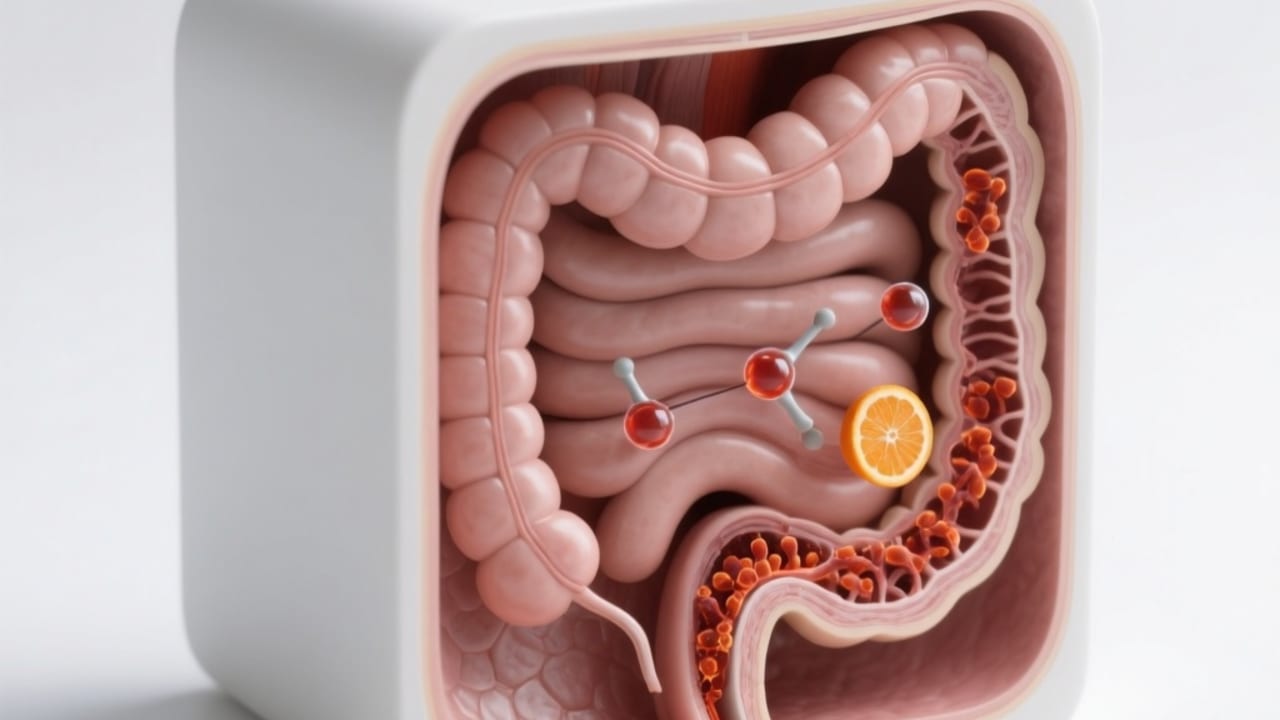
The big four gaps: who’s at risk and why they matter
Vitamin D: the “sunshine” shortfall
Few foods provide much vitamin D, and sunscreen (wise for skin) blocks UV-driven production. Adults with low levels may notice muscle weakness or low mood over time. A 2021 Endocrine Society scientific statement noted that deficiency is common and linked to bone health and fracture risk; supplementation may help when levels are low.
Risk rises if you live at higher latitudes, have darker skin, spend most time indoors, or cover skin for cultural or medical reasons.
Iron: energy’s bottleneck
Iron deficiency is the most prevalent micronutrient deficiency worldwide, according to the World Health Organization. It can show up as fatigue, shortness of breath with stairs, brittle nails, or headaches—sometimes even with “normal” hemoglobin if ferritin (your iron storage) is low.
People who menstruate, endurance athletes, frequent blood donors, and plant-forward eaters are at higher risk—especially if meals are heavy on coffee/tea, which can inhibit non-heme iron absorption.
Vitamin B12: the nerve and brain nutrient
B12 supports red blood cell formation and nerve function. Low intake may feel like brain fog, tingling in hands/feet, or fatigue. The NIH Office of Dietary Supplements notes that B12 deficiency risk increases with vegan diets, low intrinsic factor (pernicious anemia), certain GI conditions, and long-term use of metformin or acid-reducing meds.
Because B12 is primarily in animal foods, vegans typically need fortified foods or a supplement to maintain healthy levels.
Iodine: small mineral, big thyroid impact
Iodine makes thyroid hormones that regulate metabolism. Mild deficiency can mean feeling cold, sluggish, or noticing neck fullness over time. Research in Thyroid has reported pockets of mild iodine deficiency even in high-income countries as iodized salt use declines and more meals are cooked with non-iodized gourmet salts.
Higher risk: pregnancy and postpartum (iodine needs rise), dairy-free eaters (dairy is a common source), and people who avoid iodized salt.
How to check without guesswork
Self-diagnosing from a symptom list can backfire. Lab work offers clarity. For iron, the British Society for Haematology recommends serum ferritin as the first-line test for iron stores, with additional markers (transferrin saturation, hemoglobin) as needed. For vitamin D, the 25-hydroxyvitamin D blood test is standard.
B12 can be checked with a serum B12 test; if results are borderline, methylmalonic acid (MMA) may help confirm functional status. For iodine, there’s no routine single perfect blood test—thyroid labs (TSH, free T4) can flag thyroid effects, while urinary iodine is used for population studies and sometimes individual context.
Because blanket screening isn’t always helpful, the U.S. Preventive Services Task Force has said evidence is insufficient to screen all asymptomatic adults for vitamin D. That said, targeted testing based on symptoms, diet, and risk factors is worth discussing with your clinician or dietitian.
Food-first strategies that actually work
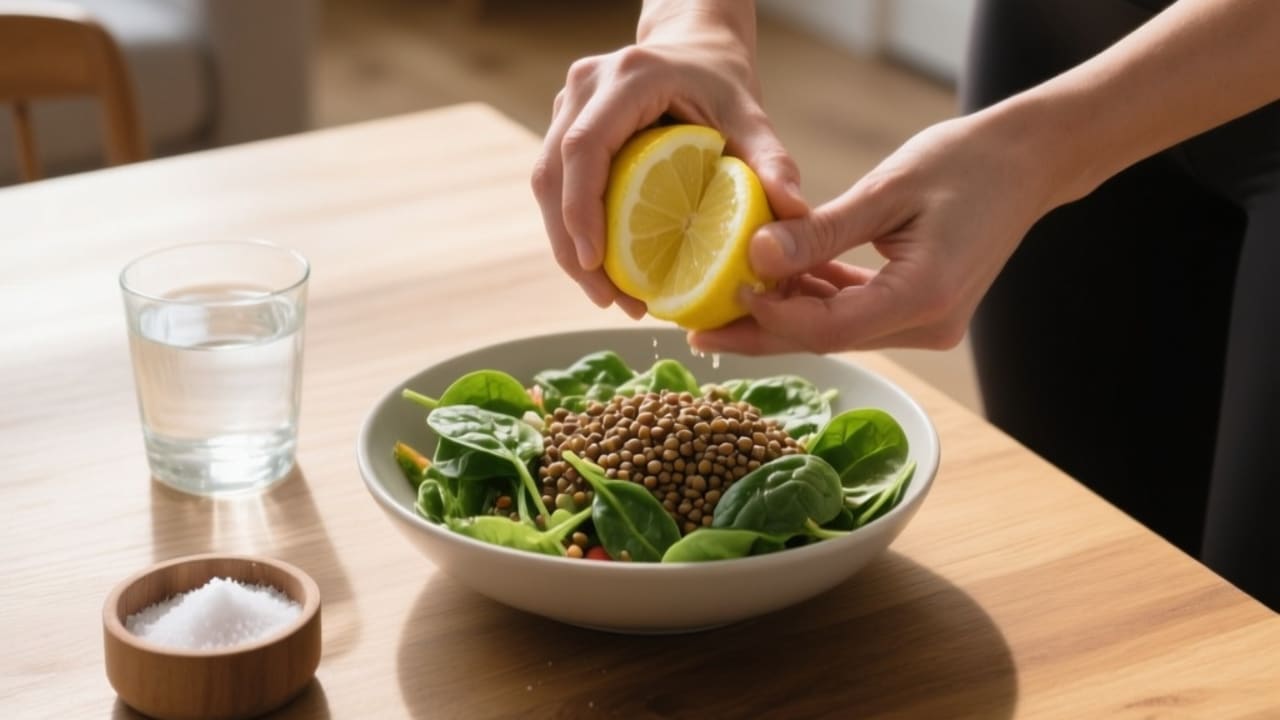
Think of your plate like a playlist—some pairings amplify, others mute. Non-heme iron from beans, lentils, and spinach absorbs better with vitamin C. An American Journal of Clinical Nutrition paper showed vitamin C can meaningfully boost non-heme iron absorption in a single meal.
On the flip side, coffee and tea with meals can reduce non-heme iron absorption due to polyphenols; having them between meals may help. Calcium supplements can also compete with iron, so spacing them out is sensible if you take both.
For vitamin D, fatty fish, egg yolks, and UV-exposed mushrooms help, but many people still need a supplement, especially in winter. A 2020 review in The Journal of Clinical Endocrinology & Metabolism supports supplementation when levels are low, ideally with periodic testing and medical guidance.
B12 is abundant in animal products; if you’re vegan or mostly plant-based, use B12-fortified milks, nutritional yeast, or consider a cyanocobalamin or methylcobalamin supplement. For iodine, choose iodized salt for home cooking (you still control sodium) and add seaweed in moderation; very high seaweed intake can overshoot iodine.
Relatable snapshot: chili night. Add a squeeze of lime (vitamin C) to your bean chili, skip the tea until later, sprinkle iodized salt while cooking, and top with a spoon of yogurt (if you do dairy)—small tweaks, bigger payoff.
Why this matters
Micronutrients touch everything—energy for your 4 p.m. workout, patience for your toddler’s bedtime, clarity for a high-stakes meeting. You don’t need a perfect diet; you need a diet that reliably covers the few nutrients your routine might be missing.
“You shouldn’t have to white-knuckle through your day. Often, a few informed tweaks—and the right lab check—bring the lights back on.”
What you can do today
- Do a quick audit: Are you using iodized salt at home? Getting vitamin D sources 3–4 times weekly? Including iron-rich foods plus vitamin C most days?
- Pair smartly: Add citrus, tomatoes, or berries to plant-iron meals; have coffee/tea at least an hour away from iron-rich foods or supplements.
- Ask your clinician about targeted labs if symptoms persist: ferritin, 25(OH)D, B12 ± MMA, and thyroid panel when iodine intake seems low.
- Consider supplements if levels are low or needs are high; choose evidence-based forms and doses, and recheck labs to avoid overshooting.
- Keep it steady: Consistency beats perfection—set two “anchor” meals each week that cover iron, B12 (or fortified), vitamin D sources, and iodized salt.
Your body’s been whispering for a while. Now you know what to listen for—and how to respond. If this helped, share it with the friend who’s always cold and always tired. They’ll thank you later.
Frequently Asked Questions
Ask for a ferritin test. Ferritin reflects iron stores and may flag low iron even when hemoglobin looks normal. Your clinician can add hemoglobin and transferrin saturation if needed.
Some people meet needs with reliably fortified foods several times per day, but many vegans find a B12 supplement simpler. A quick blood test can help you and your clinician decide.
Limited, mindful sun may raise vitamin D, but skin cancer risk is real. Many clinicians prefer using food and supplements to reach target levels, with periodic 25(OH)D testing.