You’ve tracked the macros, closed your rings, and somehow the scale still shrugs. Meanwhile, one “normal” weekend and your appetite roars back like you never even tried. Frustrating doesn’t begin to cover it.
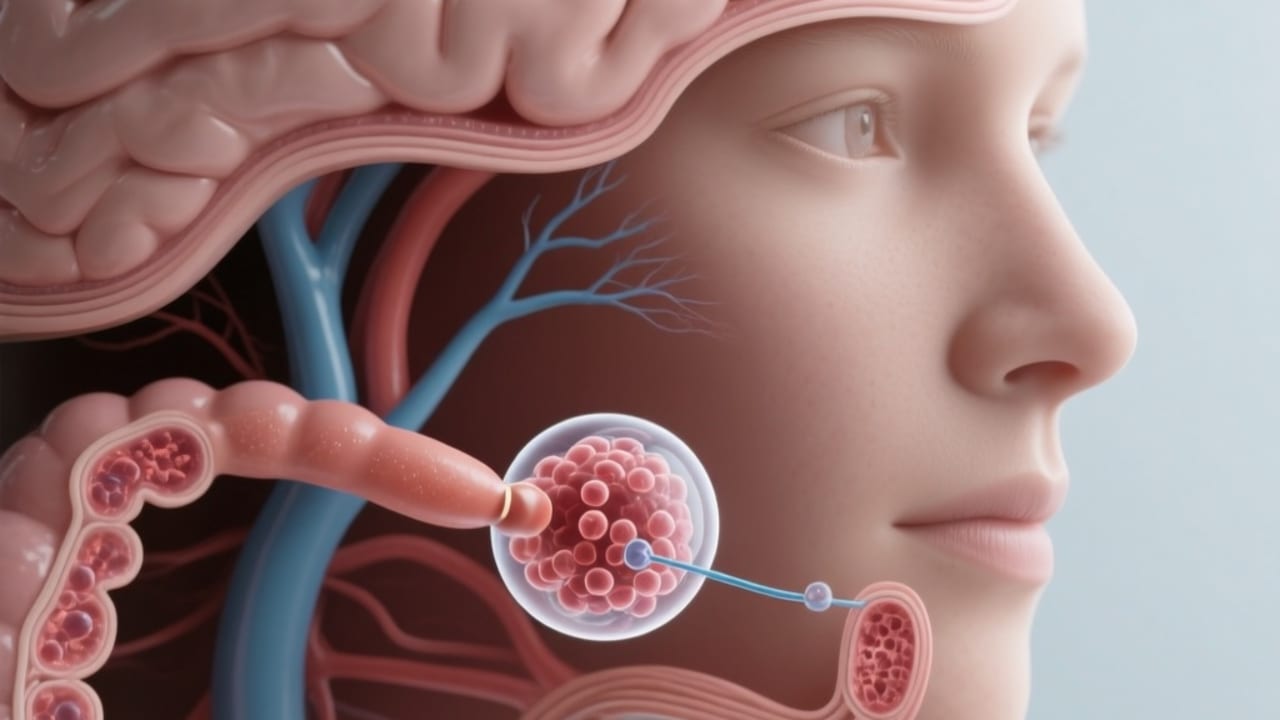
Most people blame willpower when the real drivers are your hormones—insulin, cortisol, GLP‑1, ghrelin—nudging your hunger, cravings, and energy from backstage. The twist? You can influence them more than you think, without living on chicken and air.
Here’s what nobody tells you about weight loss: timing, food quality, sleep, stress, and muscle are hormone levers. Pull them well, and progress feels less like a fight.
- Insulin and GLP‑1 shape hunger: Pair protein + fiber at meals to steady blood sugar and reduce cravings.
- Sleep isn’t optional: Extending sleep by ~1 hour/night may cut daily calories without trying.
- Build “metabolic armor”: 2–3 weekly strength sessions help preserve muscle, which supports a higher calorie burn at rest.
- Counterintuitive: Ultra‑processed foods can drive ~500 extra calories/day even when macros look similar.
- Medications are tools, not fixes: GLP‑1–based therapies can help some people, but habits still matter for long‑term results.
Your metabolic messengers: insulin, GLP‑1, and ghrelin
Picture this: you start the day with a pastry and latte, crash by 11 a.m., and spend the afternoon chasing snacks. That roller coaster is insulin doing its job—moving glucose into cells—then overcorrecting when meals are mostly refined carbs. Protein and fiber buffer the spike, which steadies energy and hunger.
GLP‑1 is another star. It slows stomach emptying and tells your brain you’re full. That’s why GLP‑1 medicines like semaglutide gained attention. In a 2021 New England Journal of Medicine trial (STEP‑1), people on semaglutide plus lifestyle support lost about 15% body weight over 68 weeks on average versus ~2–3% with lifestyle alone. Tirzepatide, which targets both GIP and GLP‑1, showed even larger averages in 2022 (SURMOUNT‑1, NEJM). These are prescriptions and not for everyone—but they confirm the biology: hormones steer appetite and intake.
On the flip side, ghrelin—your “I’m hungry” signal—rises when you’re sleep‑deprived or under fueled. Ever notice pizza feels “urgent” after a short night? That’s hormones, not weakness. The goal isn’t to hack them; it’s to work with them using smart meals, better sleep, and calm stress.
Stress, sleep, and the 2 a.m. snack
You know that feeling when a tough week leaves you prowling the kitchen at midnight? Cortisol (stress hormone) rises with chronic stress and poor sleep, which can push blood sugar swings and cravings. Add late‑night phone glow, and your brain keeps asking for quick energy.
Here’s the thing: sleep adjustment alone may help. A 2022 randomized trial in JAMA Internal Medicine led by Dr. Esra Tasali found that adults who extended sleep by about an hour ate ~270 fewer calories per day without being told to change diet. Less sleepy snacking, steadier hormones.
Practical swap: set a “tech curfew” an hour before bed, keep the room cool and dark, and aim for a regular wake time. It’s boring—and wildly effective over months.
Food quality and timing beat math alone
Most people have been there—two meals with the same calories feel totally different. One keeps you focused for hours; the other leaves you snacky. Quality matters. In a 2019 randomized crossover study in Cell Metabolism, Dr. Kevin Hall’s team found people ate about 500 more calories/day on ultra‑processed diets compared with unprocessed options matched for macros, salt, sugar, and fiber—then gained weight. Satiety isn’t just math.
Timing can help, too. Early time‑restricted eating (front‑loading calories earlier in the day) may improve insulin sensitivity and hunger for some. A 2018 Cell Metabolism trial (Sutton et al.) showed improved metabolic markers in men with prediabetes after an early eating window, even without weight loss. It doesn’t work for everyone, but many people feel steadier energy by anchoring most calories before late evening.
Simple template: build meals around protein (20–40 g), add high‑fiber carbs (beans, whole grains, fruit), include colorful plants, and some healthy fat. Save ultra‑processed “fun foods” for times you can truly savor them.

Muscle is your metabolic armor
The real kicker: dieting without resistance training often burns muscle along with fat, which can lower your daily calorie needs and make regain easier. Muscle doesn’t torch thousands of extra calories, but it does raise resting energy use and improves how your body handles carbs.
Two to three full‑body strength sessions per week can preserve or build lean mass during weight loss. A 2018 Sports Medicine meta‑analysis (Morton et al.) suggests protein intakes around 1.6 g/kg/day maximize lean gains with training. Many people do well between 1.2–1.6 g/kg/day during fat loss, spread across meals—adjusting for kidney health and personal needs with a clinician if relevant.
Think short, focused sets: squats or leg presses, hinges (deadlift variations), pushes, pulls, and carries. Like brushing your teeth—consistent, not heroic.
Why this matters
Because it’s not you—it’s biology. When you match your habits to your hormones, effort finally pays off. That means steadier energy for your 3 p.m. meeting, fewer chaotic snack attacks after bedtime routines, and workouts that feel like momentum instead of punishment.
“Work with your hormones, not against them. Make the easy choice the default—earlier meals, more muscle, better sleep—and let the biology help.”
And if you’re considering medication, the same rules apply. GLP‑1–based therapies and emerging combinations may support appetite control for some, but the foundation—quality food, sleep, stress care, and strength—still drives durability.
What you can do today
- Anchor protein and fiber at breakfast: Greek yogurt + berries + nuts, or eggs + veggies + whole‑grain toast may help flatten mid‑morning crashes.
- Front‑load your calories: Try eating most of your food before 7 p.m. for a week; research suggests earlier eating windows may support insulin and appetite control.
- Lift 2–3 times per week: Short, compound movements may preserve muscle during fat loss; pair with 1.2–1.6 g/kg/day protein if appropriate.
- Protect 7–9 hours of sleep: A fixed bedtime, cool room, and screens‑off one hour prior may reduce late‑night intake.
- Make “processed” the exception: Swapping ultra‑processed snacks for whole‑food options can reduce passive overeating; shop the perimeter and keep easy produce rinsed and ready.
If you’ve felt stuck, you’re not broken—you’re human. Nudge the levers you control, talk with a clinician about options if you need them, and give your biology a fair shot to help you out. If this resonated, pass it to the friend who thinks they “just need more willpower.” They don’t. Neither do you.
Frequently Asked Questions
They can help some people with obesity or related conditions by reducing appetite, but they’re prescriptions with potential side effects and costs. Discuss your health history, goals, and alternatives with your clinician to weigh benefits and risks.
During perimenopause/menopause, estrogen shifts can raise visceral fat and affect insulin sensitivity, which may change where you store fat and how hungry you feel. Strength training, protein intake, sleep, and stress care may help; a clinician can discuss additional options.
Some people find an earlier eating window helps hunger and energy, which can indirectly reduce intake. Others do just as well with regular meals. Choose the pattern you can stick with and monitor how you feel.