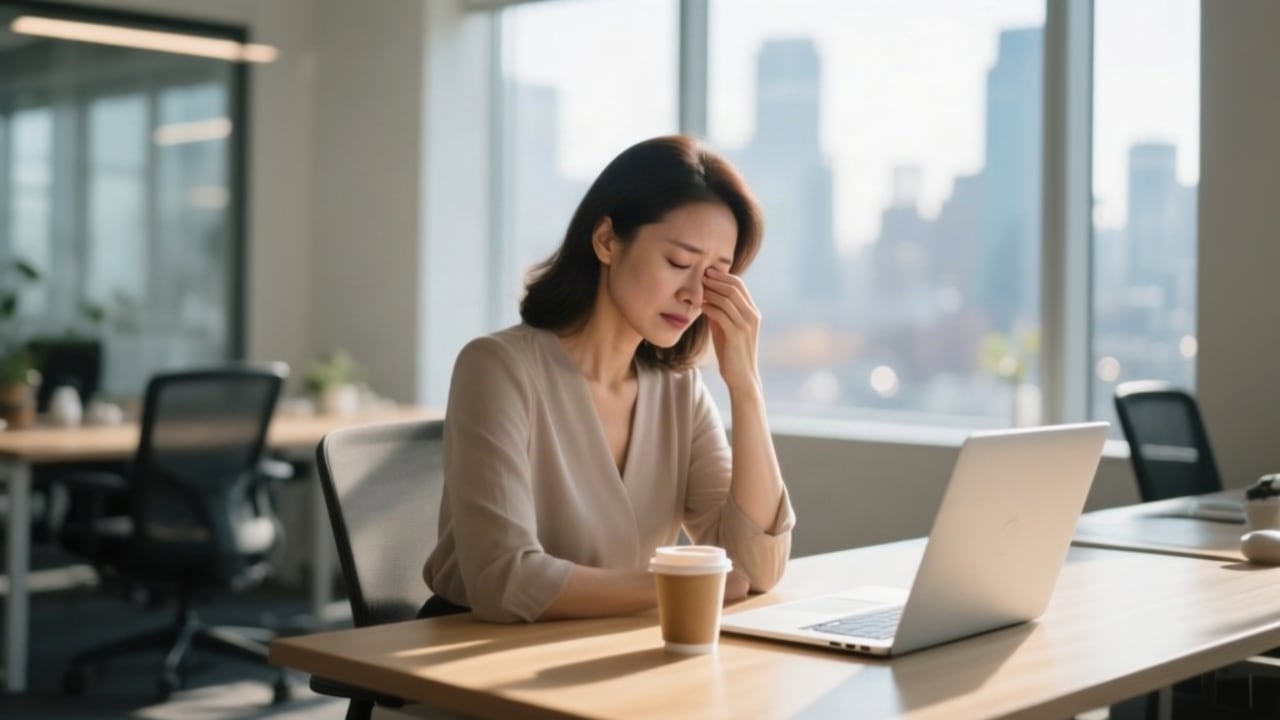
You’re sleeping “enough,” drinking coffee like it’s a hobby, and still dragging by 2 p.m. The meetings blur. The workout feels impossible. The couch wins.
Here’s the thing: most people blame sleep alone when the real culprits are a handful of quiet energy leaks—hydration you forgot, iron your body can’t spare, a body clock a full hour off sync, or a breathing issue you can’t see at night. Plug a few of these and your days feel different.
Let’s map the sneaky reasons you’re wiped—and what actually helps, without promising miracles.
- Circadian drift (irregular sleep/wake times) can sap energy even if you log 8 hours.
- Mild dehydration—as little as 1–2% body weight—may worsen fatigue and mood.
- Low iron stores (low ferritin), especially in people who menstruate, can drive persistent tiredness.
- Ultra-processed foods and big sugar swings are linked to crashes; protein + fiber steady you.
- 10 minutes of movement can boost energy more reliably than another coffee for many people.
It’s not just sleep debt—it’s body clock debt
Picture this: you sleep 7.5 hours most nights, but bedtime ping-pongs between 10:30 p.m. and 1 a.m. Your brain gets the minutes but not the rhythm. That mismatch—social jetlag—makes mornings feel like landing in the wrong time zone.
Chronobiologist Till Roenneberg’s work in Current Biology (2012) linked social jetlag to worse energy and health markers. And when sleep is choppy, proven treatments help: a randomized trial in JAMA Internal Medicine (2018) found digital CBT-I improved sleep quality and daytime functioning—without meds.
What’s surprising: your first light exposure anchors your clock. Morning daylight and a consistent wake time often matter more than chasing a perfect bedtime. Think of it like setting your phone’s time zone at breakfast.
Food, fluids, and the micronutrient you might be missing
You know that after-lunch fog when your emails read like hieroglyphics? Big blood-sugar swings can do that. A tightly controlled NIH crossover study in Cell Metabolism (2019) found ultra-processed diets led to higher calorie intake and weight gain—one reason they’re tied to energy dips. Building meals around protein, fiber, and healthy fats may steady you for hours.
Hydration is sneakier. A study in the Journal of Nutrition (2012) showed that even mild dehydration worsened fatigue and mood in healthy women. Thirst isn’t a perfect early signal—by the time you feel parched, performance can already drop.
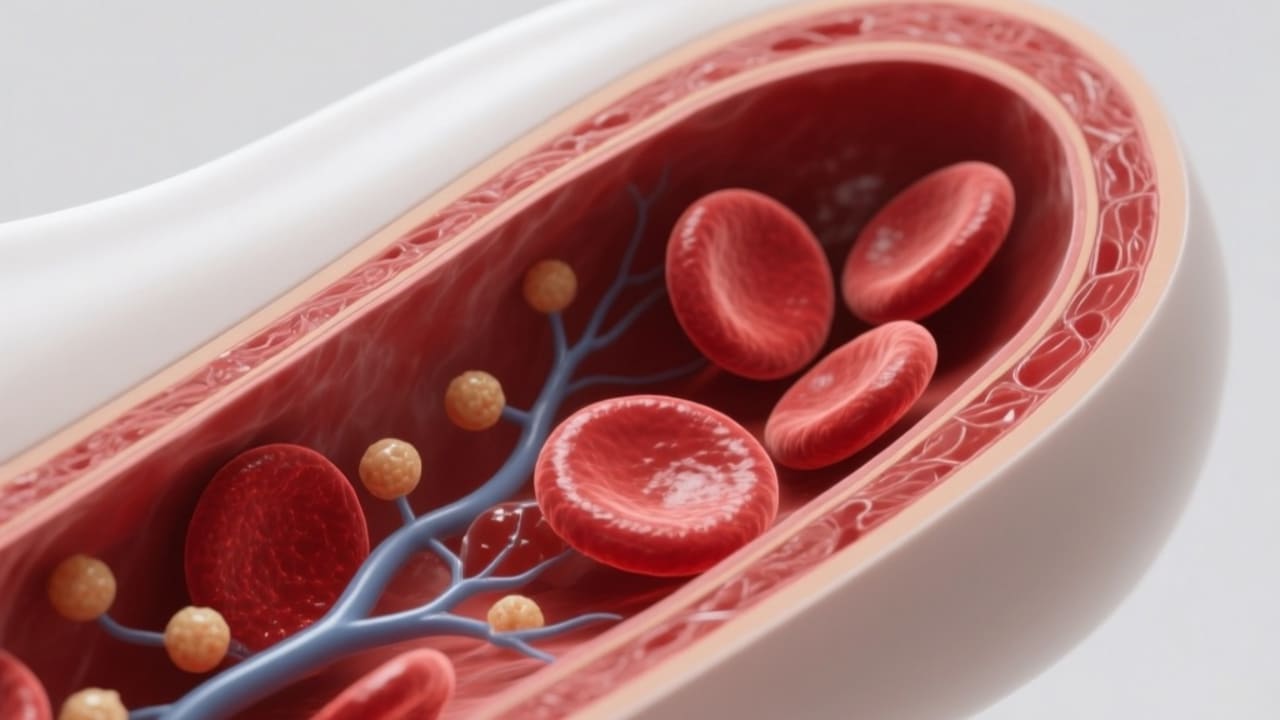
And then there’s iron. You can have “normal” hemoglobin but low ferritin (iron stores) and feel wiped. In CMAJ (2012), non-anemic women with low ferritin who took iron reported reduced fatigue versus placebo. If you have heavy periods, follow a mostly plant-based diet, or recently had a baby, asking your clinician about ferritin testing may be worth it.
Analogy time: think of energy like a slow-release battery. Protein at breakfast, fiber at lunch, and steady hydration keep the charge; a pastry-and-latte combo spikes it, then dumps it fast.
Move to make energy (and calm your stress engine)
Most people have been there—so tired you skip the walk, which oddly makes tomorrow feel worse. Paradoxically, small doses of movement can create energy. A meta-analysis in Psychotherapy & Psychosomatics (2008) reported that regular physical activity produced moderate improvements in feelings of energy and reduced fatigue across many groups.
Stress compounds fatigue by revving cortisol and fragmenting sleep. Even 5 minutes of box breathing or a short, brisk walk between calls may dial your nervous system down just enough to feel functional again. Think of it as tapping the brakes on a downhill ride.
Start where you are: 10 minutes after lunch, a few mobility moves while the kettle boils, or an evening stretch session. Consistency beats intensity when the goal is more energy, not more stress.

When it’s not “just lifestyle”
Some fatigue deserves a medical workup. Sleep apnea can leave you unrefreshed even after a full night—treatment helps. A trial in the New England Journal of Medicine (2016) showed CPAP meaningfully improved daytime sleepiness in obstructive sleep apnea.
Thyroid shifts are another common culprit. Overt hypothyroidism often causes fatigue, weight changes, and cold sensitivity; blood tests (TSH, free T4) clarify the picture. For subclinical cases, a NEJM (2017) study in older adults found levothyroxine didn’t improve symptoms—so treatment decisions should be personalized.
Post-viral fatigue is real too. Research in Nature Medicine (2021) documented fatigue as one of the most common long COVID symptoms. Medications, anemia, pregnancy/postpartum changes, depression, and anxiety can all contribute—worth discussing without stigma.
Rule of thumb: if fatigue lasts more than a few weeks, is getting worse, or comes with red flags (chest pain, shortness of breath, unintentional weight loss, fevers, heavy periods), see a clinician.
Why this matters
Energy changes how your day feels—whether you say yes to the friend dinner, keep your cool with your kid, or still have focus for that 4 p.m. brief. When you find the one or two leaks that apply to you, everything else gets easier.
Most people don’t need more willpower—they need fewer hidden drains on their energy.
That’s why this is personal, not academic. Small, targeted changes compound. Think steady, sustainable upgrades—not heroic overhauls that fizzle by Friday.
What you can do today
- Anchor your wake time within a 30–45 minute window daily, and get 5–10 minutes of outdoor light before screens. This may help realign your clock.
- Hydrate on a schedule: sip a glass on waking, one mid-morning, one mid-afternoon. Add a pinch of salt or an electrolyte if you sweat heavily; aim for pale-straw urine color, not a fixed number.
- Build “protein + fiber” meals: e.g., eggs and berries at breakfast; salmon, quinoa, and greens at lunch. Limit ultra-processed snacks to reduce crashes.
- Take a 10-minute movement break when you’d normally grab coffee #3. A brisk walk or stair set may boost energy with fewer jitters.
- Gut-check your basics with a clinician if fatigue persists: CBC, ferritin, TSH/free T4, B12/folate as needed, and screen for sleep apnea if you snore or wake unrefreshed.
You don’t have to fix everything at once. Pick one lever, try it for a week, then stack another. Share this with the friend who’s yawning through meetings—you might be each other’s reminder to step into the sun and sip some water.
Frequently Asked Questions
Low iron often looks like persistent fatigue with brain fog, headaches, or shortness of breath on stairs—especially if you have heavy periods. The only way to know is a blood test that includes ferritin; ask your clinician. Don’t start iron supplements without testing, as too much iron can be harmful.
It can. Caffeine late in the day may fragment sleep, and relying on coffee can mask dehydration and delay meals, which leads to crashes. Try capping caffeine before noon, add water between cups, and notice if your afternoon energy improves.
If it lasts more than 2–4 weeks, gets worse, or comes with chest pain, breathlessness, dizziness, fainting, night sweats, fevers, unintentional weight loss, heavy periods, or loud snoring and unrefreshing sleep, see a clinician. These signs may point to treatable conditions like anemia, thyroid disease, infections, or sleep apnea.