
You’re hitting your third cup of coffee before noon, your joints feel older than you are, and your brain can’t hold a thought for more than a minute. Most people blame stress, screens, or “getting older.” Here’s the thing: the quiet driver behind all of it may be low-grade inflammation.
A major review in Nature Medicine has called chronic inflammation a common thread across top health issues—from heart disease to diabetes. That doesn’t mean you’re sick; it means your immune system might be running a little hot in the background. The sooner you notice the clues, the sooner you can nudge it down.
- 8 subtle clues: fatigue, brain fog, joint stiffness, GI issues, mood shifts, frequent infections, skin/dry eye, weight changes.
- Food matters: more plants, fiber, and omega‑3s; fewer ultra‑processed foods may help lower inflammatory markers.
- Stress + sleep: improving either can nudge CRP and IL‑6 down over time.
- Counterintuitive: on high‑stress weeks, gentle movement may calm inflammation better than all‑out HIIT.
- Ask your doctor about an hs‑CRP blood test if symptoms persist or you have heart risk factors.
8 subtle signs your body’s on “simmer”
Picture this: your mornings start fine, then the 2 p.m. wall hits—heavy eyes, slow thinking, achy joints when you stand. These aren’t “just you.” Common signs linked with chronic inflammation include persistent fatigue, brain fog, joint pain or stiffness, GI issues (like reflux, constipation, or loose stools), mood shifts (anxiety, low mood), skin changes, frequent colds, and weight changes that don’t track with your habits.
Medical centers like Cleveland Clinic list fatigue, insomnia, joint stiffness, rashes, GI issues, mood changes, weight gain or loss, and frequent infections among chronic inflammation symptoms. Some autoimmune-related conditions can also show up as dry eye—a clue many people overlook—according to clinicians quoted by St. Vincent’s Medical Center.
None of these confirm a diagnosis on their own. But if you’re checking several boxes for weeks to months, it’s worth a conversation with your clinician.

How food turns inflammation up—or down
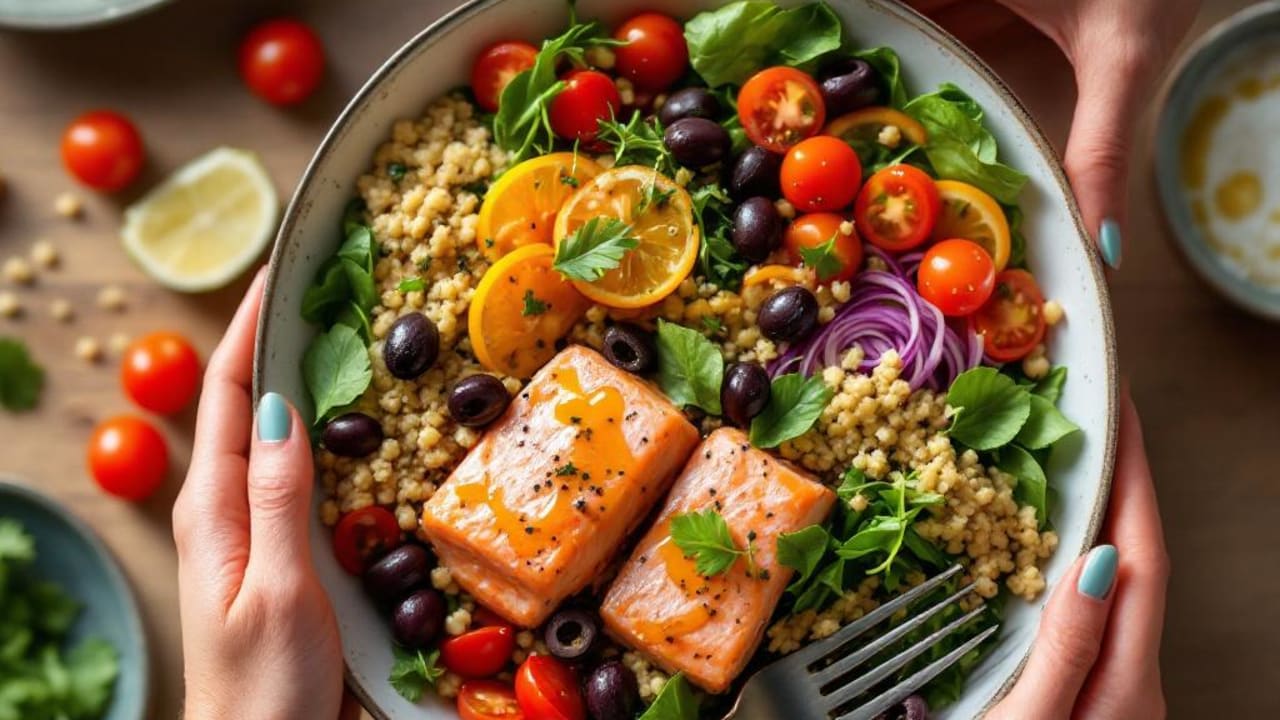
Most people have been there—busy week, lots of takeout, and your body feels puffy and sluggish. Meals are messages to your immune system. Patterns rich in colorful plants, legumes, nuts, extra‑virgin olive oil, fatty fish, herbs, and spices tend to send a “cool it” signal; ultra‑processed foods high in refined starches, added sugars, and industrial seed oils often do the opposite.
A 2018 meta‑analysis in Nutrients reported that Mediterranean‑style eating was associated with lower inflammatory markers like CRP and IL‑6. And in a controlled trial in Cell Metabolism (2019), people eating ultra‑processed diets unintentionally ate more and gained weight—one way diet can indirectly stoke inflammation over time.
The real kicker: it’s not about one turmeric latte. It’s the pattern. Think 80/20—mostly plants and whole foods, room for real‑life flexibility.
Stress, sleep, and your immune “volume knob”
You know that feeling when you’re wired at night and wrecked by morning? Poor sleep and constant stress can nudge inflammatory signals higher. That’s because cortisol and the nervous system talk directly to immune cells.
A 2015 review in Psychosomatic Medicine led by Dr. Michael Irwin linked short sleep and insomnia with higher CRP and IL‑6. The flip side is encouraging: even modest improvements—consistent sleep and stress management—may move those markers in the right direction.
If meditation apps aren’t your thing, try a “nervous system cool‑down”: 10 minutes of slow nasal breathing, a warm shower, or a quiet walk without your phone.
Move more, not harder (most days)
Here’s what nobody tells you about workouts and inflammation: stacking all‑out sessions on a stressed body can feel like throwing logs on a small fire. Gentle, regular movement is often more anti‑inflammatory than heroic weekends.
A landmark review in the Journal of Applied Physiology described how regular moderate exercise reduces chronic inflammation—partly by lowering visceral fat and releasing anti‑inflammatory myokines from muscle. A 2017 review in Brain, Behavior, and Immunity also associated habitual physical activity with lower CRP and IL‑6.
Analogy time: think of activity like stirring a simmering pot—too vigorous and it splashes, steady and gentle and it cooks evenly. Aim for most days of moderate movement, with intensity in smaller, smarter doses.
Should you test for inflammation?
There’s no single “inflammation score,” but clinicians often use high‑sensitivity C‑reactive protein (hs‑CRP) to assess cardiovascular risk, alongside lifestyle and family history. Erythrocyte sedimentation rate (ESR) and ferritin can provide additional context in certain cases.
The 2008 JUPITER trial in the New England Journal of Medicine used hs‑CRP to identify people with normal LDL but higher inflammation; risk fell when they were treated—underscoring inflammation’s role in heart health. If you’ve got multiple signs plus risk factors, asking your clinician about hs‑CRP can be reasonable.
Important: lab results need context. A single high CRP during a cold or after a tough workout may not mean much. Patterns over time matter more than one number.
WHY THIS MATTERS
This isn’t about chasing perfection—it’s about feeling like yourself again. When inflammation runs high, ordinary days feel heavier: the workout you used to enjoy feels punishing, your patience is thinner with people you love, and tiny choices (like grabbing packaged snacks) snowball into a week of feeling off.
“Small, boring choices—one more hour of sleep, one more handful of greens, one more walk—quiet inflammation better than any quick fix.”
But what does that actually mean for your Monday morning? It means breakfast you can assemble half‑asleep, a 20‑minute walk between meetings, and a hard stop on screens before bed. It means progress over polish.
WHAT YOU CAN DO TODAY
- Upgrade one meal: Add a fist‑size of colorful veg and a palm of protein; swap seed oils for extra‑virgin olive oil. Research suggests Mediterranean‑style patterns may help lower CRP.
- Go for 20 minutes: A brisk walk or easy bike ride most days may reduce low‑grade inflammation over time—worth trying if you’re feeling run‑down.
- Protect your sleep window: Aim for a consistent 7–9 hours; even 30 extra minutes and a darker room may help nudge inflammatory markers down.
- One stress off‑ramp: Try 5–10 minutes of slow breathing (4 seconds in, 6 out) or a quiet stretch; it may help shift your nervous system toward “rest and digest.”
- Check in with your clinician: If symptoms persist for weeks, ask whether an hs‑CRP test makes sense for you—especially with heart risk factors or a strong family history.
You don’t need a perfect plan to feel better—you need a starting point. Share this with someone who’s been feeling off lately, and bookmark it for the next “nothing’s working” week. Your body’s not broken; it’s communicating.
Frequently Asked Questions
Everyday soreness improves with rest and gentle movement. Inflammatory pain often feels stiffest in the morning, can linger for weeks, and may come with fatigue or other symptoms. If joint pain persists, check with a clinician.
No single diet fixes everything, but patterns rich in plants, fiber, and omega‑3s may help reduce inflammatory markers over time. Track how you feel and discuss changes with your healthcare provider, especially if you have a medical condition.
It can be useful for cardiovascular risk assessment in certain people, but it’s not a universal screening test. Talk to your clinician—your family history, age, and other risk factors help determine whether hs‑CRP adds value.