
You clean up your meals, close your rings, and then—nothing. The scale shrugs. The cravings roar back at 3 p.m. It feels like willpower is broken, but here’s the thing: much of this isn’t a character flaw. It’s chemistry.
Your body runs weight on a hormonal schedule—leptin, ghrelin, cortisol, insulin, and more. Nudge the timing or the dose of those signals and your hunger, energy burn, and motivation change—sometimes overnight.
- Sleep skews hunger: Short nights can raise ghrelin and lower leptin—hello snack attacks the next day.
- Stress stacks fat: Chronically high cortisol may push appetite up and favor belly fat storage.
- Smart labs help: Fasting insulin, A1C, CRP, and morning cortisol can guide a plan (with your clinician).
- Counterintuitive: Emerging FGF21 therapies aim to raise energy burn—not just suppress appetite.
- Meds aren’t magic: GLP‑1s and triple agonists work best alongside sleep, protein, fiber, and movement.
Appetite, stress, and the “why am I hungry?” day
Picture this: five hours of sleep, a rushed coffee, then a pastry “because you deserve it.” By midafternoon, you’re grazing again. That roller coaster tracks with two key hormones—ghrelin (hunger) and leptin (satiety). When sleep is short, ghrelin tends to rise while leptin dips, making food look louder than usual.
Classic research from the University of Chicago (Spiegel and colleagues, 2004) linked sleep restriction to higher appetite and hormonal shifts that prime overeating. Layer on stress and cortisol can keep appetite elevated and steer calories toward belly fat—especially if your meals lean ultra‑processed and low‑protein.
Here’s what’s surprising: the same breakfast can “land” differently depending on last night’s sleep and today’s stress. A protein‑rich plate steadies ghrelin for some people; after a short night, that effect may be blunted—and cravings still sneak in. That’s biology, not failure.
What your doctor can actually measure
You can’t manage what you don’t measure. Beyond weight and waist, clinicians often look at fasting glucose, A1C, and fasting insulin to gauge metabolic function. Some use HOMA‑IR (a calculated insulin‑resistance estimate), CRP for inflammation, and targeted checks like morning cortisol or leptin in select cases.
A 2026 trend report from the IAPAM highlights how lab‑based biomarkers are helping clinicians tailor nutrition, medications, and timing—adjusting before hormones can sabotage progress. And a 2026 medically reviewed Healthline overview explains how hormones like leptin, ghrelin, insulin, thyroid hormones, and cortisol coordinate appetite, storage, and burn.
Not everyone needs every test. But if you’ve plateaued despite consistent habits, discussing a targeted panel with your provider may surface a fixable friction point—like high fasting insulin that makes calorie cuts feel harder than they should.
Meds are evolving fast: from GLP‑1 to triple agonists
GLP‑1 medicines (like semaglutide) reduce appetite, slow stomach emptying, and may nudge the brain’s satiety centers. Newer combination therapies target multiple pathways at once. Triple agonists act on GLP‑1, GIP, and glucagon receptors to address appetite, insulin dynamics, and energy expenditure in concert.
In a 2023 New England Journal of Medicine trial, the triple agonist retatrutide produced substantial weight loss in adults with obesity over 48 weeks. Early data suggest deeper, faster results than single‑pathway drugs—but side effects, access, and individual response vary. These medications work best when sleep, protein, fiber, and movement are already doing quiet heavy lifting.
Think of meds as noise‑canceling headphones for appetite—they lower the background hum so your habits can sing. They don’t replace the song.

The new kid FGF21 — why scientists care
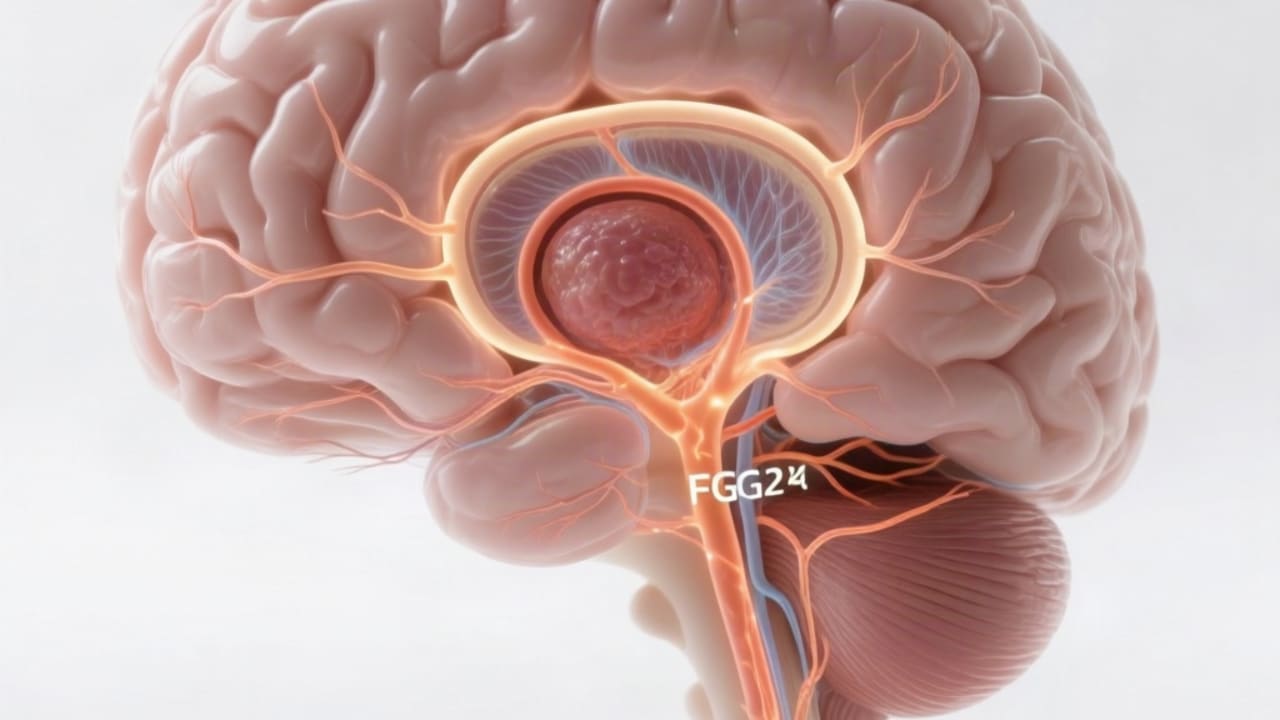
FGF21 is a hormone your body already makes, tied to metabolism and liver health. A University of Oklahoma team reported in 2026 that FGF21 reversed obesity in mice by activating a hindbrain circuit—boosting energy burning rather than just tamping down appetite. That’s a different on‑ramp than GLP‑1s, which largely quiet hunger.
This matters because some people struggle not with eating too much, but with burning too little. If future human trials confirm these mouse findings, FGF21‑based therapies could complement appetite‑focused drugs—two levers, one goal. For now, it’s promising science, not a prescription to ask for tomorrow.
Bottom line: the future of medical weight care is multi‑pathway—tuning appetite, insulin, and energy burn together, then personalizing with labs and lifestyle.
Why this matters
Because what you feel day to day—unfair cravings, afternoon crashes, stubborn plateaus—often has a hormonal fingerprint. When you understand the levers, you stop white‑knuckling and start working with your biology. That changes Monday morning: a protein‑forward breakfast, a 10‑minute walk after lunch, a non‑negotiable bedtime, and realistic conversations with your clinician about labs or meds.
“You’re not broken—your hormones are doing their job, just on the wrong schedule. Shift the schedule, and the struggle softens.”
What you can do today
- Protect 7–9 hours of sleep: Research links short sleep to higher ghrelin and lower leptin; a consistent wind‑down may help appetite feel quieter tomorrow.
- Front‑load protein + fiber: Aim for 25–35g protein at breakfast with produce or oats; this may steady hunger hormones and reduce late‑day snacking.
- Walk after meals: A 10–15 minute stroll can modestly improve post‑meal glucose and may support steadier energy.
- Mind your stress stack: Brief breathwork, daylight, or strength training 2–3x/week may lower perceived stress and support healthier cortisol rhythms.
- Ask about targeted labs or meds: If you’ve plateaued, discuss fasting insulin, A1C, CRP, and whether GLP‑1–class or combination therapies are appropriate for you.
You don’t need to master endocrinology to make progress. Nudge the right habits, consider smart testing, and—if appropriate—use modern meds as a helpful assist. If this reframed something for you, send it to the friend who “does everything right” and still feels stuck. Their hormones may need a new plan, too.
Frequently Asked Questions
Clues include persistent hunger on “normal” calories, big energy crashes, or a plateau despite consistent habits. It’s worth discussing sleep, stress, meds, and targeted labs with your clinician before assuming imbalance.
Many clinicians start with fasting glucose, A1C, and fasting insulin; some add CRP for inflammation and morning cortisol. Leptin or thyroid testing may be considered based on symptoms and history—always individualized.
They can help some adults with obesity, especially alongside lifestyle habits. Benefits, side effects, costs, and contraindications vary, so a discussion with your healthcare provider is the safest next step.