
Most people blame stress or another late night when energy tanks. But here’s the thing—fatigue, brain fog, and feeling “off” often trace back to a few quiet nutrient gaps your body can’t out-hustle.
Picture this: you’re on cup three by 3 p.m., workouts feel heavier than they should, and your mood swings with the sun. That’s not just life being “busy.” It might be iron, vitamin D, or iodine tapping your shoulder.
Iodine shortfalls affect nearly one-third of the world. Vitamin D dips are widespread in people who work indoors. Iron? A top deficiency—especially if you menstruate or eat mostly plant-based. Early detection matters because the symptoms sneak up slowly.
- Top gaps in adults: iron, vitamin D, iodine—often mistaken for stress or burnout.
- Classic signs: heavy fatigue, frequent colds, cold intolerance, hair shedding, low mood, exercise struggles.
- Don’t guess with supplements—simple blood/urine tests can clarify.
- Food-first helps: heme iron + vitamin C, iodized salt, sunlight or D-rich foods.
- Counterintuitive: Using “fancy” sea salts exclusively may drop iodine intake.
The usual suspects: iron, vitamin D, iodine
You know that feeling when your legs feel like lead on a run you could normally crush? Iron may be part of that story. Iron helps red blood cells carry oxygen; when it’s low, energy production drags. The Cleveland Clinic notes fatigue, frequent infections, and even hair changes can signal vitamin-related shortfalls, including iron-related anemia, while B vitamins and others can affect mood and concentration too.
Vitamin D acts more like a hormone than a simple vitamin—supporting bones, immunity, and muscles. If you work indoors, live at higher latitudes, have darker skin, or wear sunscreen (good habit), your cutaneous production drops. Low D can show up as achy bones, frequent colds, and low mood. Large U.S. and European surveys consistently find many adults run low, especially in winter.
Iodine fuels thyroid hormones that set your metabolic tempo—think energy, temperature, hair, and mood. Global estimates suggest nearly a third of people have inadequate iodine intake, and deficiency can lead to thyroid enlargement (goiter), weight changes, and feeling unusually cold. Health reporting that draws on WHO data and clinical reviews puts iodine among the world’s most common gaps.
Relatable check-in: if you’re always freezing in meetings, shedding more hair in the shower, or you can’t shake the 3 p.m. fog despite solid sleep, consider these three nutrients in the mix—not just another productivity hack.
What the research says
Clinical resources from the Cleveland Clinic catalog symptoms linked to common vitamin and mineral deficits (fatigue, mood and skin changes, neuropathy), aligning with how iron, vitamin D, and iodine shortfalls show up in real life. Health journalism based on WHO data reports iodine insufficiency remains widespread across populations. These patterns echo what dietitians see daily in adults who work indoors or follow restrictive diets.
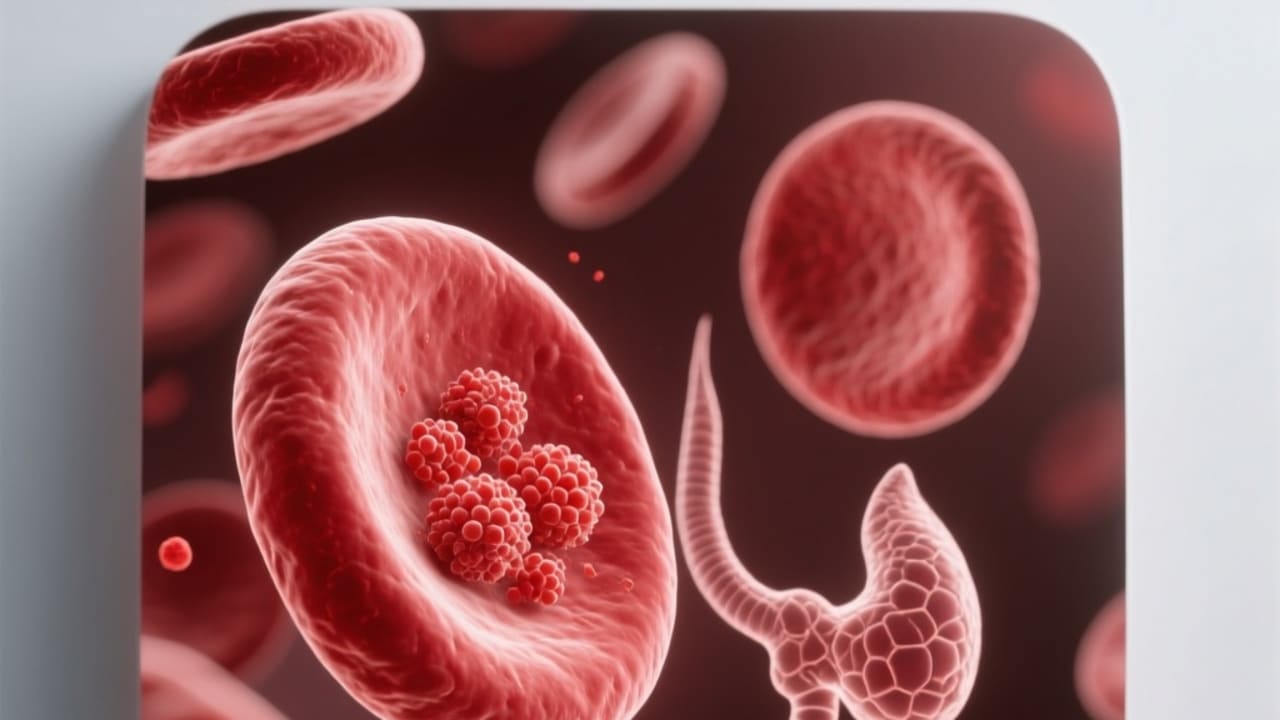
Hidden hunger with a full fridge: why gaps happen
Most people have been there—meal-prepped, well-fed, still exhausted. “Hidden hunger” is the term clinicians use when you’re eating enough calories but still missing key micronutrients. The Cleveland Clinic even calls out increased cravings as a possible sign your body’s hunting for missing pieces.
Common culprits: minimal sun exposure (hello, office life), heavy periods, endurance training, pregnancy or postpartum needs, and patterns like plant-forward eating without fortification or seafood. On the flip side, exclusively using non-iodized “natural” salts can quietly reduce iodine intake if dairy and seafood are low.
There’s also the fat story: essential fatty acid shortfalls—especially omega-3s—can show up as dry, scaly skin and slower wound healing. A peer‑reviewed 2022 overview in the medical literature describes classic signs of essential fatty acid deficiency and the biomarkers clinicians use to assess it. While true deficiency is uncommon, suboptimal omega‑3 intake is frequent and may nudge inflammation and recovery.
Analogy that lands
Think of nutrients like a project team—if three key people don’t show, the rest work overtime and the deadline still slips. Iron, vitamin D, and iodine are those key teammates for oxygen flow, muscle function, and metabolism.
Should you test—or just supplement?
Here’s the honest answer: guessing can backfire. Too much iodine can irritate the thyroid. Mega‑dosing vitamin D can raise calcium dangerously. And iron overload is a real risk if you supplement without need.
Smart path: discuss simple labs with a clinician if symptoms persist. Commonly used tests include a 25‑hydroxy vitamin D blood test, a ferritin (iron storage) with CBC for iron status, and a TSH with reflex thyroid hormones; urinary iodine is sometimes used to assess population intake but less so for individuals. Clinical guides from the Cleveland Clinic outline how clinicians evaluate vitamin deficiencies and anemia symptoms before recommending targeted supplements.
One nuance: not everyone needs routine screening for vitamin D without symptoms or risks, according to major guideline groups. That said, if your history, lifestyle, or a clinician’s exam raises flags, testing may help you personalize a plan rather than play guess‑and‑check with bottles.
Red flags worth a pro consult
Rapid hair loss, chest pain or shortness of breath, unexplained weight changes, numbness or tingling, or heavy menstrual bleeding warrant timely medical evaluation. Supplements alone aren’t the move for these.

Food-first fixes that actually move the needle
Because food brings co‑factors your body knows how to use, start there—then layer supplements if needed with guidance.
- Iron: Pair heme iron (beef, lamb, dark poultry, tinned oysters) or iron‑fortified cereals with vitamin C (citrus, strawberries, bell peppers) to enhance absorption—NIH Office of Dietary Supplements notes vitamin C can boost non‑heme iron uptake.
- Vitamin D: Aim for fatty fish (salmon, trout, sardines), egg yolks, and fortified dairy or plant milks. Short, regular mid‑day sun exposure may help depending on skin tone, season, and location—balance with skin protection.
- Iodine: Use iodized salt at home (check the label—many gourmet salts aren’t iodized). Seafood and dairy also contribute; if dairy‑free and low‑seafood, iodized salt becomes more important.
- Omega‑3s: Include 2 fish servings weekly or use algae‑based DHA/EPA if plant‑based. That may support skin, mood, and recovery in some people.
- B12 (bonus): If you’re vegan or rarely eat animal foods, choose B12‑fortified foods or a supplement after discussing dosing with a clinician.
Relatable scenario: batch a “nutrient anchor” bowl—greens + lentils (iron) + seared salmon (D and iodine) + citrus vinaigrette (vitamin C). Or, if plant‑based, lentil‑quinoa tabbouleh with parsley and lemon plus iodized salt and an algae‑DHA capsule if advised.
Supplements: when food isn’t enough
Supplements can help close gaps, especially in winter (vitamin D), with heavy menstrual losses (iron), pregnancy/postpartum (per clinical advice), or restricted diets. Keep doses conservative unless a clinician adjusts them based on labs. The goal is repletion, not a lifelong megadose.
Why this matters
Nutrient gaps don’t just live on lab reports—they touch your Monday morning. They shape whether you make that 6 a.m. class, how snappy your brain feels in the 10 a.m. stand‑up, and whether you still have gas in the tank for friends after work.
“Most people chase productivity tweaks when their cells are just asking for oxygen, sunshine, and a pinch of iodine.”
Getting the basics right won’t fix everything, but it may remove a few sneaky frictions you’ve been normalizing for years.
What you can do today
- Audit your salt: if you mostly use sea or Himalayan salts, consider swapping in iodized salt for everyday cooking.
- Build an iron‑smart plate 3–4x/week: include a heme iron source or pair plant iron with vitamin C; avoid tea/coffee with iron‑rich meals, which may reduce absorption.
- Schedule light: brief mid‑day outdoor time may help vitamin D; in winter or if sun is limited, discuss a modest D3 supplement with your clinician.
- Check symptoms: persistent fatigue, frequent infections, feeling unusually cold, or exercise intolerance—worth a conversation about labs (ferritin, 25‑OH D, TSH).
- If you’re vegan or rarely eat animal foods, ask about B12 and iodine strategies (fortified foods, iodized salt, or tailored supplements).
You don’t need a perfect diet—just a few strategic moves. If this helped you connect the dots, share it with the friend who’s always “tired but fine.” Small tweaks can change the feel of your week.
Frequently Asked Questions
If you’re persistently fatigued, getting sick often, feel unusually cold, or your workouts feel harder than normal, it’s worth discussing simple labs (25‑OH vitamin D, ferritin/CBC) with a clinician. Testing helps you avoid guesswork and right‑size any supplement plan.
Many gourmet and sea salts aren’t iodized. If you rarely eat dairy or seafood, relying only on non‑iodized salts may lower iodine intake. Using iodized salt in everyday cooking is a simple fix for most households.
Yes, with planning. Pair iron‑rich legumes and fortified grains with vitamin C, and consider B12‑fortified foods or a supplement. If you have symptoms or are pregnant, ask your clinician about testing and tailored dosing.