You wake up tired, power through with caffeine, and crash mid-afternoon. Your joints protest that workout you used to breeze through. By evening, your brain feels like it’s buffering. Most people blame aging or stress — but there’s another quiet culprit that can make everything feel heavier: low-grade inflammation.
Here’s the thing: chronic inflammation rarely shows up with a dramatic fever or a red, swollen ankle. It whispers. And because those whispers mimic “normal life” — fatigue, fog, aches, mood dips — it’s easy to miss until it starts nudging other health issues.
The goal isn’t to self-diagnose. It’s to notice patterns, then use simple daily levers — food, sleep, movement, stress skills — that research suggests may quiet the noise.
- Watch for patterns: persistent fatigue, brain fog, joint stiffness, gut issues, mood changes, frequent colds.
- Food matters: Mediterranean-leaning meals, omega-3s, and fermented foods may reduce inflammatory markers.
- Sleep isn’t optional: even short-term sleep loss can nudge inflammation up.
- Motion is medicine: regular, moderate activity has anti-inflammatory effects.
- Counterintuitive: a fermented-food habit lowered inflammatory signals more than extra fiber in one Stanford trial.
8 quiet signs your body’s inflamed (and what they mean)
Symptoms vary from person to person — and overlap with many non-inflammatory conditions. Think of this as a radar, not a diagnosis. Common clues include: persistent fatigue, brain fog, joint or muscle aches, gut shifts (constipation, diarrhea, reflux), frequent infections, skin flares, mood changes like anxiety or low mood, and unintended weight changes. Major clinics note these patterns often show up together over months, not days.
Most people have been there — you get every office cold, your knees complain after sitting, and your stomach gets reactive after stressful weeks. That cluster may reflect low-grade immune activation, but it can also stem from thyroid issues, anemia, overtraining, depression, or osteoarthritis. That’s why partnering with a clinician is key if symptoms persist.
Cleveland Clinic outlines these chronic inflammation symptoms and emphasizes that they can be subtle and nonspecific — another reason to track patterns and speak with your doctor about appropriate testing like hs-CRP or ESR when warranted.
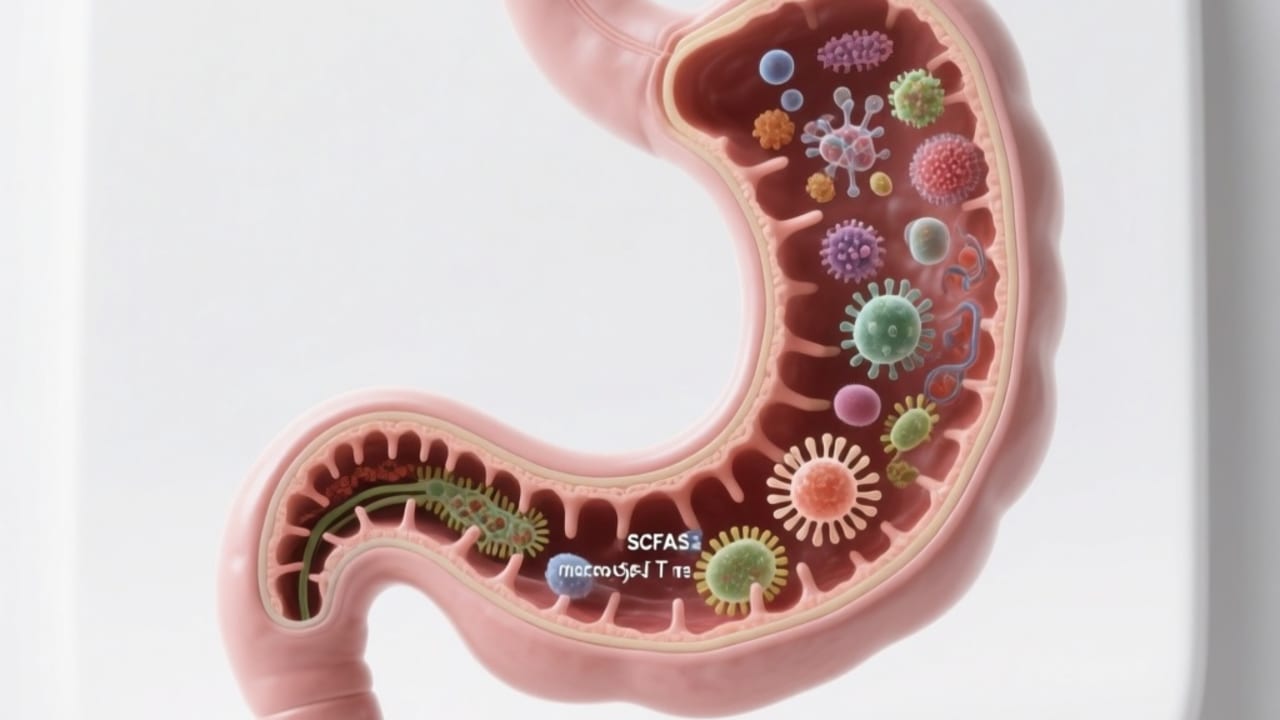
Why lifestyle quietly turns the inflammation dial
Your immune system isn’t just a fire department; it’s a thermostat responding to daily inputs. Highly processed foods, sleep debt, chronic stress, and inactivity can nudge that thermostat up. Over time, this “always slightly on” state can strain tissues and mood.
A landmark 2019 paper in Nature Medicine linked chronic, low-grade inflammation to a wide range of conditions across the lifespan, highlighting how metabolic stress, immune signaling, and aging interact. Translation: your Monday-through-Friday habits matter more than any single “perfect” day.
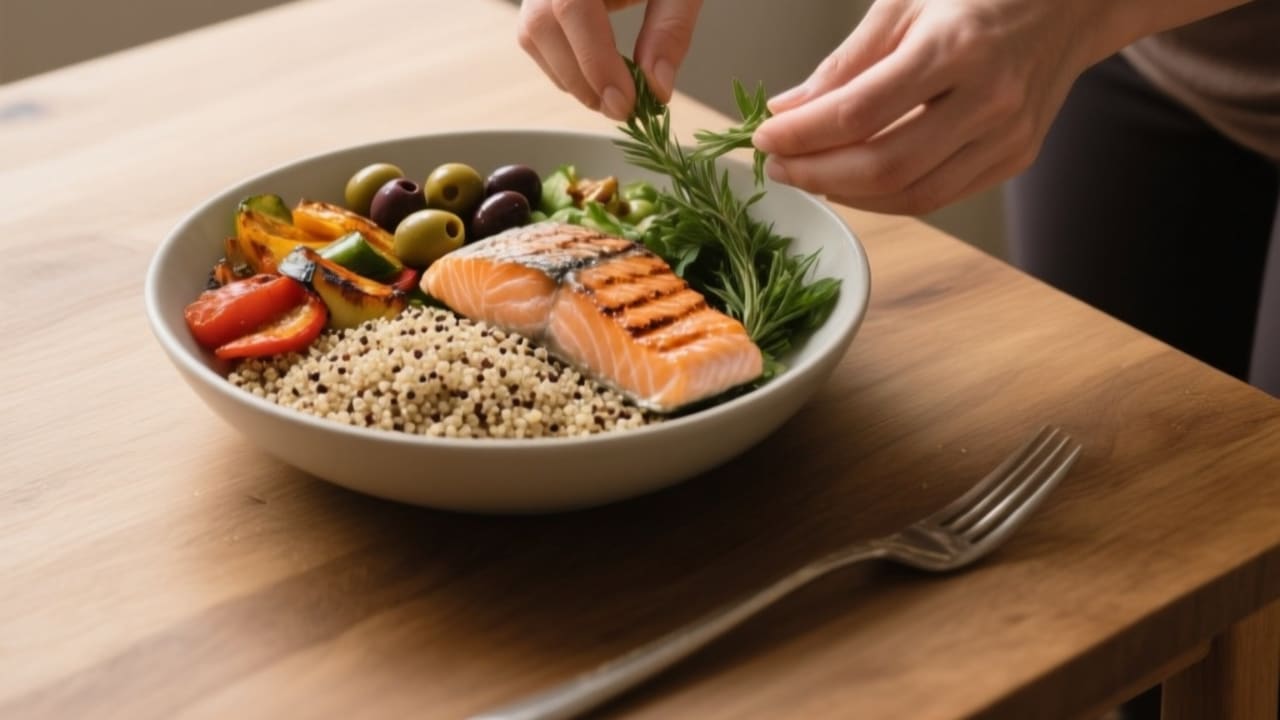
Picture this: two similar weeks. In week one, sleep slips to 5–6 hours, lunches come in wrappers, workouts get skipped, and small stresses pile up. In week two, you get 7–8 hours most nights, add a 15-minute walk after meals, and swap in a grain bowl with salmon and greens. The difference you feel isn’t placebo — those choices can shift inflammatory signals.
Food that calms (and fuels) inflammation
There’s no single “anti-inflammatory food,” but patterns help. Mediterranean-leaning eating — colorful plants, extra-virgin olive oil, legumes, nuts, seafood, herbs, and fewer ultra-processed foods — is consistently associated with lower inflammatory markers like CRP and IL-6 in observational research and meta-analyses.
Omega-3 fats from fish (salmon, sardines, trout) and certain algae play a role in resolving inflammation and may modestly lower inflammatory markers in some studies. If you don’t eat fish, talk with your clinician about whether an algae-based DHA/EPA supplement is appropriate for you.
Here’s the surprising part: a 2021 Stanford study in Cell found that a fermented-food-rich diet (think yogurt with “live and active cultures,” kefir, kimchi, sauerkraut, miso, kombucha) increased gut microbial diversity and decreased multiple inflammatory proteins. Fiber is still fantastic for gut and metabolic health — but fermented foods specifically moved inflammation markers down in that trial.
Because labels can mislead, look for the words “live and active cultures” on yogurt and similar products. Not every fermented food contains live microbes by the time it reaches your plate, and that detail may matter for immune effects, as consumer guidance from major medical publishers points out.
A plate-level analogy
Imagine your immune system as a neighbor who rings your doorbell when things get loud. A lunch of greens, lentils, olive oil, and grilled salmon keeps the block calm. A lunch of fries, soda, and ultra-processed meat cranks the speakers — your neighbor shows up more often.
Move, rest, and stress less — the body’s built-in anti-inflammatory trio
Movement: Regular, moderate activity helps the immune system “talk” more calmly. Mechanistically, contracting muscles release myokines with anti-inflammatory effects. A widely cited review in Nature Reviews Immunology describes how consistent exercise can lower chronic inflammatory tone — no high-intensity heroics required.
Sleep: Even brief sleep loss can boost inflammatory signaling. A 2016 review in Biological Psychiatry led by Dr. Michael Irwin reported that partial sleep deprivation increases markers like NF-κB activity and IL-6. Banking 7–9 hours most nights isn’t glamorous, but it’s foundational “immunonutrition.”
Stress: Mental strain isn’t just “in your head.” Perceived stress can upregulate pro-inflammatory pathways through cortisol and sympathetic activation. Mind-body practices — mindfulness, diaphragmatic breathing, yoga, time in nature — may help downshift those pathways for some people, with small-to-moderate effects reported across various trials.
Make it livable
You don’t need a perfect routine. Think “micro-wins”: a 10-minute walk after dinner, phone down 60 minutes before bed, a five-breath reset before tough meetings. Small, repeatable moves beat rare, heroic ones — especially for inflammation, which responds to consistency.
Why this matters
Because it’s not just about adding years — it’s about feeling better in the ones you have. Calmer inflammation can translate into steadier energy, fewer “mystery aches,” a happier gut, and clearer thinking. That’s Monday-morning real, not abstract biology.
“When you treat meals, sleep, movement, and stress like daily dials, your immune system stops shouting — and starts whispering again.”
What you can do today
- Build one Mediterranean-style meal: leafy greens, beans or lentils, olive oil, herbs, and a palm-size portion of fish or tofu. Add nuts or seeds.
- Add a fermented food: choose yogurt or kefir with “live and active cultures,” or a forkful of kimchi/sauerkraut alongside lunch.
- Walk 10–15 minutes after your largest meal — research suggests post-meal movement may help blunt inflammatory-metabolic spikes.
- Protect sleep: set a consistent lights-out, dim screens 60–90 minutes prior, and keep your room cool and dark. Even a 30–60 minute sleep gain may help.
- Discuss labs with your clinician: if symptoms persist, ask whether tests like hs-CRP or ESR are appropriate for your situation. Self-diagnosing isn’t helpful.
You don’t have to overhaul everything at once. Pick one dial this week, then another next week. Share this with the friend who’s “just tired lately” — and compare notes on what actually helps.
Frequently Asked Questions
People often report persistent fatigue, brain fog, mild joint stiffness, gut changes, or getting sick more often. These signs are nonspecific, so track patterns and check in with a clinician if they stick around.
Patterns matter more than single foods. Mediterranean-style eating, omega-3s from fish, and fermented foods are linked with lower inflammatory markers in research. Changes are modest and work best alongside sleep, movement, and stress care.
Some people find omega-3s helpful, and limited evidence suggests curcumin may help with certain aches, but results vary. Food-first is a safe starting place; talk with your doctor before supplements, especially if you take medications or are pregnant.