
Most people blame late‑night cravings or a “slow metabolism” when the scale creeps up. But here’s the twist: the real trigger might be the hour (or so) of sleep you’ve been shaving off most nights.
A 2026 report from Columbia University Irving Medical Center found that losing just about 80 minutes of sleep a night for six weeks led participants to gain weight and spend more time inactive. Not an all‑nighter. Not months of insomnia. Just the kind of mild, realistic sleep loss many of us consider normal.
Picture this: it’s 2 a.m., you’re still scrolling, and you promise yourself you’ll “make up” for it tomorrow. By 3 p.m., everything sweet and salty sounds amazing, willpower feels flimsy, and your workout plans evaporate. That’s not a character flaw—it's your hormones talking.
- Losing ~80 minutes of sleep nightly for weeks was linked to weight gain and more inactivity in a 2026 report from Columbia University Irving Medical Center.
- Short sleep can raise cortisol, bump ghrelin (hunger), and lower leptin (fullness)—a triple push toward cravings.
- Late eating may shift your body toward storing rather than burning, even with the same calories.
- Counterintuitive: A consistent wake time often matters more than a “perfect” bedtime for resetting your body clock.
- Small, stackable habits—morning light, caffeine cutoff, a wind‑down, earlier dinner—may steady appetite fast.
The 80‑Minute Problem: Tiny Sleep Debt, Real Weight Change
Here’s the thing—your body tracks sleep like a budget. When you under‑sleep by even an hour or so, you’re borrowing energy with interest. And the interest often shows up as extra snacking and less movement the next day.
In a 2026 report from Columbia University Irving Medical Center, adults who slept about 80 minutes less each night for six weeks gained weight and were more sedentary across the day. Researchers warned that if that pattern keeps rolling for months or years, risks for diabetes and heart disease climb too. It’s the “mild but chronic” part that’s sneaky—because it feels normal.
Think of sleep as your nightly “metabolic housekeeping.” Cut it short, and the clutter builds—subtle at first, then hard to ignore.
Your Hunger Hormones on Short Sleep
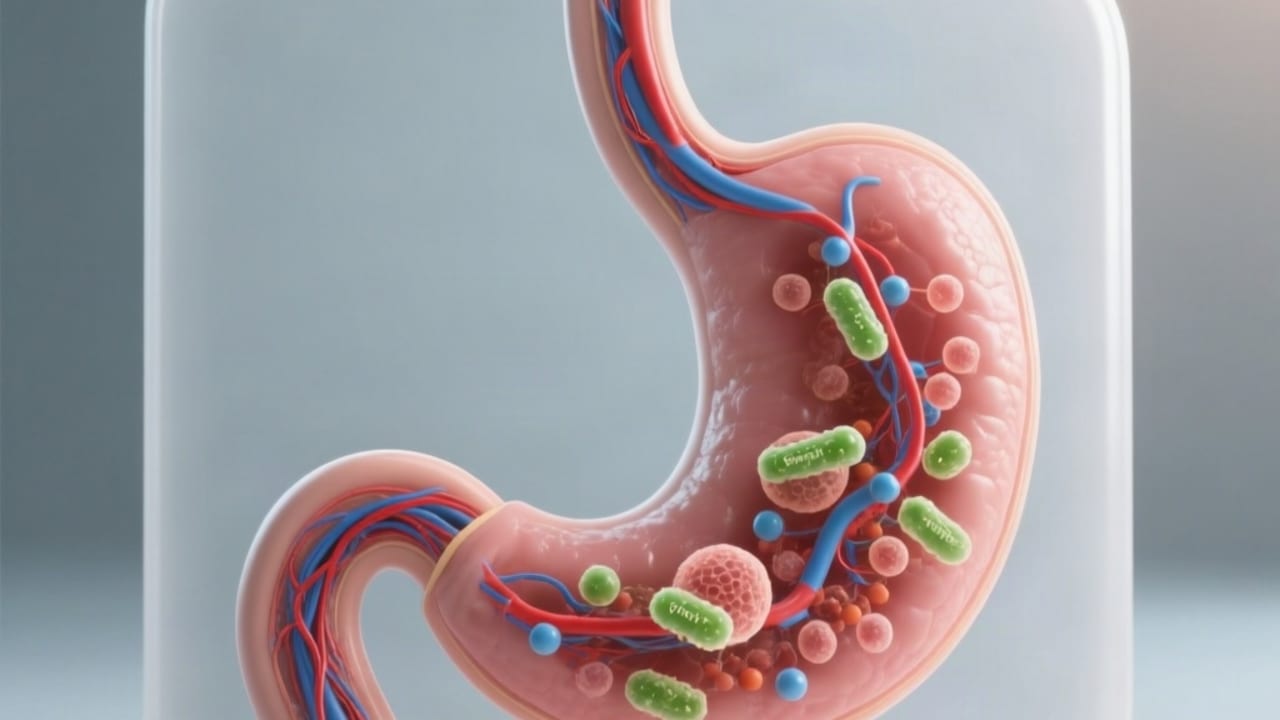
When sleep drops, your stress system revs. Cortisol—the get‑up‑and‑go hormone—stays higher when it should be easing off, nudging your body to conserve energy and store fat, especially around the belly. At the same time, ghrelin (which signals hunger) can rise and leptin (which signals fullness) can dip, a hormonal one‑two punch that makes “I could eat everything” days far more likely.
A 2022 review in Frontiers in Behavioral Neuroscience reported that acute sleep deprivation elevates cortisol and shifts ghrelin and leptin in directions that drive appetite—higher ghrelin, lower leptin—helping explain why poor sleep correlates with weight gain (citing classic human data like Spiegel 2004 and related trials). It’s not just cravings—it’s chemistry.
Most people have been there—after a short night, you crush a pastry at 10 a.m., hit a snack wall by 2, and eye takeout by 7. That’s the hormones steering the wheel, not a sudden collapse of discipline.
The Timing Trap: Late Meals, Slower Burn
Sleep loss often pushes meals later—late‑night nibbling while streaming, or a big dinner because you skipped lunch. But timing matters. Because your internal clock tunes digestion and insulin sensitivity, the same meal can “land” differently depending on when you eat it.
A 2022 randomized crossover trial in Cell Metabolism led by Dr. Frank Scheer found that eating the same foods four hours later increased hunger, reduced energy expenditure, and shifted fat tissue toward storing rather than burning. Translation: late meals can nudge your physiology toward weight gain, even when calories match.
Picture this like airport traffic—early flights tend to run on time. Push everything into the late evening “rush hour,” and delays ripple through the system. Your metabolism prefers an earlier window.

The Activity Spiral: Why You Move Less After Bad Sleep
Short sleep doesn’t just change how much you want to eat—it changes how much you want to move. When you’re tired, your brain protects energy. That looks like fewer steps, less spontaneous movement, and workouts that feel inexplicably harder.
The same 2026 Columbia report observed that mildly sleep‑restricted adults spent more time inactive. That “NEAT” movement—non‑exercise activity like walking to grab coffee or taking the stairs—adds up. Lose it, and the daily calorie burn quietly drops, making weight management feel uphill.
You know that feeling when your 6 p.m. workout turns into “maybe tomorrow”? That’s not laziness; it’s biology choosing the couch.
Why This Matters
Because this isn’t about perfection—it’s about leverage. An extra 45–90 minutes of sleep, more consistent timing, and a small nudge earlier on meals may do more for appetite and weight than another punishing diet cycle. And it’s kinder to your nervous system, too.
“Better sleep doesn’t just help you feel rested—it can make ‘eat less, move more’ finally feel doable.”
But what does that actually mean for your Monday morning? It means you can target the system—light, timing, wind‑down—so hunger isn’t screaming and the gym doesn’t feel like a mountain.
What You Can Do Today
- Anchor your wake time. A consistent wake‑up—even on weekends—may help realign your body clock faster than obsessing over the “perfect” bedtime. Aim for 7–9 hours when possible (AASM guidance) and adjust in 15–30 minute steps.
- Get morning light, move a bit. 5–10 minutes of outdoor daylight soon after waking may help set your circadian rhythm, and a short walk can lift energy so cravings feel less urgent.
- Front‑load meals, steady protein. Research suggests earlier eating supports metabolism; try shifting a portion of dinner to lunch and include protein (e.g., eggs, Greek yogurt, tofu) at breakfast to help tame mid‑morning hunger.
- Create a wind‑down you’ll actually do. 30–60 minutes device‑light dimmed, a warm shower, light stretching, or reading may ease cortisol and nudge melatonin up. Keep the bedroom cool and dark.
- Set guardrails: caffeine and alcohol. Consider a caffeine cutoff 8+ hours before bed and keep alcohol earlier and lighter; both can fragment sleep and leave you hungrier the next day.
If sleep issues persist or you suspect a condition like sleep apnea, it’s worth discussing with a healthcare professional. Treating underlying sleep disorders may help weight and energy more than white‑knuckle dieting ever could.
Small changes, stacked consistently, can flip the script: a little more sleep, a little earlier dinner, a little more morning light. If this helped, share it with the friend who calls themselves “just a night owl”—their hormones might be the ones calling the shots.
Frequently Asked Questions
Even a few nights of short sleep may raise hunger and cravings the next day by shifting ghrelin, leptin, and cortisol. Over weeks, research has linked mild sleep loss to weight gain. The effect varies by person, but you may feel it fast.
Sleeping in may help you feel better temporarily, but it often doesn’t fully reset circadian rhythms or appetite hormones. Consistent sleep and wake times through the week tend to work better long‑term.
Total calories matter, but timing may influence hunger and energy use. Research suggests earlier eating can reduce hunger and support metabolism, so shifting some dinner calories to earlier meals may help.