
Most people blame willpower when the real problem is biology. When chronic stress keeps your body in go-mode, focus slips, sleep fragments, and even small tasks feel uphill — classic burnout terrain.
Picture this: it’s 2pm, your brain feels foggy, your inbox won’t quit, and even a coffee doesn’t touch the fatigue. You’re not broken — your nervous system is overclocked. The way out isn’t “try harder.” It’s learning how to switch off the stress response, then stacking tiny habits that rebuild capacity.
- Start with physiology: Exhale‑heavy breathing may calm your system in minutes.
- Tension release works: Progressive Muscle Relaxation (PMR) trains your body out of “always on.”
- Move to recover: Short, regular activity supports mood and stress resilience.
- Don’t go it alone: Social connection buffers stress better than most people expect.
- Counterintuitive: Slowing your breath on the exhale often beats long inhales for fast calm.
Burnout isn’t “all in your head” — it’s in your body
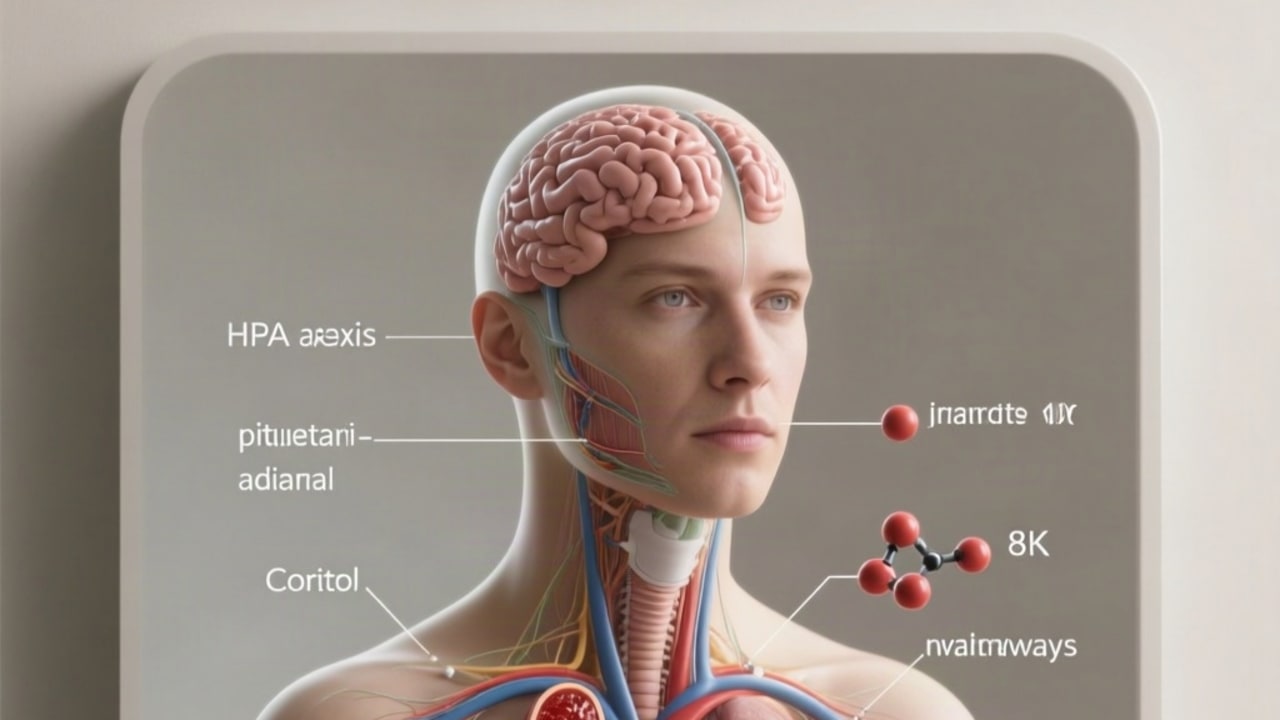
Here’s the thing: burnout looks psychological, but the engine is biological. Chronic stress keeps your brain’s alarm system (the HPA axis) firing, nudging cortisol and adrenaline to stay high when they should ebb. That’s why you feel wired‑and‑tired, snap at small things, and can’t power down at night.
A 2017 review by Agnese Mariotti (PMCID: PMC5137920) outlines how chronic stress reshapes brain–body signaling — from immune function to metabolism — in ways that make recovery harder the longer it drags on. Translation: you’re not weak; your stress circuitry is doing exactly what it was trained to do. You just need a different input.
Most people have been there — you finally take a weekend “off,” but your mind still races. Until you work with your biology, rest won’t feel restful.
Fast physiological “off switches” you can practice anywhere
Exhale‑heavy breathing (2–5 minutes)
When stress spikes, your breath gets shallow and fast. Flipping that pattern tells your nervous system it’s safe. A 2023 randomized trial in Cell Reports Medicine found that brief daily breathing practices — especially exhale‑focused “cyclic sighing” — improved mood and lowered resting respiratory rate more than mindfulness alone. Try this: inhale through your nose for 4, add a tiny top‑up sip, then exhale slowly for 6–8. Repeat for a few minutes.
Progressive Muscle Relaxation (PMR) (5 minutes)
PMR helps your body remember what “relaxed” feels like. Starting at your feet, gently tense a muscle group for 5 seconds, then release for 10–15. Work up to calves, thighs, glutes, belly, hands, shoulders, jaw, and brow. Many people notice a quieting effect similar to post‑massage heaviness — without leaving your chair. Decades of clinical use support PMR as a simple, low‑risk way to reduce perceived stress and improve sleep for some people.
Relatable test: pause mid‑workday and do two minutes of exhale‑heavy breaths, then a quick PMR sweep of shoulders and jaw. Notice how the screen suddenly feels less hostile.
Move and connect to rebuild your stress buffer
Think of exercise as “metabolizing stress.” You burn off stress chemistry and signal resilience genes. An umbrella review in the British Journal of Sports Medicine (2023) reported that physical activity was associated with meaningful reductions in symptoms of anxiety and depression across many groups. For burnout recovery, small and consistent beats heroic and rare: brisk walks, light strength work, short mobility flows.
Connection matters just as much. A large PLoS Medicine meta‑analysis led by Dr. Julianne Holt‑Lunstad found stronger social relationships were linked to better survival — highlighting that isolation is a serious health stressor, not a personality quirk. Coffee with a friend, a standing walk call, or joining a casual group class can function like a pressure valve you actually look forward to.
Analogy time: your stress system is a bathtub. Breathing and PMR turn the taps down. Movement and connection pull the drain.

It’s not all on you: systems create (and fix) burnout
Burnout isn’t just an individual problem; it’s also a workload, clarity, and culture problem. A 2025 editorial in Scientific Reports on burnout and stress emphasized that systemic factors — like staffing, control over schedule, and support — interact with individual traits such as optimism and resilience. In other words, personal tools help, but environment still matters.
What’s surprising is how “micro‑system” tweaks shift your physiology too. A weekly no‑meeting block, a realistic task cap, and a manager who protects focus time can reduce the very stress signals that keep your body stuck in overdrive. If you have influence, use it. If you don’t, one boundary — even a 45‑minute block you defend — can be a start.
Most people have been there — trapped by calendars that multiply. You’re allowed to ask for one lever that makes the rest easier to pull.
Why this matters
Because burnout steals ordinary joys first — the run that clears your head, the patience for your partner, the appetite for dinner that isn’t delivery. Calming your stress response gives those back, often faster than you expect. And when you feel even 10% better, you make better choices that compound.
“The goal isn’t to be ‘less stressed.’ It’s to feel safe enough in your body that good days become possible again.”
But what does that actually mean for your Monday morning? It means a two‑minute breath break between meetings, a 10‑minute walk after lunch, and texting a friend to set a standing Thursday coffee. Small, boring, repeatable — and effective.
What you can do today
- Do 2 minutes of exhale‑heavy breathing before your next task. Research suggests this may lower arousal quickly and improve focus.
- Try a 5‑minute PMR sweep (feet to forehead) before bed. Many people find it reduces muscle tension and may help sleep come easier.
- Move for 10 minutes — brisk walk, stairs, or mobility flow. Short, regular movement may support mood and energy without draining your tank.
- Schedule one connection this week (walk with a friend, call, or class). Social contact can buffer stress and improve well‑being.
- Protect one focus block (45–60 minutes) by silencing notifications. Reducing context switches may lower perceived stress and help you finish something tangible.
You don’t have to overhaul your life to feel better. Pick one lever, test it for a week, and notice what shifts. If symptoms are severe or persist, it’s worth discussing options with a qualified clinician — support is a strength, not a last resort. And if this helped, share it with someone who could use a calmer afternoon.
Frequently Asked Questions
Try 2–5 minutes of exhale‑heavy breathing before your next meeting. Pair it with a brief PMR sweep of your shoulders and jaw. These may quickly lower arousal and help you think more clearly.
Even 10–20 minutes of light to moderate activity most days may help mood and stress. If you’re depleted, start small (a brisk walk) and build gradually as energy returns.
If you’re noticing persistent low mood, sleep disruption, anxiety, or work is impacting your safety or relationships, talk with a licensed clinician. They can help assess options, including therapy, workplace accommodations, or medical support.