
Most people blame work, screens, or willpower when anxiety suddenly surges — but the spark often starts much lower. Your intestines are talking to your brain 24/7, shaping mood, stress hormones, and even how well you sleep.
Picture this: it’s 2 a.m., your heart’s thudding, and your mind is sprinting. You didn’t do anything “wrong” — but yesterday’s rushed meals, late coffee, and zero fiber set your gut-brain loop on edge. Here’s what nobody tells you: balance in your microbiome can soften that stress signal before it ever reaches your amygdala.
- Your gut “texts” your brain via nerves, hormones, and immune messengers that influence anxiety and cortisol.
- Routine beats intensity: consistent sleep and meal timing may support calmer microbes and steadier mood.
- Feed the helpers: aim for 25–30g fiber/day and 1–2 servings of fermented foods to support microbial diversity.
- Strain-specific probiotics (like L. helveticus R0052 + B. longum R0175) show promise for stress support — results vary.
- Counterintuitive: a late coffee on an empty stomach can nudge cortisol and irritate the gut — try shifting it earlier with food.
How Your Gut Talks to Your Brain (and Turns Up Anxiety)
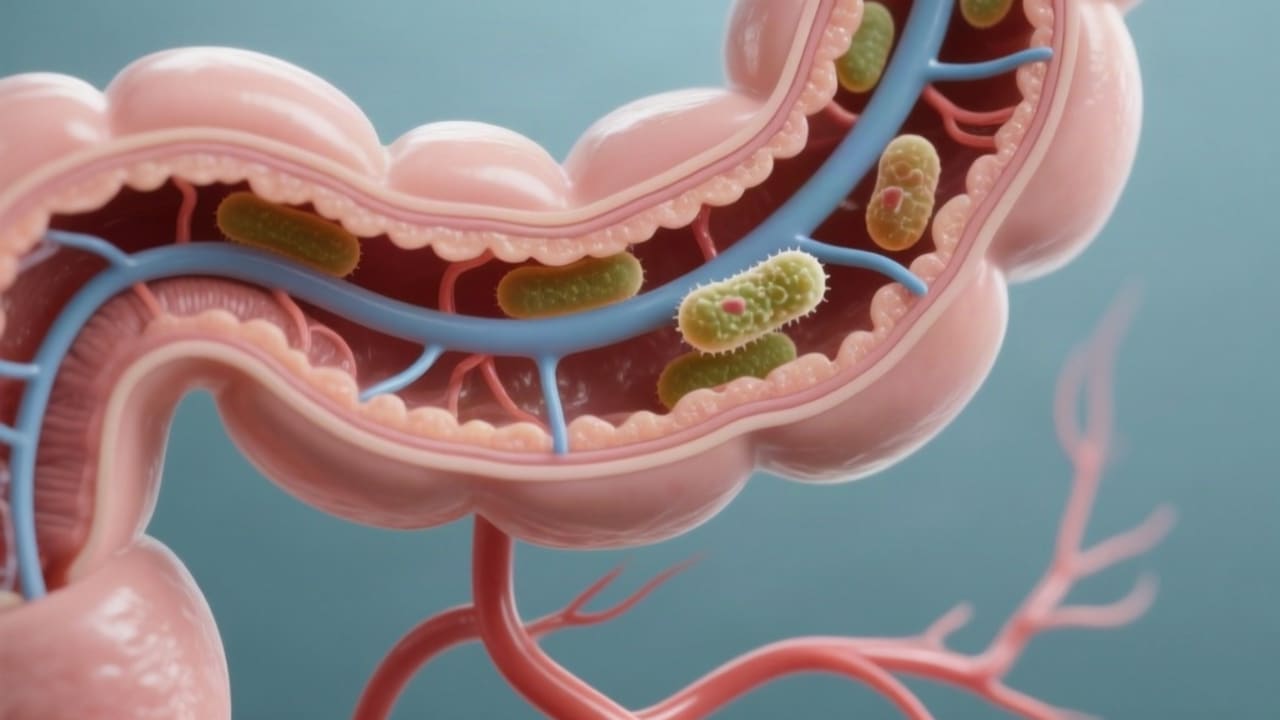
Your gut isn’t just “digestion.” It’s a bustling ecosystem that makes signaling molecules (like short-chain fatty acids), trains your immune system, and sends real-time updates to the brain via the vagus nerve. When that ecosystem skews — a state called dysbiosis — the brain can receive more “threat” messages.
A 2026 review by Ataei and colleagues highlights the gut microbiome as a key modulator of brain function and mental health, with dysbiosis linked to higher cortisol and anxiety-related behaviors. Translation: if helpful microbes are underfed or outnumbered, your stress system may stay on high alert more easily.
Think of your gut like a group chat. When the right participants are active (fiber-loving, ferment-friendly microbes), the tone stays calm. When spam accounts flood in (inflammation-prone patterns), the conversation turns heated — and your brain feels it.
Cortisol, Circadian Rhythm, and Microbes — The 24-Hour Loop
Your microbes keep time. They follow your circadian rhythm, syncing with light, sleep, and when you eat. Irregular bedtimes, late-night snacking, or shift work can push microbial rhythms off-beat — and that may ripple into mood and energy the next day.
A 2025 critical review in Frontiers in Psychiatry describes a gut–brain–circadian axis influencing anxiety and depression. When rhythms wobble, gut permeability, inflammatory signaling, and HPA-axis stress responses (cortisol) may shift in ways that sensitize the brain’s anxiety circuits.
Most people have been there — you sleep badly, graze at midnight, and wake wired. It’s not “just” sleep loss; it’s your clock, cortisol, and microbes tripping over each other. The fix is rarely heroic. It’s boringly consistent: a steady sleep window and earlier dinners that give your gut a clean runway overnight.
Food, Ferments, and Fiber — What Helps (and What Backfires)
Here’s the thing: your microbiome eats what you eat. Fibers from plants become short-chain fatty acids that can support gut-barrier integrity and signal safety to the brain. Fermented foods can add beneficial microbes and may reduce inflammatory tone.
A 2021 randomized trial in Cell (Stanford) found a fermented-food diet increased microbial diversity and lowered inflammatory markers compared with a high-fiber-only plan. And a 2025 systematic review in BMC Psychiatry reported distinct microbiota patterns in people with anxiety and depression, underscoring that microbial balance relates to mood — even though diet responses vary person to person.
Because real life is messy: aim for anchors, not perfection. Build meals around plants (beans, oats, berries, greens), include 1–2 daily fermented servings (yogurt, kefir, kimchi, sauerkraut, tempeh), and watch your “backfires” — ultra-processed snacks, frequent alcohol, and very late caffeine can spike cortisol or irritate the gut for some.

Probiotics and Postbiotics — What the Evidence Actually Says
Not all probiotics affect mood. Early “psychobiotic” research suggests certain strains can support stress resilience, but results are strain- and person-specific. A commonly studied combo — Lactobacillus helveticus R0052 and Bifidobacterium longum R0175 — has been linked with reduced perceived stress and improved mood in small trials.
The 2026 review on the gut–brain connection and a 2025 psychiatry review of microbiota in anxiety note that targeted strains may modulate cortisol and anxiety-related symptoms, likely through gut-barrier effects, neurotransmitter metabolites, and vagal signaling. That said, supplements aren’t magic and can cause GI changes at first; quality varies, and benefits may take weeks.
Practical litmus test: if you try a well-characterized product, give it 6–8 weeks, track changes (sleep, energy, reactivity), and stop if you feel worse. If you’re pregnant, immunocompromised, or have complex GI conditions, it’s worth discussing options with your clinician first.
Why This Matters
Anxiety isn’t a character flaw — it’s often biology. Shifting your gut-brain loop can make ordinary days feel less jagged: fewer afternoon crashes, less 2 a.m. mind racing, more emotional “buffer” for messy meetings or big feelings.
When your gut is supported, your brain needs fewer alarms. You’re not “failing” — your physiology is finally exhaling.
And here’s the real kicker: the things that help — steady sleep, fiber, fermented foods, gentle movement — are accessible levers. They don’t replace therapy or medication when needed. They can, however, make the rest of your care work better.
What You Can Do Today
- Set a circadian anchor: keep a consistent 7–9 hour sleep window and finish dinner 2–3 hours before bed. Research suggests this steadies cortisol and microbial rhythms.
- Build a fiber floor: aim for 25–30g/day from beans, oats, chia, berries, and leafy greens. Increasing gradually may help limit bloating.
- Add fermented foods: start with 1 serving/day (yogurt, kefir, kimchi, sauerkraut, tempeh), working up to 1–2 servings if tolerated. A 2021 trial linked this pattern to lower inflammatory markers.
- Mind your stimulants: have coffee with breakfast, not on an empty stomach late morning; consider a caffeine cutoff 8–10 hours before bed to avoid nudging cortisol and gut irritation.
- Consider targeted probiotics: some people find strains like L. helveticus R0052 + B. longum R0175 helpful after 6–8 weeks. Results vary — discuss with a clinician if you have health conditions or take medications.
Small shifts, repeated daily, change the conversation between your gut and brain. If this helped you connect a few dots, share it with a friend who’s tired of white-knuckling their stress — and wants a saner plan.
Frequently Asked Questions
Many people notice small shifts in 2–4 weeks and clearer changes by 6–8 weeks, especially with consistent sleep, fiber, and fermented foods. Probiotic effects — if they help — also tend to show up on that timeline. Track sleep, energy, and reactivity to see patterns.
Evidence is strain-specific. A combo of Lactobacillus helveticus R0052 and Bifidobacterium longum R0175 has shown benefits for perceived stress in small trials. Benefits aren’t guaranteed, so consider a time-limited trial and check with your clinician if you have medical conditions.
Gut strategies can be a helpful add-on, but they’re not a replacement for therapy or prescribed medications. If you’re considering changes to treatment, talk with your healthcare provider and add lifestyle steps alongside, not instead of, your care plan.