
Most people think their bloat or brain fog is “just stress” or that lone bowl of pasta. But here’s the twist: the biggest spark for everyday inflammation is often ultra-processed sugar sneaking into “healthy” foods—yogurt cups, salad dressings, energy bars.
Picture this: it’s 3 pm, your stomach feels tight, your energy dips, and your focus slides. You blame carbs. Meanwhile, your gut microbes are reacting to additives and sweeteners that changed their neighborhood hours ago.
The good news? Shifting your plate toward anti-inflammatory foods doesn’t require perfection or pricy powders. It’s color, fiber, and better fats—stacked consistently. And yes, coffee may even have a seat at the table.
- Biggest trigger: Ultra-processed foods with added sugars can disrupt gut microbes and flip on inflammatory pathways.
- Build the plate: Pile leafy greens + cruciferous veg, add berries, choose olive oil, and include omega-3s from fish, walnuts, or flax.
- Counterintuitive: Coffee and tea are classified as anti-inflammatory in dietary scoring tools—skip the syrups.
- Fiber matters: Whole grains, legumes, nuts, and seeds feed microbes that produce SCFAs linked to calmer immunity and mood.
- Sensitive gut? Low-FODMAP can help short-term symptom relief, but reintroduce foods to protect beneficial bacteria.
Most people blame gluten — the real spark is ultra-processed sugar
If your pantry holds flavored yogurts, bottled dressings, bars, or “light” sauces, you’re not alone. The catch is that added sugars and emulsifiers in ultra-processed foods can nudge the gut toward inflammation. A 2025 report in the journal Nutrients, summarized by Harvard Health, noted that ultra-processed foods may alter gut bacteria, damage the gut lining, and even switch on inflammatory genes—associations also linked with higher risks of chronic diseases.
You know that feeling when a “healthy” snack leaves you hungrier? That’s the metabolic whiplash of refined sugars and additives, not a moral failure. The biggest offenders are sweetened beverages, candies and baked goods, but also sneaky sources like pre-packaged dressings and flavored yogurts. Swapping these for whole-food versions (think olive oil + lemon, plain Greek yogurt with fruit) removes the friction your microbiome has to fight.
That doesn’t mean you need to ditch all convenience. It means choosing fewer barcodes and more ingredients your grandma would recognize. Your gut microbes will thank you by being less…dramatic.
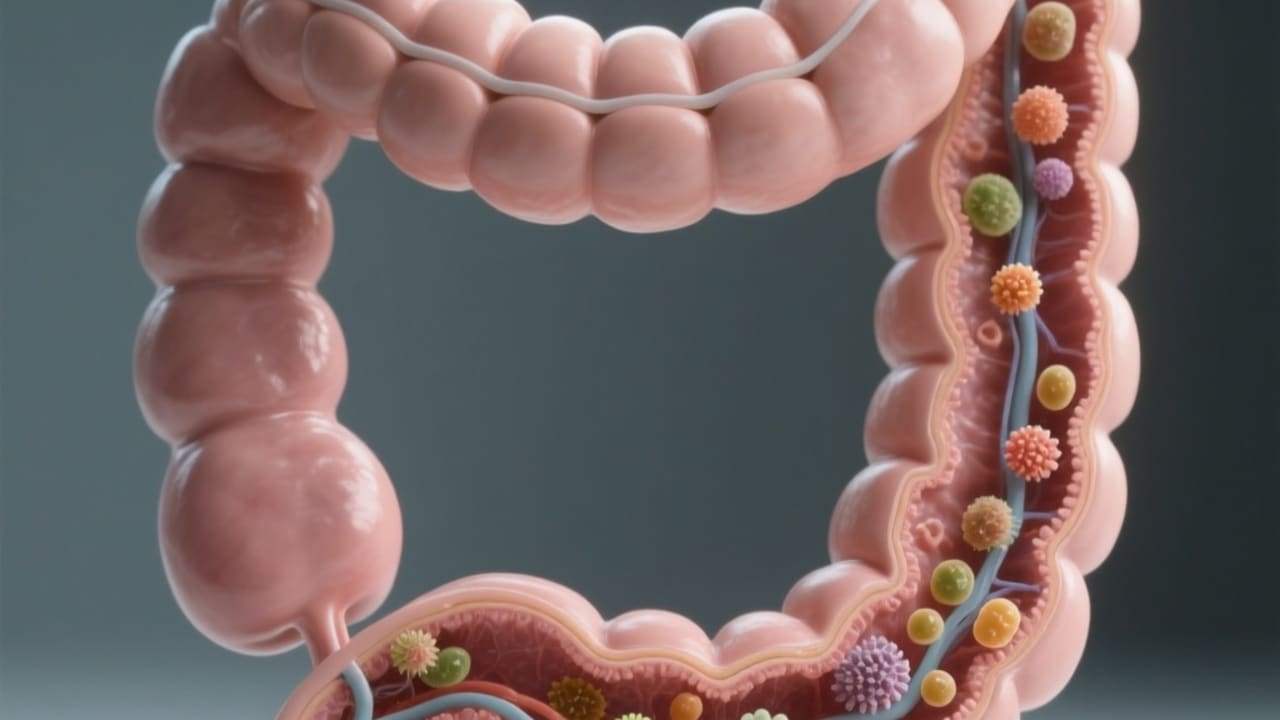
Build the plate: greens, berries, omega‑3s, olive oil
An anti-inflammatory plate is colorful, fiber-rich, and anchored by healthy fats. A 2025 overview from Harvard Health highlights fruits and vegetables (especially leafy greens and cruciferous veg), whole grains, legumes, nuts, seeds, and olive oil, with fish or poultry as primary proteins. CNN’s 2025 round-up of expert diet rankings again placed the Mediterranean pattern near the top for gut and metabolic health.
Here’s the thing: the hues on your plate aren’t just pretty. Polyphenols—the plant compounds giving berries, dark greens, tomatoes, and broccoli their punch—appear to modulate the immune system and support a healthier microbiome. A 2025 proceedings paper in BIO Web of Conferences described how polyphenols and plant-forward diets can shift microbial composition in ways linked to lower inflammation.
And about your morning cup: an analysis tool used in cancer nutrition research—the Empirical Dietary Inflammatory Pattern (EDIP)—classifies coffee and tea as anti-inflammatory, while sugary drinks land on the pro-inflammatory side. Early findings reported at ASCO 2025 and summarized by ecancer suggested people pairing anti-inflammatory foods with regular exercise did best in survival metrics for stage III colon cancer. Food isn’t medicine by itself, but your daily pattern matters.
Analogy time: think of your plate like a group chat. Leafy greens and berries are the friends who de-escalate. Omega‑3s from salmon, sardines, walnuts, and flax are the peacemakers. Olive oil is the moderator. Ultra-processed sugars? They’re the ones stirring the pot.
Fiber feeds your microbiome — and may steady your mood
Most people have been there—wired at night, sluggish in the morning, and snappy by afternoon. While no single food “fixes” that rhythm, fiber is a quiet lever. When microbes ferment fiber from whole grains, beans, nuts, seeds, fruits, and vegetables, they produce short-chain fatty acids (SCFAs). A 2025 BIO Web of Conferences paper noted SCFAs may support immune balance and have links to mood and cognition via the gut–brain axis.
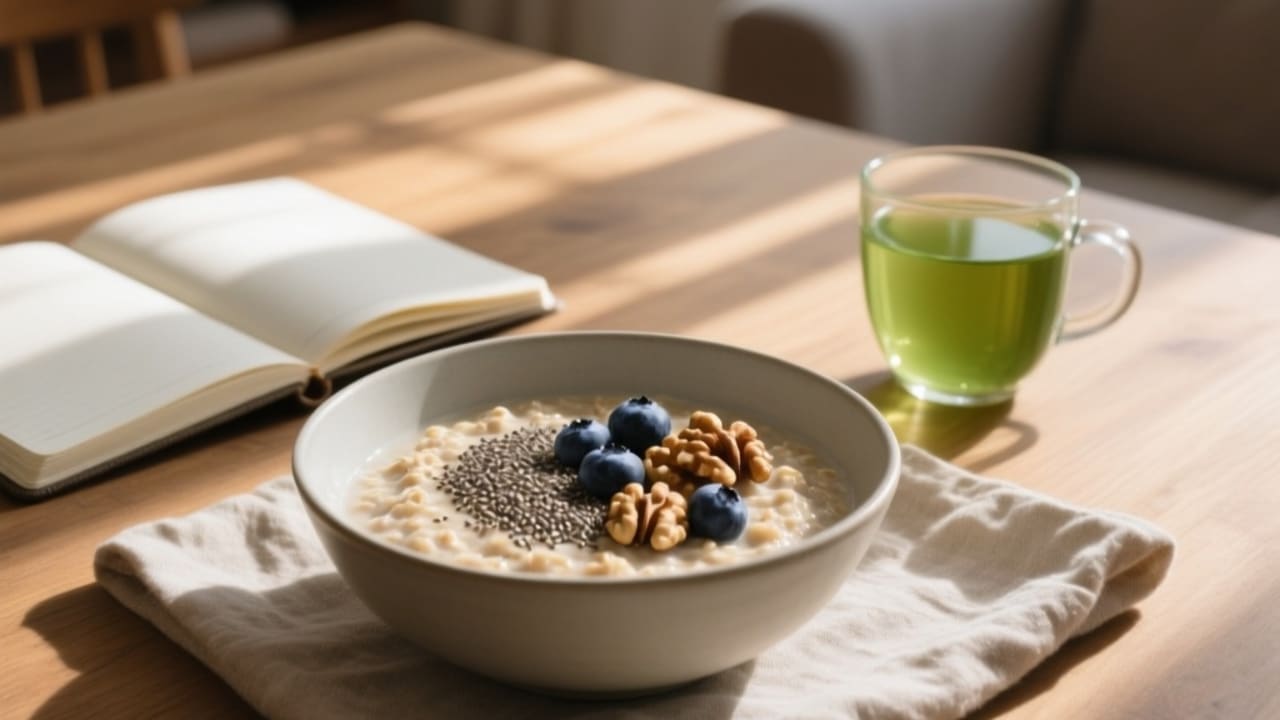
Practically, that looks like oatmeal with chia and berries, a lentil salad with arugula, or roasted carrots and broccoli with tahini. Each bite is small, but the cumulative signal to your immune system can be calmer, steadier, less reactive. Think of fiber as the slow, steady Wi‑Fi your gut-brain network prefers.
One caveat: bump fiber gradually and hydrate. Going from zero to chickpea hero overnight may cause…audible feedback. Your microbes appreciate a gentle ramp.
Sensitive gut? Use low‑FODMAP as a tool, not a lifestyle
For irritable bowel symptoms, a structured low‑FODMAP phase can reduce gas, cramping, and urgency. In 2025 coverage, CNN reported that experts rated low‑FODMAP highly for IBS symptom relief. But there’s a tradeoff: a 2025 conference paper (BIO Web of Conferences) cautioned that long-term restriction may temporarily lower beneficial bacteria—hence the importance of reintroduction.
The move: use low‑FODMAP short-term with a clinician or dietitian, identify personal triggers, then re-expand your diet to regain fiber diversity. That way, you soothe symptoms without starving the very microbes that help protect you from inflammation.
Imagine your gut like a party with a few noisy guests. Low‑FODMAP asks them to step outside for a minute so you can reset the vibe—then you invite back the ones who play nice.
Why this matters
What does any of this mean for your Monday morning? Fewer UPFs and more plants can translate to steadier energy, less afternoon grazing, and calmer digestion. And because the gut talks to your brain, supporting your microbiome may have knock-on benefits for focus and mood—small, cumulative shifts that show up in how you feel at 10 am and 10 pm.
“Food is input, inflammation is output — change the inputs, and your gut often changes the conversation.”
This isn’t about being perfect. It’s about upgrading the default most days so your system spends less time putting out fires.
What you can do today
- Adopt a simple plate formula that may help: half nonstarchy veggies (leafy + cruciferous), a quarter protein (fish, poultry, tofu), a quarter whole grains or beans, plus olive oil.
- Swap smart: replace one ultra-processed item daily (sugary yogurt, bottled dressing, soda) with a whole-food version—plain yogurt with berries, olive oil + lemon, sparkling water.
- Add omega‑3s 2–3 times weekly: salmon or sardines; or walnuts, chia, and ground flax if you prefer plant-based sources.
- Hit a fiber “minimum viable dose”: aim for at least 2 cups of vegetables and 1 cup of berries most days; increase gradually and drink water.
- If you have IBS-type symptoms, consider a short low‑FODMAP trial with a clinician or dietitian, then reintroduce to protect beneficial bacteria.
You don’t need a 30-day reset. Just give your plate a quiet nudge, day after day. If this was helpful, pass it to a friend who’s tired of guessing what to eat when their gut acts up.
Frequently Asked Questions
Some dietary scoring tools (like EDIP used in research) classify coffee and tea as anti-inflammatory, especially without added sugars and syrups. If caffeine bothers you, try decaf or green tea and watch how you feel.
Sugary drinks, candies, and packaged sweets are big wins. Many people also benefit from swapping flavored yogurts and bottled dressings for plain yogurt with fruit and simple olive oil–lemon dressings.
Some people notice changes in bloating and energy within 1–2 weeks, but timelines vary. Gradual, consistent shifts tend to work best; check in with a healthcare professional if symptoms persist or are severe.