
Most people blame stress for the fatigue, brain fog, or nagging aches—when the quiet driver is often what’s on the plate. Low-grade inflammation hums along in the background and your gut feels it first.
Picture this: lunch is a quick pastry, coffee, and a desk salad. You’re wired, then wiped. By 3 p.m., cravings roar. That pattern doesn’t just swing blood sugar—it nudges inflammation and irritates your microbiome, the bacterial ecosystem that helps regulate immune signals.
Here’s the thing: you can turn down that signal without going “all or nothing.” A few targeted foods—berries, olive oil, greens, fatty fish, beans, fermented foods, spices—work together to calm inflammation and feed a healthier gut.
- Add one fermented food daily (yogurt, kefir, kimchi); it may lower inflammatory markers and supports microbiome diversity.
- Build your plate: half vegetables, a quarter high-fiber carbs (quinoa, oats, beans), a quarter protein, plus a spoon of olive oil.
- Omega-3s (salmon, sardines, walnuts, flax) can help balance pro-inflammatory fats—aim 2 fish meals weekly or seeds daily.
- Counterintuitive: start with fat—1–2 tbsp extra-virgin olive oil—before carbs to blunt glucose spikes.
- Spices count: turmeric + black pepper, ginger, garlic, and green tea add gentle, daily anti-inflammatory support.
The inflammation–gut loop (and why food shifts it)
Your gut isn’t just a digestion tube—it’s a command center that talks to your immune system all day long. When your microbiome is diverse and well-fed with fiber and polyphenols, it produces short-chain fatty acids (like butyrate) that help keep the gut lining tight and inflammatory signals in check.
A 2021 trial from Stanford published in Cell found that adding fermented foods (yogurt, kefir, kimchi, sauerkraut) increased microbiome diversity and lowered several inflammatory markers in healthy adults. In parallel, fiber-rich diets support the microbes that make those gut-calming compounds—think beans, oats, lentils, and vegetables.
Most people have been there—grab-and-go ultra-processed foods dominate Monday through Thursday. Those patterns tend to be low in fiber and high in refined fats and sugars, which can disrupt the gut barrier and stoke inflammation. The fix isn’t perfection; it’s nudging each meal toward fiber, color, and fermented additions.
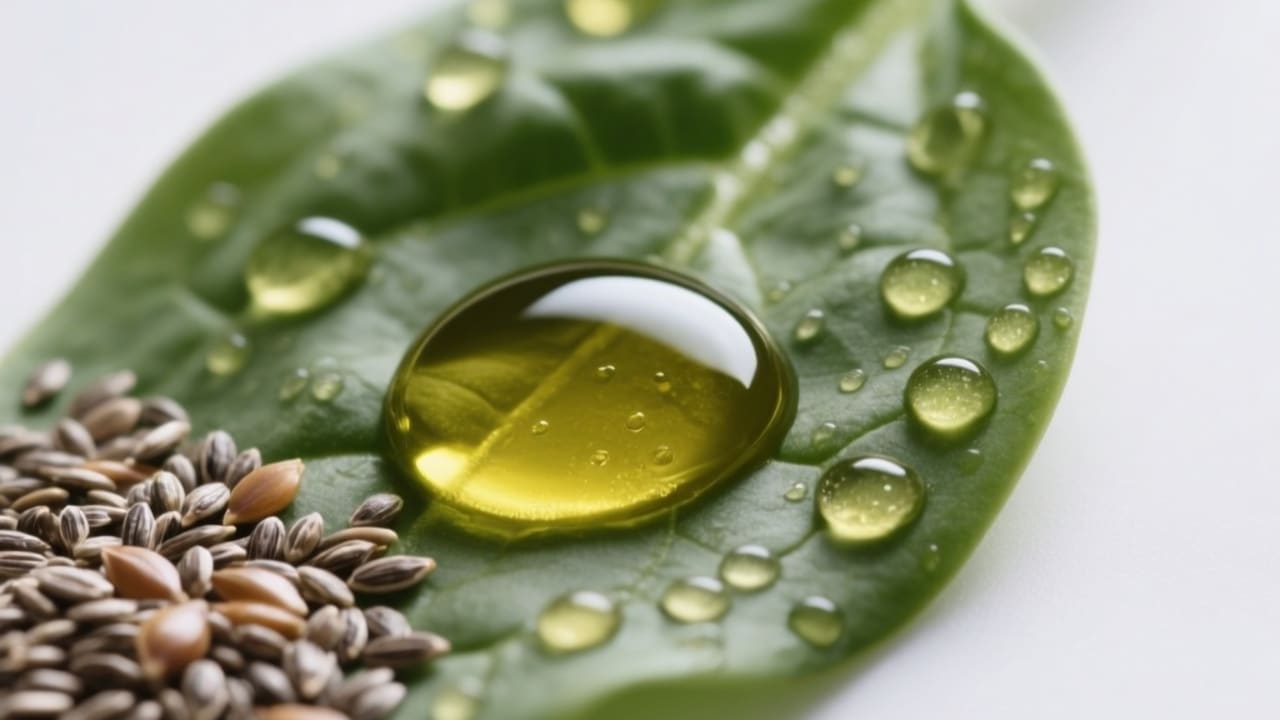
What to put on your plate (and why it works)
Olive oil, nuts, and fatty fish
Extra-virgin olive oil brings polyphenols that may dampen NF-κB (a key inflammatory pathway). Walnuts, flax, and fatty fish deliver omega-3s (EPA/DHA) that help balance pro-inflammatory omega-6s. A 2022 meta-analysis in Advances in Nutrition reported that omega-3s modestly reduced C-reactive protein (CRP), a common inflammation marker, in adults.
Leafy greens, berries, and crucifers
Greens (spinach, arugula), berries, and broccoli-family veggies are loaded with antioxidants and fiber. A 2022 review in Nutrients linked Mediterranean-style patterns—rich in these foods—to lower CRP and IL-6. Think: a salad piled with arugula, lentils, cherry tomatoes, olives, and a lemon–olive oil dressing.
Whole grains and beans
Quinoa, oats, brown rice, chickpeas, and black beans feed gut bacteria the fermentable fibers they love. A 2018 meta-analysis in Nutrition Research Reviews found higher whole-grain intake was associated with lower systemic inflammation markers.
Fermented foods and gentle spices
Daily fermented foods may boost microbial diversity, and spices like turmeric and ginger add low-effort support. A 2019 meta-analysis in Phytotherapy Research found curcumin supplementation reduced CRP, especially when combined with piperine (black pepper) to improve absorption.
Relatable lens: imagine your plate as a mixed playlist—olive oil is the bassline, fiber-rich carbs the rhythm, protein the melody, fermented foods the remix that keeps the set balanced.
Busy-week swaps that lower inflammation without thinking
You know that 7 p.m. moment: you’re hungry, tired, and “what’s for dinner?” feels like a trap. Stack your environment so the anti-inflammatory choice is the easy one.
- Breakfast: swap sweet cereal for overnight oats with chia, blueberries, and a spoon of almond butter. Add kefir or plain yogurt for fermented power.
- Lunch: trade fries for a grain-and-greens bowl—quinoa, arugula, salmon or chickpeas, olive oil, lemon, and pickled veggies.
- Snacks: replace candy with a square of dark chocolate (70%+), a handful of walnuts, or sliced peppers with hummus.
- Dinner: two nights a week, go fish-forward (salmon, sardines, trout) with roasted broccoli and herbed brown rice. The rest? Beans or lentils + veggies + olive oil.
- Drinks: green tea instead of another coffee; sparkling water with citrus instead of soda. Aim for pale-yellow urine as a simple hydration check.
Why it works: a large NIH-controlled feeding study in 2019 (American Journal of Clinical Nutrition) found ultra-processed diets drove higher calorie intake compared with minimally processed options. Swapping in whole, fiber-rich foods helps stabilize appetite and can reduce inflammatory load over time.

Spices, probiotics, and thoughtful extras
Turmeric (with black pepper), ginger, garlic, cinnamon, and green tea are easy wins. A 2020 review in Molecules described how extra-virgin olive oil and tea polyphenols may modulate inflammatory signaling and oxidative stress.
Probiotics can help some people, but the effect is strain- and condition-specific. A 2020 meta-analysis in Nutrients reported modest CRP reductions with certain probiotic strains in adults. If you try a supplement, consider a 4–8 week trial, one change at a time, and track how you feel.
If you’re sensitive to FODMAPs (certain fermentable carbs), you can still eat anti-inflammatory: choose tolerated vegetables (zucchini, eggplant, spinach), firm bananas, oats, rice, and low-lactose yogurt. The Monash University FODMAP app can help tailor choices without losing fiber.
Why this matters
Food choices stack. One meal won’t make or break your health, but your “defaults” decide how you feel at 3 p.m., how you sleep, and whether your workouts build you up or leave you wrecked.
Eat like you’re turning down a dimmer, not flipping a switch. Small, steady changes calm the noise your body’s been trying to talk over.
But what does that actually mean for your Monday morning? It’s prepping a jar of chia oats on Sunday. Keeping a bottle of good olive oil on your desk for salads. Buying kefir you’ll actually drink. Planning salmon for Tuesday so you don’t decide hungry.
What you can do today
- Anchor your meals with plants: fill half your plate with vegetables or fruit. Research suggests higher produce intake is linked to lower inflammatory markers.
- Add a fermented food daily: yogurt, kefir, kimchi, sauerkraut, tempeh. This may help microbiome diversity and immune balance.
- Prioritize omega-3s: eat fatty fish 1–2 times weekly or add ground flax/chia or walnuts most days.
- Cook with extra-virgin olive oil: 1–2 tablespoons on salads, grains, or cooked veggies can raise polyphenol intake.
- Use spices liberally: turmeric + black pepper, ginger, garlic, cinnamon. These may support inflammatory balance when used consistently.
- Swap ultra-processed snacks for fiber + protein: fruit + nuts, veggies + hummus, or Greek yogurt with berries.
- Hydrate on purpose: sip water or unsweetened tea across the day; aim for pale-yellow urine as a simple cue.
- If you’re managing a condition or on medication, check changes with your clinician—especially supplements like curcumin or green tea extracts.
You don’t need a perfect plan—just a repeatable one. Start with one fermented food, one fatty fish dinner, and one colorful plant at every meal this week. Then share this with a friend who’s ready to eat in a way that actually feels good.
Frequently Asked Questions
Yes. You can lean on plant omega-3 sources like ground flax, chia, hemp seeds, and walnuts, plus extra-virgin olive oil and plenty of greens and beans. If you’re open to supplements, talk with a clinician about algae-derived DHA/EPA.
Many people do well with daily fermented foods. Supplements can help specific issues, but effects vary by strain and dose. If you try one, test a single product for 4–8 weeks and track symptoms before switching.
Moderate coffee often fits fine. Fermented and lower-lactose dairy (yogurt, kefir) may be better tolerated and can support gut health. Red and processed meats are linked with higher inflammation risk; if you eat them, keep portions small and occasional.