
Most people try to fight inflammation by cutting things out: no dairy, no gluten, no joy. Here’s what nobody tells you—adding the right foods often moves the needle faster than restriction ever will.
Picture this: you swap your usual lunch for a bowl with greens, salmon, olive oil, and beans. Two weeks later, your energy is steadier, your 3 pm crash is quieter, and your workouts feel a touch easier. That’s not hype. That’s biochemistry meeting your grocery list.
- Add foods, don’t just restrict: EVOO, fatty fish, berries, greens, beans, and whole grains may help calm inflammation.
- Your gut is the switchboard: Fiber and polyphenols feed microbes that make anti-inflammatory short-chain fatty acids.
- Small, daily doses win: 2 tbsp extra-virgin olive oil, 2 seafood meals/week, 1 cup berries, a handful of nuts.
- Counterintuitive: Dark chocolate (70%+) can fit—think 1–2 squares, not a bar.
- Spices matter: Turmeric with black pepper and ginger can modestly lower inflammatory markers in some people.
Inflammation 101: Why your menu matters
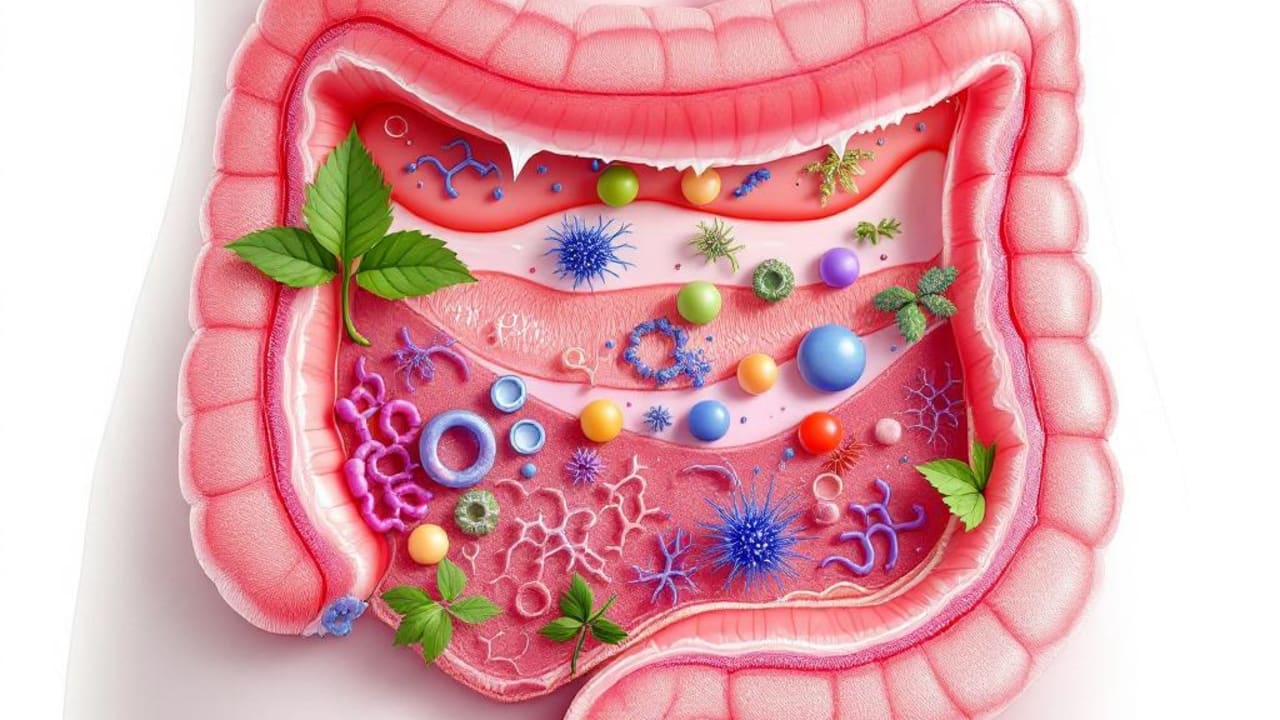
Chronic, low-grade inflammation isn’t an all-or-nothing switch—it’s a dimmer. Food nudges that dimmer through three levers: your gut microbes, your fats, and your phytonutrients. When you feed your microbiome fiber and polyphenols, it produces short-chain fatty acids (like butyrate) that signal your immune system to cool it.
A 2021 randomized trial from Stanford, published in Cell, found that a fermented-food diet increased microbiome diversity and reduced several inflammatory markers over 10 weeks. And a 2022 review in Nature Reviews Gastroenterology & Hepatology reported that higher-fiber patterns are linked to lower C‑reactive protein (CRP), a common inflammation marker. Translation: what you eat changes your gut chatter, which changes your immune tone.
Think of it like this: ultra-processed snacks are like pouring gasoline on tiny immune embers; beans, greens, and olive oil are the water hose.
The short list: 12 anti-inflammatory foods you’ll actually eat
Forget 50-food lists you’ll never finish. Here are 12 heavy hitters with solid science and easy ways to use them.
1) Extra-virgin olive oil (EVOO)
Rich in polyphenols like oleocanthal, EVOO has aspirin-like properties. The PREDIMED trial (Spain, 2013) linked a Mediterranean pattern enriched with EVOO to lower inflammatory markers and better cardiovascular outcomes. Drizzle 1–2 tbsp on salads or warm veggies; it’s also stable for gentle sautéing.
2) Fatty fish (salmon, sardines, mackerel)
Omega-3s (EPA/DHA) shift your body toward anti-inflammatory eicosanoids. A 2019 meta-analysis found omega-3 intake modestly reduced CRP. Aim for two seafood meals per week; canned sardines in olive oil make it almost too easy.
3) Berries (blueberries, blackberries, raspberries)
Polyphenols feed beneficial gut bacteria and scavenge free radicals. A 2020 review in Nutrients linked berry intake to lower oxidative stress and inflammation. Keep a frozen bag for smoothies and yogurt bowls.
4) Leafy greens (spinach, kale, chard)
Fiber, vitamin K, and carotenoids support vascular and immune health. Toss into omelets, blend into pesto, or massage with EVOO and lemon for a quick salad.
5) Cruciferous vegetables (broccoli, Brussels sprouts)
Sulforaphane and friends upregulate your body’s antioxidant defenses. Roast with garlic and a splash of olive oil; finish with lemon zest for brightness.
6) Beans and lentils
Prebiotic fiber fuels short-chain fatty acids linked to lower inflammation. A 2019 trial showed legumes can lower LDL and improve inflammatory profiles. Start with 1/2 cup to keep your gut comfortable as fiber increases.
7) Whole grains (oats, barley)
Beta-glucan fiber may reduce CRP and stabilize blood sugar. A 2018 randomized study found oat beta‑glucan improved inflammatory markers in adults with elevated cholesterol. Overnight oats with berries checks two boxes before 9 am.
8) Nuts and seeds (walnuts, almonds, chia, flax)
Healthy fats, minerals, and polyphenols—plus plant omega‑3s (ALA) in walnuts, chia, and flax. A small handful (about 1 oz) daily pairs well with fruit or salads.
9) Turmeric (with black pepper)
Curcumin may modestly reduce inflammatory markers; piperine from black pepper enhances absorption. A 2021 meta-analysis reported small but significant CRP reductions. Golden milk at night or a teaspoon in lentil soup works well.
10) Ginger
Gingerols have anti-inflammatory activity and may help with muscle soreness. Grate into stir-fries or steep as tea with lemon.
11) Green tea
EGCG and other catechins support antioxidant pathways and a calmer inflammatory tone. Brew hot, or cold-steep overnight for a smoother flavor.
12) Dark chocolate (70%+ cacao)
Cocoa flavanols can support endothelial function. Keep portions small—1–2 squares after dinner—to get benefits without a sugar spike.
Big picture check: The Mediterranean pattern—vegetables, legumes, whole grains, fish, nuts, and EVOO—bundles almost all of these. That’s why it consistently tracks with lower inflammation across cohorts and trials, including PREDIMED’s long-term outcomes.
Build your anti-inflammatory plate (without meal-prep burnout)
Most people have been there—Sunday ambitions, Wednesday takeout. The fix is frictionless structure. Anchor each plate with three moves: plants, protein, and a drizzle.
- Breakfast: Overnight oats + chia, berries, and a spoon of almond butter.
- Lunch: Big greens + lentils, tomatoes, olives, and EVOO-lemon dressing.
- Dinner: Sheet-pan salmon, Brussels sprouts, and barley with herbs.
- Snack: Green tea and a handful of walnuts.
A 2021 Stanford trial in Cell found fermented foods (yogurt, kefir, kimchi) increased microbiome diversity while dialing down inflammatory signals. If you tolerate dairy, 1–2 servings of fermented yogurt or kefir may help; otherwise try sauerkraut or kimchi on grain bowls.
Pro tip: set a “kitchen default.” Keep a bottle of EVOO, a lemon, a jar of nuts, a bag of frozen berries, and canned salmon within arm’s reach. When healthy is the easy option, you’ll choose it more often.

Spices and supplements: what helps vs. hype
Spices are the quiet overachievers. Turmeric + black pepper, ginger, garlic, and cinnamon add flavor while nudging inflammatory pathways. Some people explore supplements (curcumin, fish oil), but food first tends to be more sustainable—and gentler on your gut.
A 2020 umbrella review suggested fish oil may modestly reduce inflammatory markers, especially in people with higher baseline inflammation. Curcumin supplements showed small benefits across meta-analyses but can interact with medications and aren’t ideal for everyone. It’s worth discussing with a clinician if you’re considering higher-dose supplements, especially if you take blood thinners or have gallbladder issues.
Here’s the thing: no capsule outperforms a consistent pattern of plants, seafood, and olive oil—plus sleep, movement, and stress care.
Why this matters
But what does that actually mean for your Monday morning? It means fewer decisions. Rotate a handful of ingredients you love and you’ll feel the difference where it counts—steady energy, calmer digestion, and meals that don’t feel like a second job.
“Food isn’t a magic wand, but it is a daily vote. Cast enough of them and inflammation has fewer reasons to roar.”
And if you live with a condition affected by inflammation, these swaps are a supportive base to discuss with your doctor or dietitian—not a replacement for care.
What you can do today
- Choose one anchor: add 2 tbsp extra-virgin olive oil daily (dressings, drizzles). Research suggests EVOO polyphenols may support lower inflammatory markers.
- Plan two fish nights this week: salmon, trout, sardines, or mackerel. Omega‑3s may help shift your inflammatory balance.
- Make a fiber ladder: add 1/2 cup beans or lentils three days this week, then build to most days if your gut tolerates it.
- Stock a polyphenol trio: frozen berries, green tea, and dark chocolate (70%+). Small, regular servings are worth trying.
- Add a daily spice habit: 1/2–1 tsp turmeric with a pinch of black pepper, or fresh ginger tea. If you’re on meds, check with your clinician first.
You don’t need a perfect diet to feel better—just a reliable rhythm. If this was helpful, pass it along to the friend who’s still fighting inflammation with cutting lists, not adding power foods.
Frequently Asked Questions
Some people notice steadier energy and digestion in 1–2 weeks, but measurable changes in markers like CRP may take longer. Consistency matters more than intensity—small daily habits tend to add up.
Not necessarily. Many people do well focusing on adding anti-inflammatory foods first. If you suspect a sensitivity, discuss a short-term, supervised trial with a clinician or dietitian rather than cutting entire groups indefinitely.
Supplements can deliver higher doses and may help some people, but they can interact with medications. Cooking with turmeric plus black pepper is a safe starting point; consider supplements only after talking with your healthcare provider.