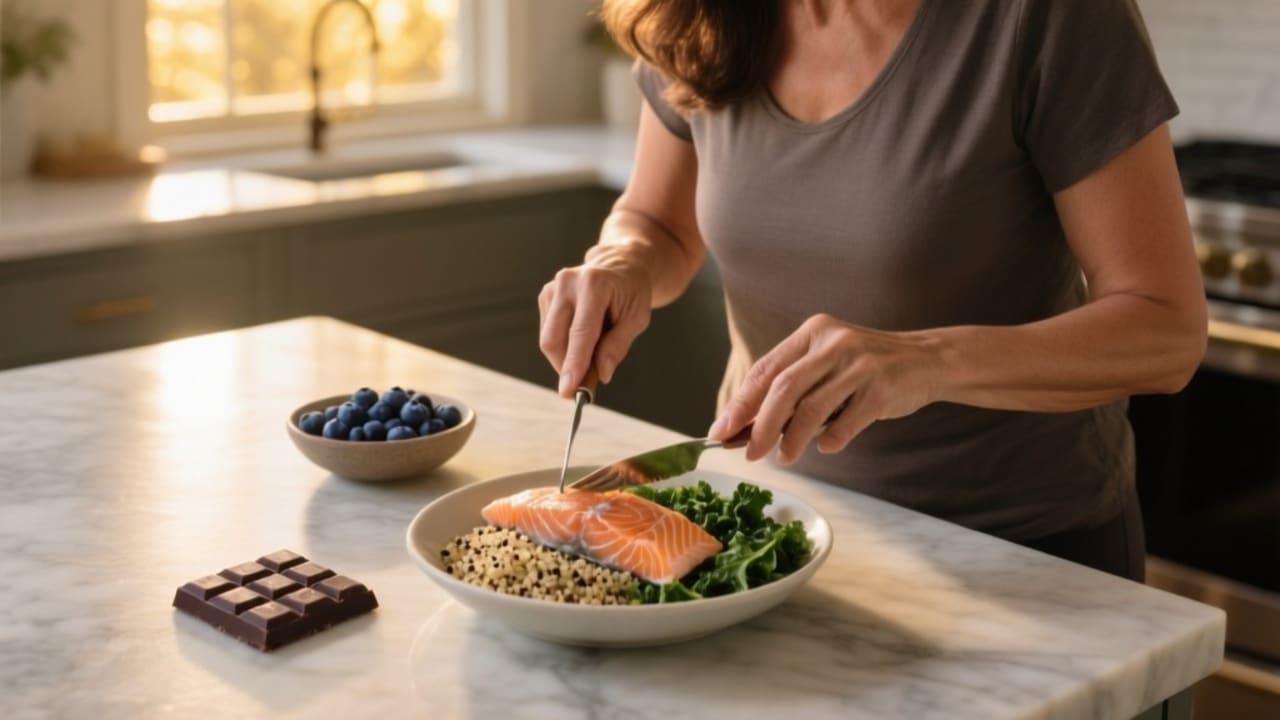
Most people blame stress or age for the aches, the puffy fingers after takeout, the 3pm fog. Here’s the thing: a quiet fire in your body often starts with what’s on your plate—too little fiber and omega‑3s, too many ultra-processed oils and sugars.
The good news? You don’t need exotic powders. The most reliable anti-inflammatory foods are hiding in plain sight: fish, berries, beans, whole grains, nuts, dark chocolate, and a few everyday staples that work together like a cooling system.
- Hit a fiber target: Aim for ~25–38g/day; most adults get ~15g.
- Fish twice weekly: Two 4–6 oz servings of salmon, sardines, or mackerel may help cool inflammatory pathways.
- Counterintuitive: 1 oz of 70%+ dark chocolate can fit an anti-inflammatory plan.
- Gut wins first: Beans, lentils, whole grains, and fermented foods feed microbes that make anti-inflammatory compounds.
- Oil swap: Make extra‑virgin olive oil your default cooking and dressing fat.
What Nobody Tells You About Food and Inflammation
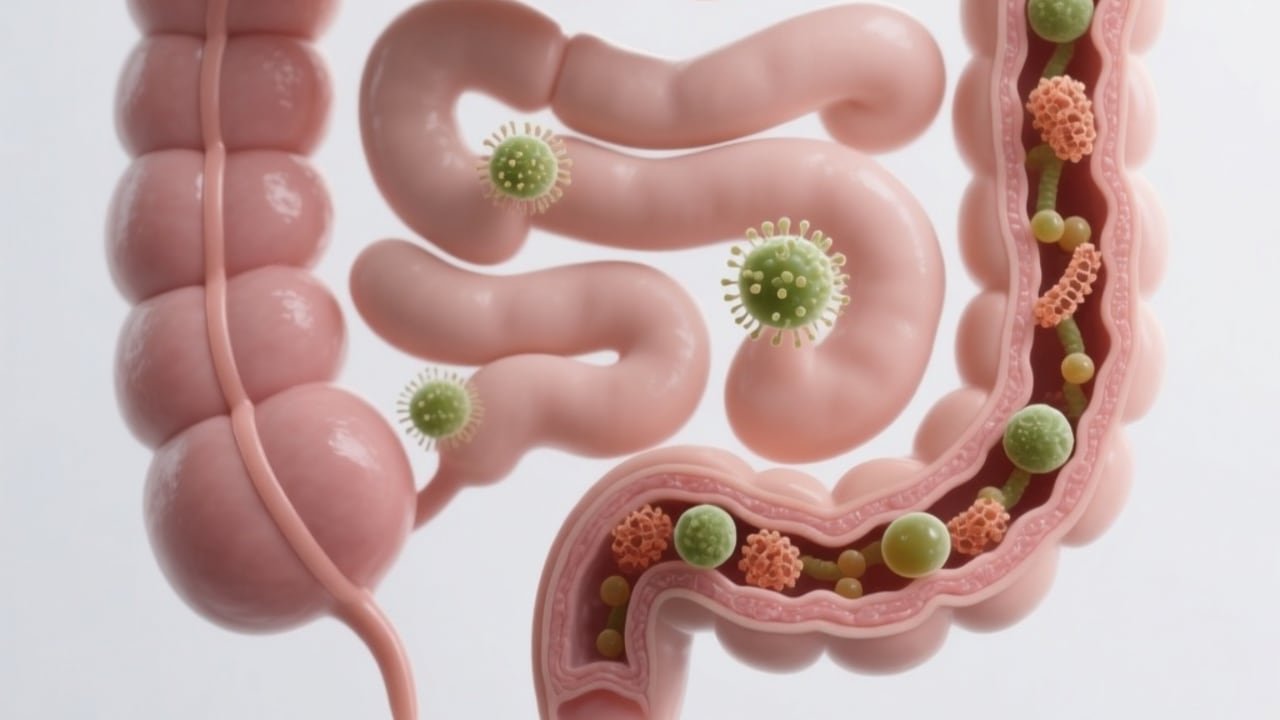
Inflammation isn’t just sore joints—it’s chemistry. Your gut microbes turn fiber into short-chain fatty acids (like butyrate) that help keep the immune system balanced. When your plate is low in fiber and high in refined starches and seed‑oil‑heavy fried foods, those signals can tilt pro‑inflammatory.
Picture this: same calories, different messengers. A grain bowl with lentils, greens, olive oil, and salmon sends “resolve and repair” signals; a fast‑food combo pushes “alarm” buttons. A 2021 paper in Cell from Stanford researchers found that a diet rich in fermented foods increased microbiome diversity and reduced multiple inflammatory markers over 10 weeks—real shifts, not wellness folklore.
The 10 All‑Star Anti‑Inflammatory Foods for 2025
You don’t need all ten daily. Rotate them through your week and let them work as a pattern:
1) Fatty fish (salmon, sardines, mackerel)
EPA and DHA from fish become resolvins and protectins—compounds your body uses to actively wind down inflammation. A 2020 review in Nutrients (Calder) details how omega‑3s modulate eicosanoids and cytokines linked to chronic inflammation. Tip: two servings/week; if you’re plant‑based, consider an algae‑based EPA/DHA supplement (talk to your clinician).
2) Berries (blueberries, strawberries, blackberries)
Rich in anthocyanins that may help reduce oxidative stress and inflammatory signaling. Frozen works. Toss a cup into oats or yogurt. A 2019 Nutrients review links berry intake with improvements in cardiometabolic markers, including some inflammation biomarkers.
3) Dark chocolate (70%+ cacao)
Cocoa flavanols support vascular health and may nudge inflammatory markers in the right direction. Keep it to ~1 oz and choose low‑sugar bars. A 2021 overview in Nutrients highlights cocoa’s polyphenols and endothelial benefits relevant to inflammation.
4) Whole grains (oats, quinoa, barley)
Whole grains deliver fiber and polyphenols that feed gut bacteria. In randomized trials, swapping refined grains for whole grains has lowered CRP in some groups. Try half your grains whole for a week and notice energy and satiety shifts.
5) Beans and lentils
Budget-friendly fiber and plant protein. Their fermentable fibers boost butyrate, which may calm immune overactivity in the gut. Start with ½ cup/day to avoid bloating as your microbiome adapts.
6) Nuts and seeds (walnuts, almonds, pistachios, flax, chia)
Healthy fats + fiber + phytochemicals. Walnuts bring ALA (a plant omega‑3). A handful (about 1 oz) most days is linked with lower cardiometabolic risk, part of the recipe for fewer inflammatory sparks.
7) Extra‑virgin olive oil (EVOO)
Polyphenols like oleocanthal have ibuprofen‑like properties in lab models. Mediterranean diet trials using EVOO show improvements in cardiovascular outcomes and inflammatory profiles. Use it as your default cooking and finishing oil.
8) Leafy and cruciferous vegetables
Kale, arugula, broccoli, cabbage—packed with sulforaphane precursors and antioxidants that may support detox enzymes and temper inflammatory pathways. Aim for a big salad or a heaped side daily.
9) Fermented foods (yogurt, kefir, kimchi, sauerkraut)
They introduce beneficial microbes and bioactives. In that Stanford Cell study (2021), 6 servings/day over 10 weeks reduced multiple inflammatory cytokines; even 1–2 servings/day is a reasonable start.
10) Spices (turmeric, ginger, cinnamon)
Small but mighty add‑ons with polyphenols that may help modulate NF‑κB and oxidative stress. Cook with them, don’t just supplement.
Fiber-First Is the Real Anti‑Inflammatory Hack
If there’s one lever to pull this week, it’s fiber. When gut microbes ferment fiber, they produce short‑chain fatty acids (SCFAs) like butyrate that help maintain the gut barrier and signal immune cells to stay measured. A 2016 review in Cell by Koh et al. mapped how SCFAs interface with inflammation across tissues—think of them as tiny “chill” texts to your immune system.
Most people have been there—constantly hungry, craving sweets by 4pm. Add a cup of lentil soup at lunch and a pear with almond butter at 3pm, and notice how cravings flatten. That steadier glucose curve may translate to fewer inflammatory jolts.

Build the Plate, Not Perfection
Patterns beat one-off superfoods. The Mediterranean pattern—veg, legumes, whole grains, fish, nuts, and EVOO—has some of the strongest evidence. In the landmark PREDIMED trial (N Engl J Med, 2013), a Mediterranean diet with extra EVOO or nuts reduced major cardiovascular events versus a low‑fat diet; subsequent analyses reported favorable shifts in inflammatory markers that help explain the benefit.
Try this simple rhythm: fiber at every meal, color at every meal, quality fat at every meal, fish twice a week. It’s like setting your body’s thermostat to “calm” and letting it run in the background.
Why This Matters
Food choices show up as how your mornings feel, how your rings fit, how your focus holds at 2pm, and how quickly you bounce back after a tough workout. This isn’t about restriction. It’s about stacking the deck for steady energy and less “mystery” inflammation that hijacks your week.
“Your fork sends thousands of chemical signals every day. Choose the ones that tell your body to cool, repair, and move.”
What You Can Do Today
- Build a “fiber floor”: add 1 cup beans or lentils 3–4 days this week and a high‑fiber grain (oats, barley, quinoa) once daily. Increase gradually—your gut may need time.
- Bookend the week with fish: plan salmon tacos one night and sardines on whole‑grain toast another. If vegetarian, discuss algae‑based EPA/DHA with your clinician.
- Make EVOO default: cook with extra‑virgin olive oil and finish bowls/salads with a drizzle; research suggests polyphenols may support anti‑inflammatory pathways.
- Go “one cup of color” daily: a cup of berries or 2 cups leafy greens may help boost antioxidant and polyphenol intake.
- Ferment a habit: include yogurt, kefir, kimchi, or sauerkraut most days; even small amounts may help your microbiome.
You don’t need perfection to feel better—just a pattern that quietly cools the fire. If this helped, pass it to the friend still hunting for a miracle supplement. Their answer might be at the grocery store.
Frequently Asked Questions
For most people, tomatoes, peppers, and eggplants are nutrient-dense and not inherently inflammatory. Some individuals may notice sensitivities—if you suspect that, try a short, structured trial with a dietitian rather than cutting them out long-term.
Some people notice changes in digestion, energy, or bloating in 1–2 weeks. Shifts in lab markers often take longer—think weeks to months—and depend on your overall pattern, sleep, movement, and stress.
You can emphasize ALA sources like walnuts, flax, and chia, which your body converts (inefficiently) to EPA/DHA. Many plant‑based eaters consider an algae‑derived EPA/DHA supplement—worth discussing with a healthcare professional.