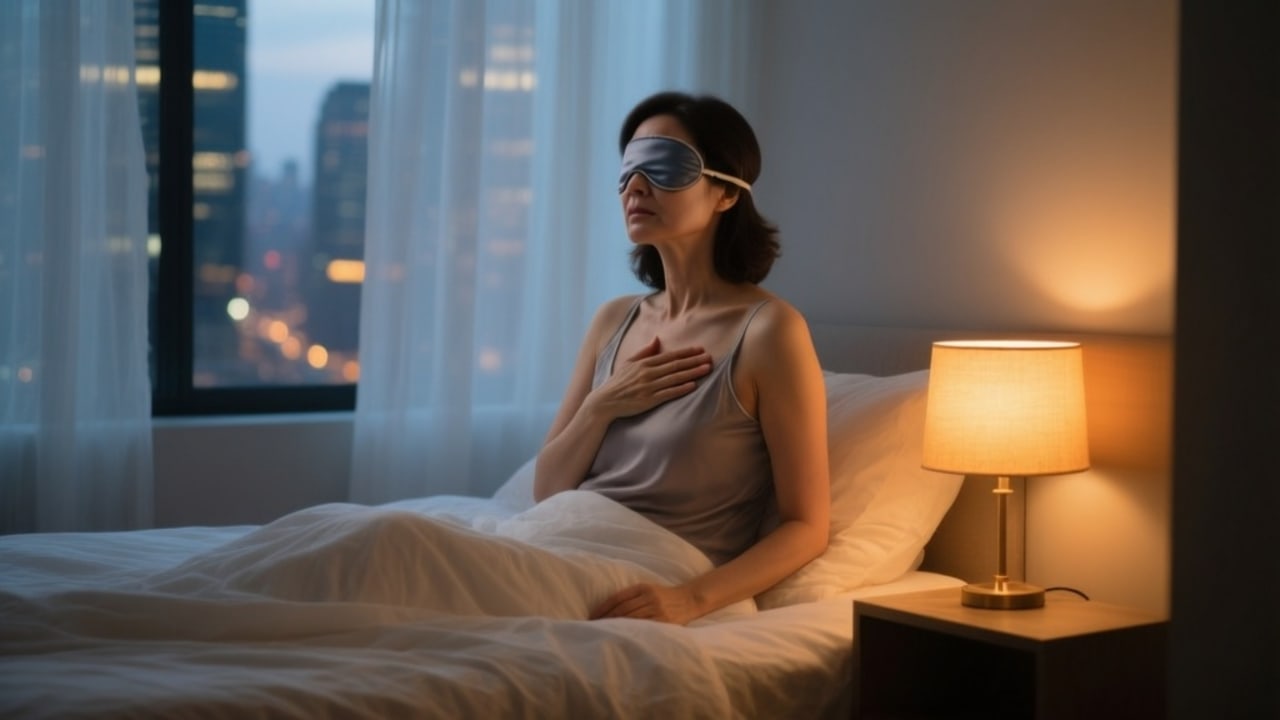
Picture this: it’s 2 a.m., your eyes are heavy, but your brain is wide-awake—replaying that Slack thread, the flight you still haven’t booked, the text you shouldn’t have sent. You’re exhausted and wired at the same time. That mismatch has a name.
Most people blame blue light or one late latte. But the real culprit for many isn’t a single habit—it’s a “hyperaroused” nervous system that overrides your sleep drive. When stress flips that switch, even perfect sleep hygiene can feel useless.
The good news: once you know what’s revving the engine, you can ease off the gas. Small, smart changes can help your brain power down again.
- Insomnia and stress are linked through nervous-system “hyperarousal” that keeps your brain alert when you want to sleep.
- Morning light plus a short walk may help reset your circadian clock more than a late-night workout.
- Consistent wake time and stimulus control (bed = sleep/sex only) are core CBT‑I strategies that can shorten sleep-onset time.
- Deep sleep supports the brain’s glymphatic “cleanup”; even small improvements in sleep continuity may help.
- Counterintuitive: Going to bed earlier when you can’t sleep often backfires—aim for a steady wake time instead.
Your Brain Is Wired, Not Tired
If sleep is a seesaw between sleep pressure and alertness, stress slams the alertness side down. That’s hyperarousal—your central nervous system running hot when it should idle. It’s like trying to park a car while the engine’s revving at 5,000 RPM.
A 2020 review in Current Psychiatry Reports described elevated cortical activity on EEG at sleep onset as a hallmark of insomnia and a pathway connecting insomnia with mood disorders. Translation: the “busy brain” at bedtime is a measurable thing, not just a feeling.
You know that moment when your head hits the pillow and your to‑do list shows up with a megaphone? That’s hyperarousal talking. Calming it—not just cutting coffee—often moves the needle most.
The Stress–Sleep Loop: How It Hooks You
Stress hormones like cortisol can nudge your brain into “protective” mode at night. Worry, pain, or rumination activate the HPA axis, making it harder to fall—or stay—asleep. Once you start losing sleep, you worry more, and the loop tightens.
A 2019 review on behavioral strategies for insomnia highlighted Spielman’s “3P” model: predisposing factors (like high sleep reactivity), precipitating events (like a breakup or injury), and perpetuating habits (like spending hours in bed awake) maintain insomnia even after the stressor fades.
Most people have been there—after a rough week, you start going to bed earlier “to catch up,” scrolling in bed because you’re not sleepy. That well‑meant fix teaches your brain that bed = wakefulness, and the cycle sticks.
When Timing, Not Time, Is the Problem
Even if your stress is under control, a misaligned body clock can block good sleep. Shift work, weekend sleep-ins, or late-night workouts push your circadian rhythm off-beat—so your brain’s “sleep window” doesn’t match your schedule.
A Mayo Clinic overview notes that travel across time zones, rotating shifts, and irregular bedtimes disrupt circadian rhythms, a common driver of insomnia. The fix isn’t more hours in bed—it’s better timing of light, meals, movement, and wind‑down.
Think of your sleep like catching a train. When you miss your usual departure, hanging around the station longer doesn’t help—you need to realign your schedule to the next on‑time train.

Deep Sleep Is Brain Care (Hello, Glymphatic System)
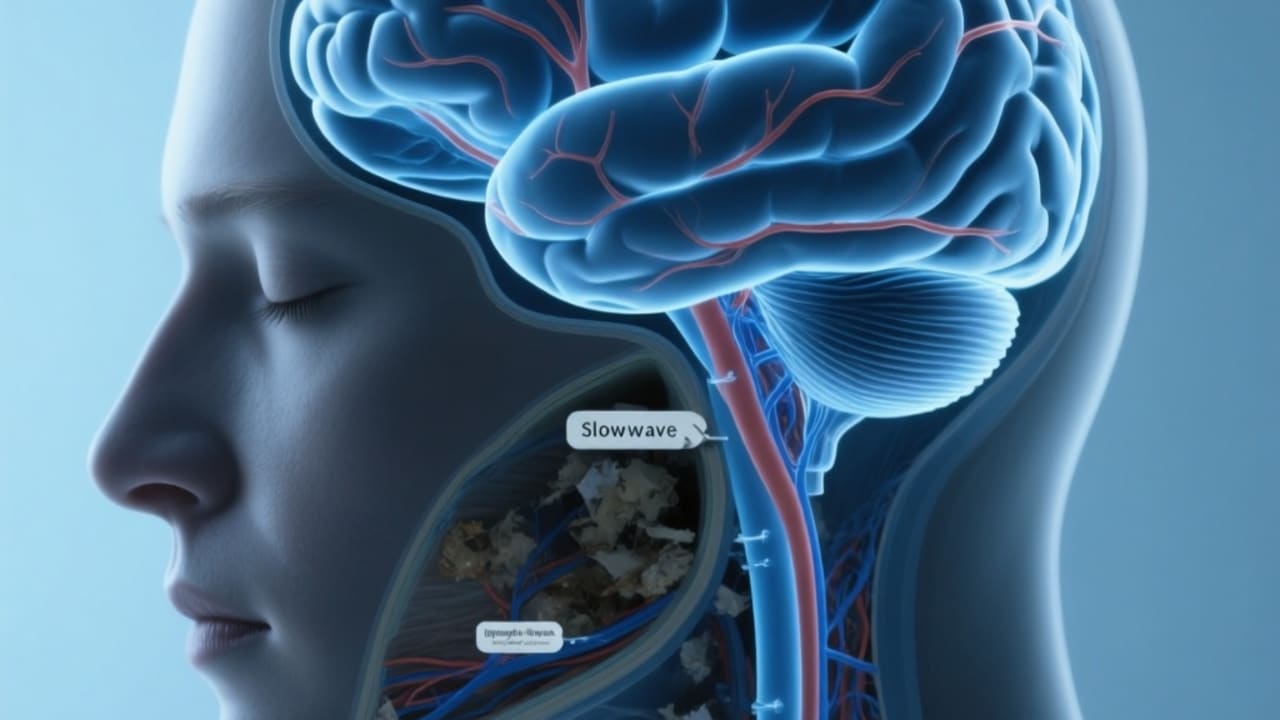
During slow‑wave sleep, your brain dials down metabolism and ramps up housekeeping—moving waste products through the glymphatic system. Fragmented nights may mean less time in this deep, restorative phase.
The American Brain Foundation explains that slow‑wave sleep typically peaks early in the night and supports the brain’s natural cleanup process. Better continuity—even without “perfect” eight-hour nights—may still support this system.
If you’ve ever felt strangely foggy after a choppy night, that’s your brain’s maintenance window getting cut short. Protecting deep sleep is less about a fancy gadget and more about consistent rhythms that let your brain do its job.
Why This Matters
Insomnia isn’t a willpower problem. It’s a biology‑meets‑behavior loop. When you understand the levers—hyperarousal, timing, and learned wakefulness—you can stop fighting the night and start tuning your days to make sleep easier.
“Sleep improves most when daytime choices lower nighttime arousal and your schedule supports your natural sleep window.”
But what does that actually mean for your Monday morning? A few small moves—done consistently—often beat big overhauls you’ll abandon by Thursday.
What You Can Do Today
- Anchor your wake time within a 30‑minute window daily. Research on CBT‑I suggests a steady wake time may reduce sleep‑onset latency by reinforcing your circadian and homeostatic drive.
- Use stimulus control: bed is for sleep and sex only. If you’re awake ~20 minutes, get up, do something calm in low light, and return when drowsy. This may retrain your brain that bed = sleep.
- Get morning light + 10 minutes of movement. Natural light exposure and gentle activity soon after waking may shift your circadian rhythm earlier and reduce evening hyperarousal.
- Offload stress before bed. A brief worry journal, guided breathing, or a warm shower 1–2 hours before lights out may lower arousal. If anxiety or pain are significant, discussing options with a clinician could help.
- Time the stimulants (and alcohol). Consider pausing caffeine after lunch and keep alcohol moderate and earlier in the evening; both may fragment sleep even if they seem to help you unwind.
If your insomnia is frequent or long‑lasting, or if you have symptoms like loud snoring, leg discomfort at night, or mood changes, it’s worth discussing with a healthcare professional. CBT‑I (cognitive behavioral therapy for insomnia) is a first‑line therapy and can be delivered via trained clinicians or validated digital programs.
You don’t have to fix everything to sleep better. Pick one lever—light, timing, or arousal—and give it a week. Small wins stack.
Frequently Asked Questions
Many people notice improvement within 3–7 days of consistent wake time, morning light, and stimulus control. If poor sleep persists beyond a few weeks, consider CBT‑I or talking with a clinician.
Low-dose melatonin may help shift timing if your rhythm is late (night owls or jet lag), but it’s less effective for hyperarousal. Short-term, low doses (e.g., 0.5–1 mg) are often used; discuss with your doctor, especially if you take other medications.
A brief, early‑afternoon nap (10–20 minutes) may take the edge off without harming night sleep. Avoid late or long naps, which can reduce sleep pressure and make bedtime harder.