
Most people blame willpower when the real cause is biology. You eat less, move more—and a few weeks later your weight stalls and your hunger ramps up. It feels unfair because it is: your body is designed to defend the status quo.
Here’s the thing: lasting results rarely come from forcing the same plan harder. They come from making your plan more personal—tuning it to your hormones, your routines, and how your body actually responds to food and exercise. That’s where personalized weight loss earns its name.
- Plateaus aren’t failure—they’re metabolic adaptation. Adjust inputs instead of quitting.
- Leptin and ghrelin steer hunger; sleep, protein, and fiber may help keep them in check.
- Precision beats dogma: track your own meal responses and energy, not just calories.
- Women in midlife may notice more belly fat; strength training and protein can help.
- Counterintuitive: Eating enough (especially protein) can reduce cravings and protect metabolism.
Your Metabolism Adapts—That’s Why Plateaus Happen
Picture this: you start a plan, the scale drops, then—brick wall. What’s happening? Your body makes “budget cuts.” When you lose weight, your resting metabolic rate often dips more than expected, and you unconsciously move less. This energy-saving response is called adaptive thermogenesis.
A well-known follow-up of “The Biggest Loser” contestants reported that resting metabolism remained suppressed years later, even after some weight regain (published in Obesity, 2016). And recent narrative reviews highlight that this adaptation varies a lot by person, which helps explain why the same plan delivers different outcomes.
What to do when your body “downshifts”
Instead of slashing calories further—often a hunger trap—many people do better by cycling strategies: modest calorie targets, more resistance training, and a bump in protein and fiber. Small tweaks can restart progress without provoking a bigger metabolic backlash.
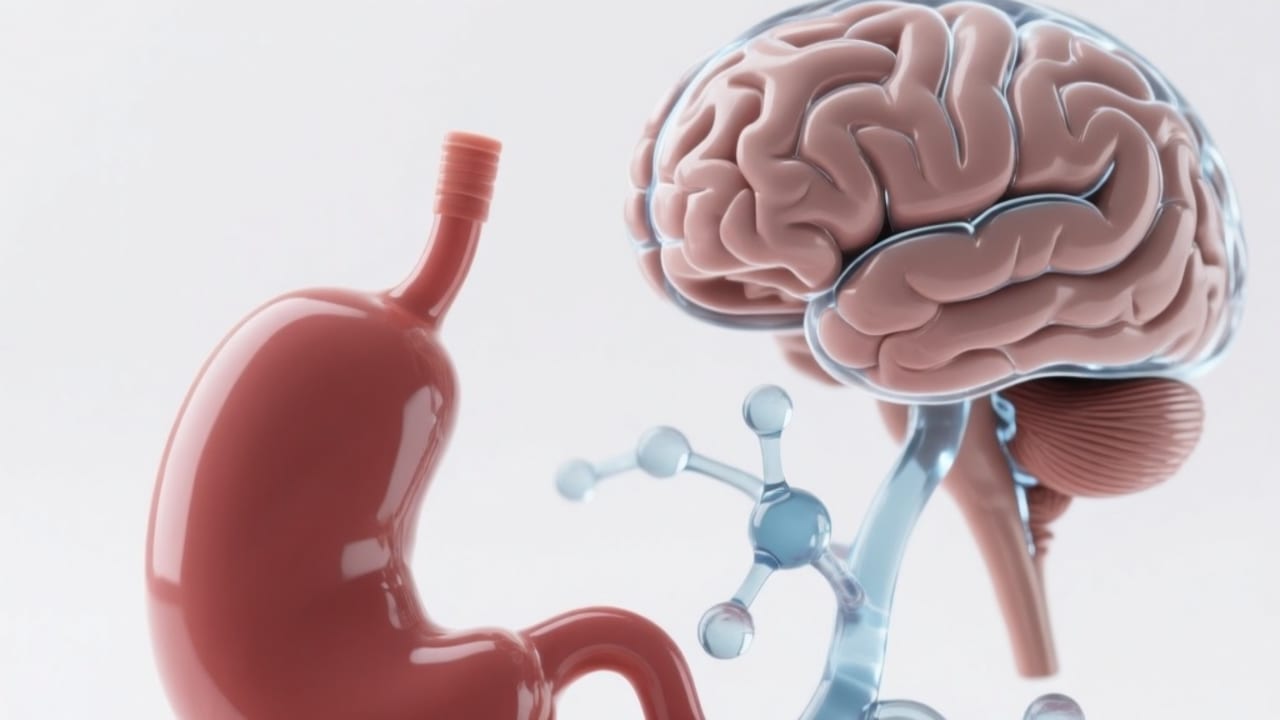
Hunger Hormones Run the Show: Leptin, Ghrelin, and Friends
You know that feeling when a “perfect” day gets hijacked by 9 p.m. cravings? That’s not just discipline wearing thin—leptin and ghrelin are nudging you. Leptin (from fat cells) tells your brain there’s energy on board; ghrelin (from the stomach) stokes appetite. Lose fat, leptin dips; restrict food, ghrelin climbs. Appetite rises—by design.
A recent open-access narrative review in Nutrients (available on PubMed Central) mapped how leptin and ghrelin shifts contribute to weight regain and why some people are more sensitive to these changes than others. The takeaway: hunger biology is personal, and working with it—not against it—can make weight loss feel less like a fight.
Turn down the volume on cravings
In practice, protein at each meal, high-fiber foods, and enough sleep may blunt ghrelin spikes and support leptin signaling. Some people also find that consistent meal timing steadies appetite. Medications like GLP‑1 receptor agonists exist, but they’re not for everyone—access, cost, and side effects matter. It’s worth discussing options with a clinician if lifestyle changes aren’t enough.
Precision Nutrition: Data Beats Dogma
Think of two friends eating the same bowl of oatmeal. One gets steady energy; the other gets a glucose spike and a 10 a.m. crash. Personalized nutrition lives in these differences. Your responses—not the internet’s—should guide your choices.
A Nature Medicine study from the PREDICT program (2020) showed huge person-to-person variability in post-meal glucose and fat responses to the same foods, influenced by sleep, activity, microbiome, and more. Meanwhile, a large trial in JAMA Internal Medicine (2022) found that time-restricted eating didn’t outperform traditional calorie reduction for weight loss—context and consistency mattered more than the label.
Build your feedback loop
You don’t need fancy gadgets to personalize. Try a two-week “n=1” experiment: rotate breakfasts (protein-forward vs. carb-forward), track energy, hunger, and workouts. If you use a wearable or a CGM, layer those signals in. The winner is the meal that keeps you satisfied and moving—not just the one with the fewest calories on paper.

Midlife Shifts: Menopause, Stress, and Where Weight Sits
Most people have been there—your habits haven’t changed much, but your body has. During the menopause transition, estrogen declines and fat distribution often shifts toward the abdomen. That can feel like your plan “stopped working,” even when you’re doing the same things.
Findings from the long-running SWAN cohort have linked the menopause transition to increased central adiposity independent of aging. Early company-reported analyses presented at diabetes conferences have also suggested that certain obesity medications may support weight loss across menopause stages, though access and individual risk–benefit discussions are key. Lifestyle still underpins maintenance either way.
Strength as a strategy
Because muscle mass naturally declines with age and stress can elevate cortisol, midlife plans tend to work better with more resistance training, adequate protein, and consistent sleep. Think of muscle like your body’s metabolic “engine”—keeping it tuned may help with both weight and how you feel day to day.
Why This Matters
This isn’t about perfection. It’s about making your plan feel human. You don’t need to chase every trend; you just need a few moves that fit your life and your biology. When you stop arguing with your hormones and start listening to them, weekdays get easier and weekends stop undoing your progress.
“Personalized isn’t fancy. It’s choosing what keeps you satisfied, strong, and able to come back tomorrow.”
What You Can Do Today
- Anchor protein at every meal (rough guide: 20–40g). Research suggests this may reduce ghrelin, support leptin signaling, and help preserve muscle.
- Lift 2–4 days per week. Resistance training may counter metabolic slowdown by maintaining lean mass, especially helpful during midlife transitions.
- Run a 14-day breakfast test. Alternate protein-forward vs. carb-forward options; track hunger and energy. Keep the one that keeps you steady.
- Sleep 7–9 hours. Short sleep is linked with higher ghrelin and lower leptin; improving sleep may help appetite feel manageable.
- Plan plateaus. If weight stalls for 2–3 weeks, try a small protein increase, add 1 strength session, or adjust calories by ~100–150/day. If you’re considering medication, speak with a clinician about risks, benefits, and costs.
You don’t have to fight your biology. Learn it, work with it, and keep what works. If this helped, share it with the friend who “does everything right” but keeps hitting the wall—and save it for the day your own plan needs a smart tweak.
Frequently Asked Questions
As body fat and calorie intake drop, leptin tends to fall and ghrelin can rise—your brain reads that as “eat.” More protein, fiber, and solid sleep may help tame those signals. If hunger feels unmanageable, consider adjusting calories slightly or adding resistance training rather than pushing harder.
Large trials suggest time-restricted eating isn’t inherently superior for weight loss. Some people like the structure; others do better with regular meals. Personal response and adherence usually matter more than the label.
Estrogen declines can shift fat toward the abdomen and make muscle maintenance harder. Prioritizing strength training, sufficient protein, and consistent sleep may help. Some medications may assist, but decisions should be made with a clinician.