
You’re wiped. Lights off. And then—your mind revs like it just hit a green light. Planning tomorrow. Replaying that awkward comment from lunch. Solving global problems no one asked you to solve at 1:47 a.m. It feels personal, like your brain didn’t get the memo about bedtime.
Here’s the thing: it might not just be “stress” or bad sleep hygiene. New research suggests many insomniacs have a disrupted 24-hour rhythm in their ability to mentally switch off at night, a kind of internal “disengagement clock.” That’s not exactly news if you’ve lived it. But it changes how we treat it—because the fix may need to target both the body’s clock and the racing mind.
The switch that won’t flip: a circadian–cognitive tug-of-war
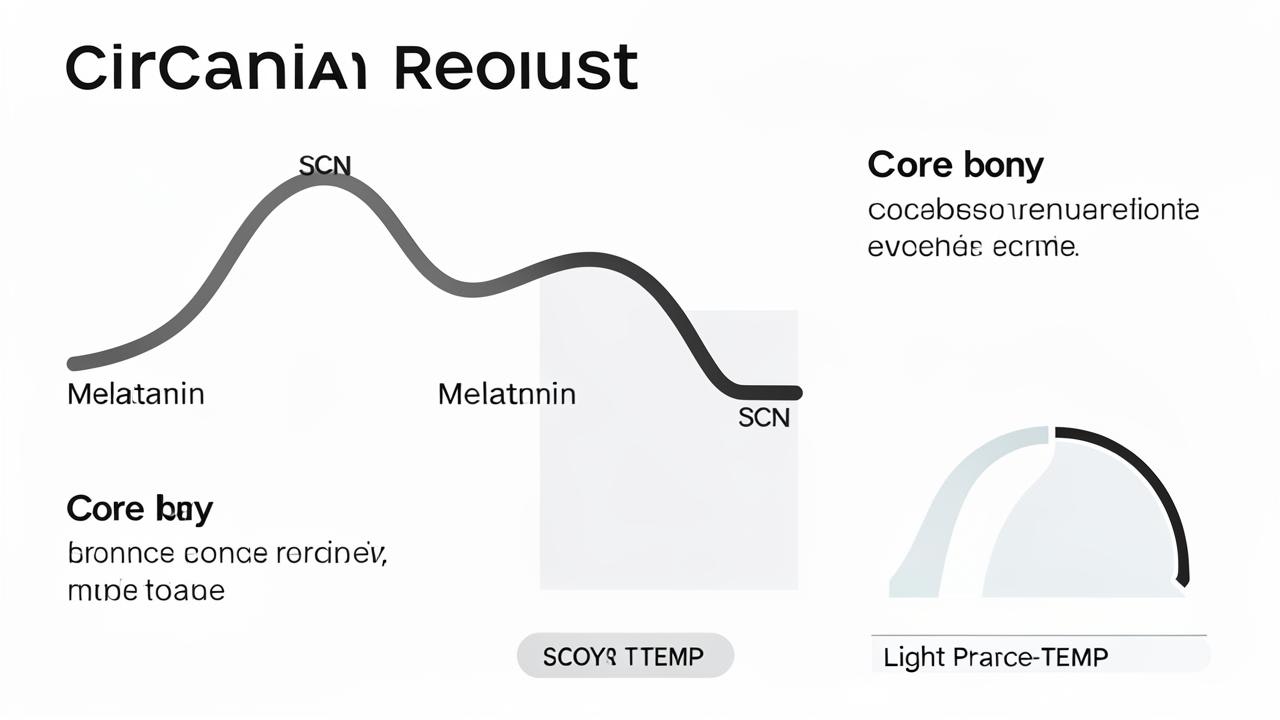
Picture this: you’re drowsy on the couch at 9:30 p.m., but once you lie down, your alertness ticks upward. That mismatch is the tell. Sleep isn’t just one system; it’s a negotiation between at least two—your sleep drive (how long you’ve been awake) and your circadian clock (the 24-hour rhythm that times alertness, body temperature, hormones, and melatonin). Layer in a third factor many of us underestimate: the brain’s capacity to disengage from cognitive and emotional loops.
In healthy sleepers, these rhythms align so that mental “letting go” is most likely when the circadian night deepens. In insomnia, the alignment frays. You can feel sleepy—and still mentally “on.” The result? You’re trapped between a tired body and a bright, busy mind.
What the new science actually shows
A team from the University of South Australia, Washington State University, and Flinders University tracked how people’s ability to “switch off” waxed and waned over 24 hours. Their 2025 paper in Sleep Medicine found those with insomnia didn’t follow the typical day–night pattern of cognitive and emotional unwinding. Translation: the mental brake that should press down in the evening doesn’t sync properly with the body’s clock.
Why does that matter? Because it nudges us away from one-size-fits-all advice. Behavioral strategies like standard sleep hygiene help, but if your internal timing is off—or your brain’s disengagement rhythm is blunted—you’ll need a more tailored plan. That’s exactly where the field is headed. An editorial from SLEEP Advances setting their 2026 priorities highlights two themes squarely on point: “Sleep and Circadian Mechanisms in Mental Health” and “AI, Machine Learning, and Data Science in Sleep and Circadian Rhythms.” Expect more precise protocols, better measures of circadian phase at home, and digital tools that adapt to your biology rather than the other way around.
There’s also the lived-world layer. At SLEEP 2025, researchers reported that among Black adults, everyday discrimination scores were linked with higher insomnia severity for women but not men—evidence that social stressors and sex differences shape how insomnia lands and how it should be treated. Personalized doesn’t just mean “what time you’re sleepy”; it means what your life throws at you and how your nervous system processes it.
Treat the clock and the chatter. Aligning circadian signals while training the mind to release grip is the modern insomnia playbook.
What this means for your evening routine
Most people have been there—scrolling in bed, promising “just one more reel,” and suddenly it’s midnight. Your clock reads blue light as daytime, your body heat is still up, and your brain thinks there are unfinished tasks everywhere. Small shifts can re-time the system and soften the mental noise.
Train the clock
- Get outside early. Aim for 15–30 minutes of outdoor light within two hours of waking. Morning light anchors your circadian clock and advances melatonin timing so it rises earlier at night.
- Dim the evening. Two to three hours before bed, drop lights to warm, low settings. Think lamps over overheads. Screen brightness down; night mode on.
- Mind meal timing. Big late dinners can nudge the clock later and disturb sleep. Try finishing the main meal 3+ hours before bed.
- Move smart. Regular exercise supports sleep. Many people handle late-afternoon workouts fine, but if late-night sessions rev you up, shift them earlier.
- Keep wake time steady. A consistent wake-up—weekends included—stabilizes circadian signals. It’s the single most powerful habit.
Quiet the mind
- Do a “brain dump.” 60–90 minutes before bed, write tomorrow’s tasks and a 3-step plan. Your brain stops rehearsing when it sees a roadmap.
- Schedule worry time. Set a 10-minute “problem slot” earlier in the evening. When worries pop up at night, remind yourself you’ve booked them for tomorrow.
- Wind-down, not knock-out. Create a 20–30 minute routine (shower, stretch, read fiction). Same order every night so your brain learns the sequence equals “off.”
- Stimulus control. If you’re awake in bed for ~20 minutes, get up. Low light, quiet activity. Return when sleepy. It retrains the bed–sleep link.
- Watch the helpers. Caffeine lingers 8–12 hours; alcohol fragments sleep and suppresses REM. Both can amplify middle-of-the-night wakefulness.

When to get help—and what works
If insomnia hits at least three nights a week for three months, or daytime function is taking a hit, it’s time to get support. Cognitive behavioral therapy for insomnia (CBT‑I) is the first-line treatment recommended by major sleep societies and internal medicine groups; it targets both hyperarousal and timing with structured tools like sleep restriction, stimulus control, and cognitive reframing. It’s effective and durable—often more so than medications for long-term outcomes.
Can you DIY? Increasingly, yes. Brief CBT‑I programs (four to six sessions) or high-quality digital CBT‑I platforms can help when access is limited. That said, a skilled clinician personalizes the plan—especially if your schedule, health conditions, or stress load make standard protocols tricky.
What about melatonin and light therapy? For some circadian issues—like delayed sleep phase (you naturally fall asleep very late)—a carefully timed low-dose melatonin (often 0.3–1 mg taken several hours before your usual bedtime) combined with consistent morning light can shift the clock earlier. Timing is everything; taking melatonin at the wrong time can backfire, so discuss with a clinician trained in circadian medicine.
Don’t ignore look‑alikes. Loud snoring, gasping, morning headaches, or relentless daytime sleepiness point to sleep apnea. Uncomfortable leg urges in the evening suggest restless legs syndrome. Persistent low mood or anxiety can lock insomnia in place. In these cases, the fix isn’t just sleep tactics—it’s treating the underlying condition alongside CBT‑I.
And remember context. If your insomnia escalates during periods of discrimination, caregiving strain, shift work, or perimenopause, the plan should reflect that reality. The most effective care meets your biology and your biography.
Actionable takeaway
- Morning outdoor light anchors your clock; dim, warm evening light lets melatonin rise.
- Keep a consistent wake time; your bedtime will fall into place as sleep pressure builds.
- Use a 20–30 minute wind-down routine and reserve the bed for sleep and intimacy only.
- Offload thoughts with a written plan; schedule “worry time” away from the pillow.
- Limit caffeine after late morning; skip nightcaps—they fragment sleep.
- Consider CBT‑I (in person or digital) if insomnia persists; ask about circadian timing tools.
- Seek evaluation for snoring, leg discomfort, or mood symptoms that ride with sleeplessness.
What’s surprising is how powerful small, well‑timed changes can be when they work with—not against—your rhythms. You don’t have to force sleep. You invite it. Align the clock, train the mind to loosen its grip, and the nights start to soften. That’s a win you’ll feel by breakfast.