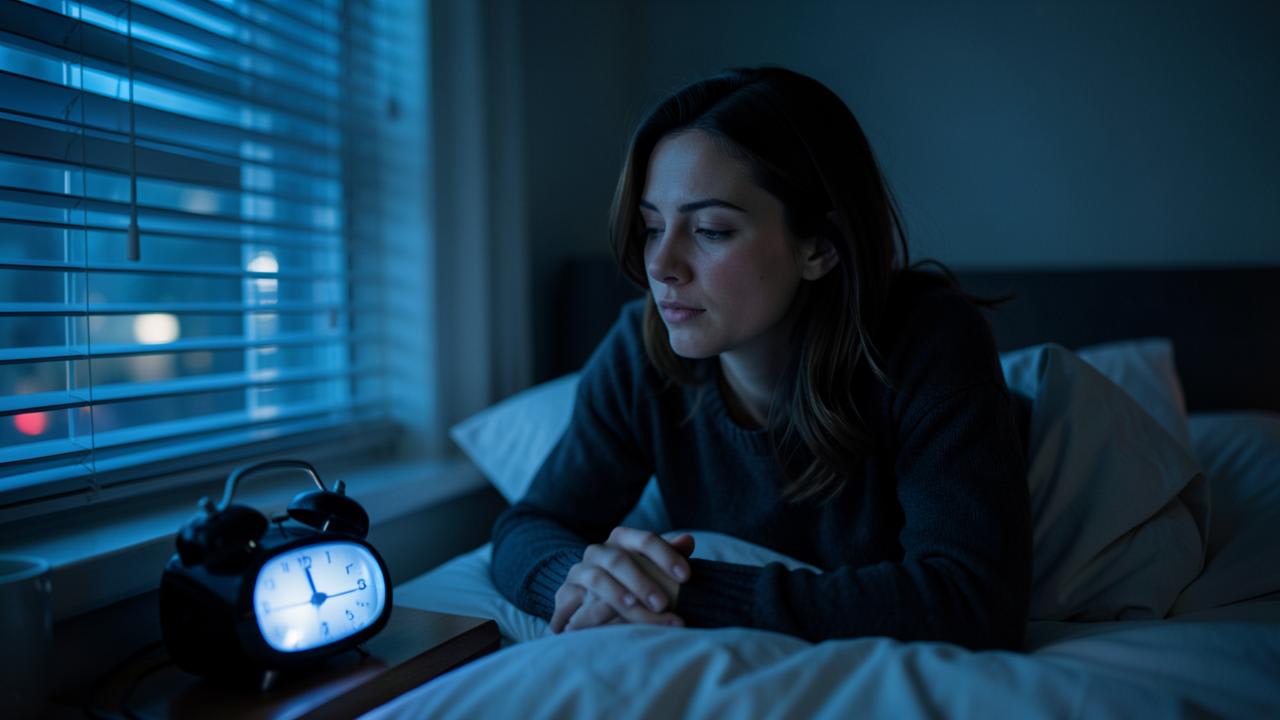
You know that feeling when your body is exhausted but your mind is pacing the hallway? The lights are off, the house is quiet, and your thoughts keep jogging laps. It’s not just “bad sleep hygiene.” New research points to something more fundamental: your brain’s internal clock isn’t sending a strong enough “power down” signal.
Across 2025–2026, circadian science has gotten sharper about insomnia. A University of South Australia team reported that in insomnia, the brain’s usual nighttime disengagement is blunted and delayed—likely a rhythm issue, not simply anxiety. And at SLEEP 2025, researchers showed how the timing of light, sleep opportunities, and even meals can either protect your cognition when sleep is short or quietly sabotage it when your schedule drifts. So what does that actually mean for your Tuesday morning—and your 3 a.m. mind?
The Clock In Your Head, Explained
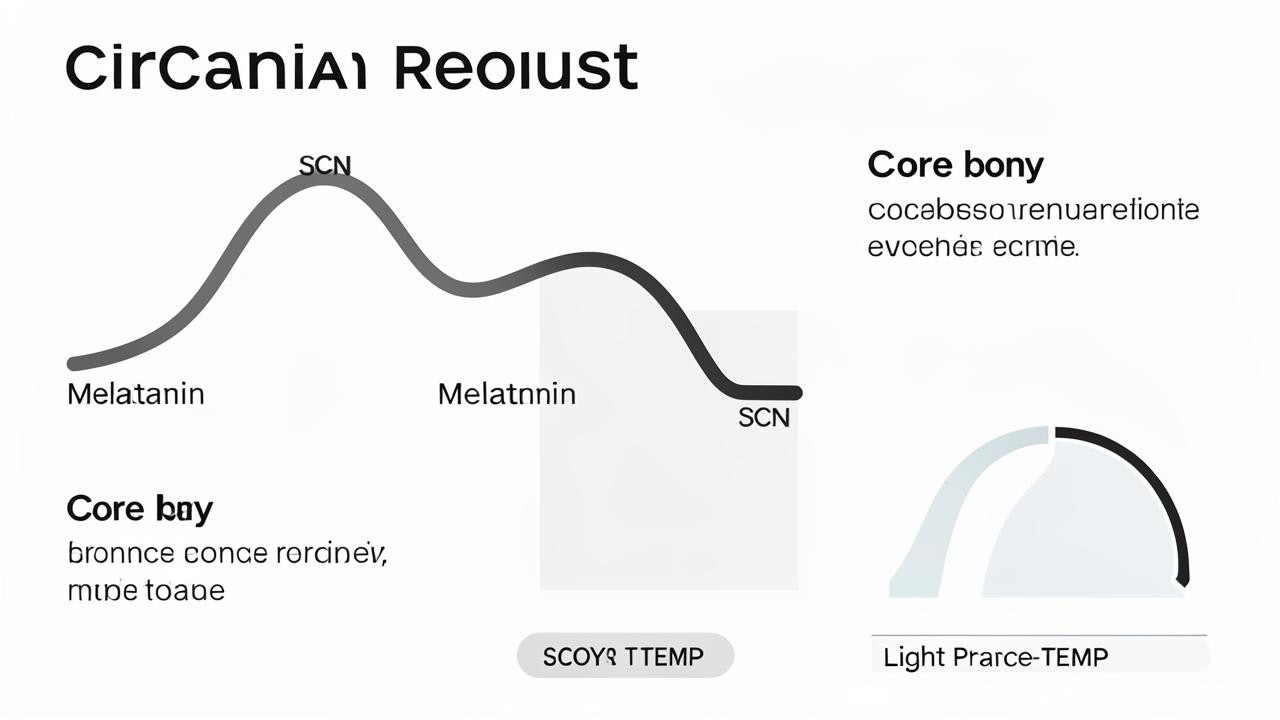
Picture this: a tiny pacemaker deep in your brain—the suprachiasmatic nucleus (SCN)—keeps roughly 24-hour time. It syncs to light, nudges hormones, and choreographs temperature, alertness, and sleep pressure. In the evening, melatonin rises; temperature drifts down; brain networks shift from outward focus to an inward, sleepy mode. When that dance is in rhythm, you fall asleep without much drama.
But if the timing is off, the “quiet the mind” cue arrives late or weak. A 2025 report from UniSA described exactly that: in people with insomnia, the normal nightly downshift in mental activity is dulled and delayed, likely due to circadian abnormalities. Their advice wasn’t exotic—strengthen the clock with timed light and consistent daily anchors; add mindfulness to help the brain disengage faster. It sounds simple. The physiology behind it isn’t, but your levers are surprisingly practical.
Misalignment Wrecks Mood, Focus, and Sleep
Most people have been there—cramming late, up early, then somehow wired at night. Misalign your clock for a few days and you feel it: grumpier, foggier, more distractible. The science backs that up. Abstracts presented at SLEEP 2025 highlighted how circadian phase—the internal timing of your alertness and sleepiness—directly shapes cognitive performance. One group reported a “circadian rescue effect”: during your biological peak, the brain temporarily buffers some of the harm from sleep loss. Another analysis in young adults found that placing restricted sleep opportunities later in the morning preserved objective performance across several days—suggesting the clock’s afternoon/early-evening promotion of wakefulness can steady you, at least for a while.
Here’s the thing: you can’t bank on that rescue indefinitely. Those results help us understand why some shift workers or students hold it together—until they don’t. And the fallout isn’t just focus. A 2025 meta-analysis in Sleep Advances estimated high rates of insomnia symptoms among university students globally; other 2025 work from the University of Miami underscored that stressors like everyday discrimination associate with greater insomnia severity for Black women (but not men), pointing to lived experience shaping the physiology of sleep. Circadian science is inching toward personalized sleep medicine—because bodies, schedules, and stress loads differ.
You can’t out-hustle biology—timing beats willpower. Use your clock’s strengths in the day, and protect its night.
Light, Meals, and Routines: Your Daily Levers
Because timing is the language of your clock, everyday cues—light, food, activity—are your verbs. And they’re potent. If you wake up and look at a bright screen in a dark room, your clock barely notices. Step into real daylight within an hour of waking? Different story. If you eat heavy meals at 10 p.m., you tug peripheral clocks toward “day” while your brain is trying to say “night.” Not exactly a recipe for drift-free sleep.
A 2025 roundup from Miami’s sleep research group spotlighted meal timing as a circadian tool and hinted at how metabolism and sleep architecture interact in older adults—including how lipid profiles may shape cognitive outcomes related to sleep. The takeaway: the when matters as much as the what. You don’t need to micromanage, but aligning the bulk of calories earlier and giving yourself a 2–3 hour buffer before bed helps keep clocks in sync.
Morning: lock in your anchor
Picture this routine: you wake at a consistent time (yes, even on weekends, within an hour), step outside for 10–20 minutes of daylight (more if it’s overcast), hydrate, then eat a protein-forward breakfast. That light hits melanopsin-containing cells in your eyes and stamps your internal “day zero.” It also starts the timer that nudges melatonin 14–16 hours later.
Afternoon: ride the natural peak
Your circadian system promotes alertness in the afternoon. Use it. Book cognitively heavy work then. If you nap, keep it short (10–20 minutes) and early (before 3 p.m.) so you don’t steal sleep pressure from the night.
Evening: turn down the volume
Two hours before bed, dim overhead lights, switch to warm bulbs, and cap screens or use strict dimming/night modes. Eat earlier, keep late snacks light, and save intense debates—or intense squats—for tomorrow. Most people have been there: a “quick” 9 p.m. workout or email sprint, and suddenly midnight feels like noon. That’s your clock reading your cues.

Mindfulness Isn’t Fluff—It’s Circuit Training
What’s surprising is how quickly a fidgety mind can “learn” to quiet down with practice. A 2025 trial protocol (MindMInC) was designed to test a digital mindfulness program for older adults with insomnia, mood, and cognition concerns. Why that combo? Because attention control and emotional regulation share brain networks with sleep initiation. When you practice noticing thoughts without chasing them, you’re training the same circuits you need at 2 a.m. to not take the bait.
Try this scenario tonight: you wake at 3:17. Instead of wrestling your thoughts, you label them—“planning,” “worrying,” “replaying”—then come back to a slow count with your exhale. If you’re up after ~20 minutes, get out of bed; keep lights low; read something gently boring until sleepiness returns. It’s stimulus control, a core element of cognitive behavioral therapy for insomnia (CBT‑I). And if you share a bed, rhythms matter as a pair. A 2025 observational project (CHARMS) is tracking how older couples’ sleep and biobehavioral rhythms sync or clash. Translation: a partner’s late-night news scroll can be your insomnia trigger—negotiate the light and device rules together.
Actionable Takeaway: A 7‑Day Circadian Reset
- Pick a fixed wake time you can keep for 7 days. Protect it like a flight.
- Get 10–20 minutes of outdoor light within an hour of waking; 30–45 minutes if it’s cloudy.
- Anchor meals: breakfast within 2 hours of waking, main meal midday/early evening; no heavy food 2–3 hours before bed.
- Move daily—preferably outdoors. Keep vigorous exercise earlier; do gentle mobility at night.
- Power down: 90 minutes pre‑bed, dim lights and screens; set devices to warm, low brightness or park them outside the bedroom.
- Mindfulness “reps”: 5 minutes mid‑afternoon and 5 minutes at lights‑out (body scan or paced breathing).
- Middle‑of‑the‑night plan: if awake >20 minutes, leave bed, low light, quiet reading. Return only when drowsy.
If you work shifts or manage caregiving nights, different tactics apply—lean on bright light timed to your “morning,” blue‑blocking eyewear before your “night,” and consistent anchors on your off‑days. If discrimination, chronic stress, or medical conditions are in the picture, tailored support matters. The Miller School team’s 2025 findings suggest experiences aren’t identical across gender or communities, and neither should solutions be.
When to get help: If insomnia lasts 3 nights a week for 3 months or more, or it’s eroding your mood, focus, or health, ask your clinician about CBT‑I—first‑line treatment with strong evidence. Short‑term medication can have a role, but rebuilding timing and behaviors is what tends to stick.
The real kicker? Your biology wants to help you. Give your clock regular cues, and it will do the heavy lifting—quieting your mind at night and sharpening it by day. That’s not a hack; it’s how you’re built.